ARCOmadrid 2026
Booth 9C16
Pav. 9, Ifema, Madrid
4 – 8 March 2026
Ana Vieira
Alexandre Farto aka Vhils
Carlos Bunga
Céline Condorelli
Daniel Blaufuks
Ignasi Aballí
João Louro
Susanne S. D. Themlitz
ANA VIEIRA
Ana Vieira was born in Coimbra in 1940, spent her childhood and early years on the island of São Miguel in the Azores, and lived most of her adult life in Lisbon, where she died in 2016. She graduated in Painting from the School of Fine Arts (1966) and was awarded the AICA Prize in 1991.
Ana Vieira started exhibiting her work regularly in the late 1960s and established herself as one of the key figures of Portuguese contemporary art in the decades that followed. Anchored in a critical thinking and an artistic language that explores the limits and the traditional supports of art, particularly painting and sculpture, her practice aligns with the conceptual art movement and is markedly influenced by the exploration of everyday objects, spaces, and situations. Often in the form of installations, Vieira plays with representations of passages, half-spaces and transparencies, creating hybrid territories simultaneously visible and inaccessible, welcoming and hostile. These scenic creations allow for different possibilities for the experiencing of objects, freeing them from their function and inscribing them in a poetic dimension that lies between allegory and simulacrum.
Ana Vieira’s work is held in the collections of the Calouste Gulbenkian Foundation – Modern Art Center (CAM), Serralves Museum, Culturgest, the State Contemporary Art Collection (CACE), the Contemporary Art Museum – Belém Cultural Center (MAC/CCB), the EDP Foundation, the Carmona e Costa Foundation, and the Musée Cantonal des Beaux-Arts, among others.
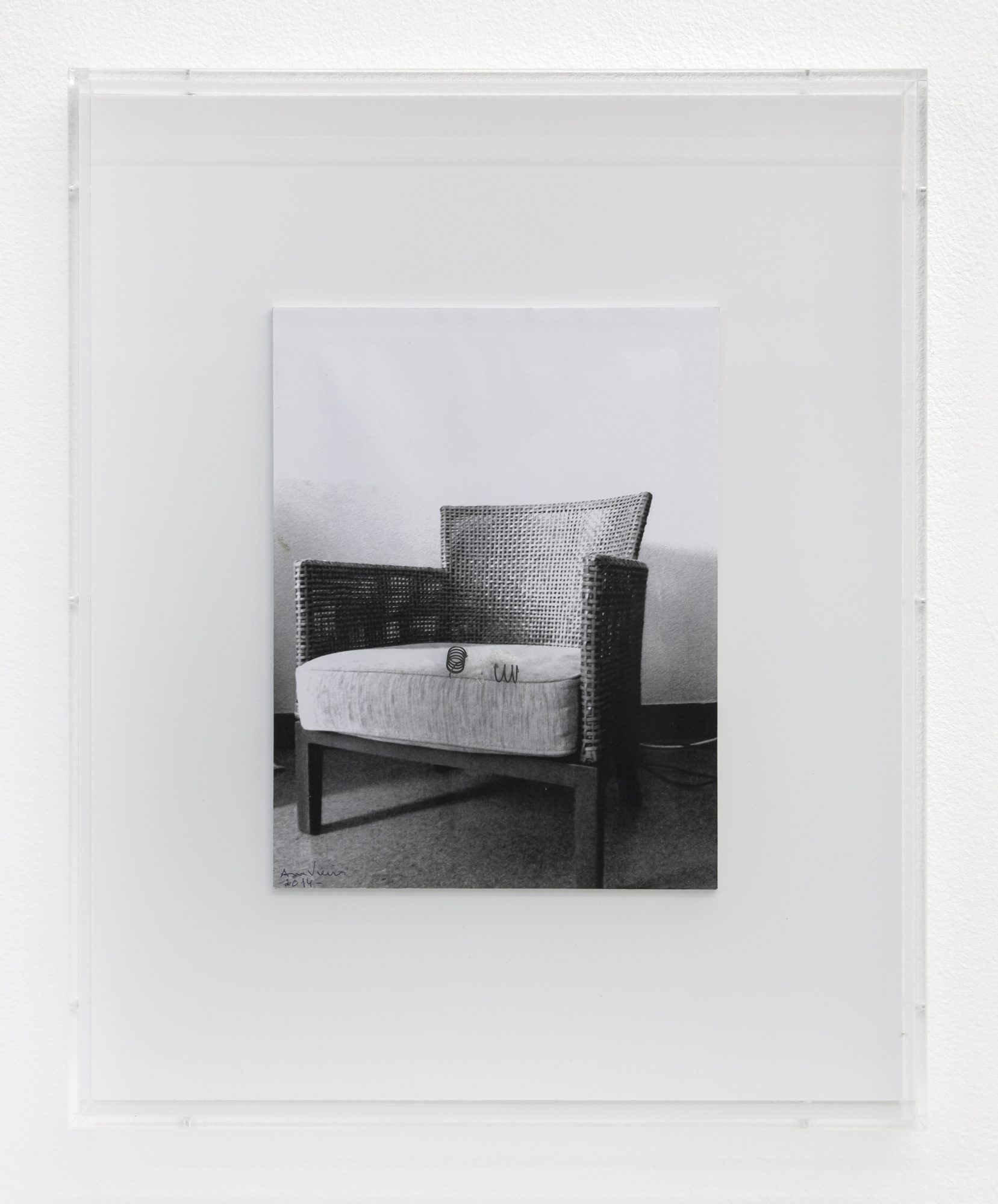
Ana Vieira, Os Móveis a Fugirem do seu Desígnio (13), 2014. Intervened photograph. 47 x 38 x 6 cm. Unique
Enquire
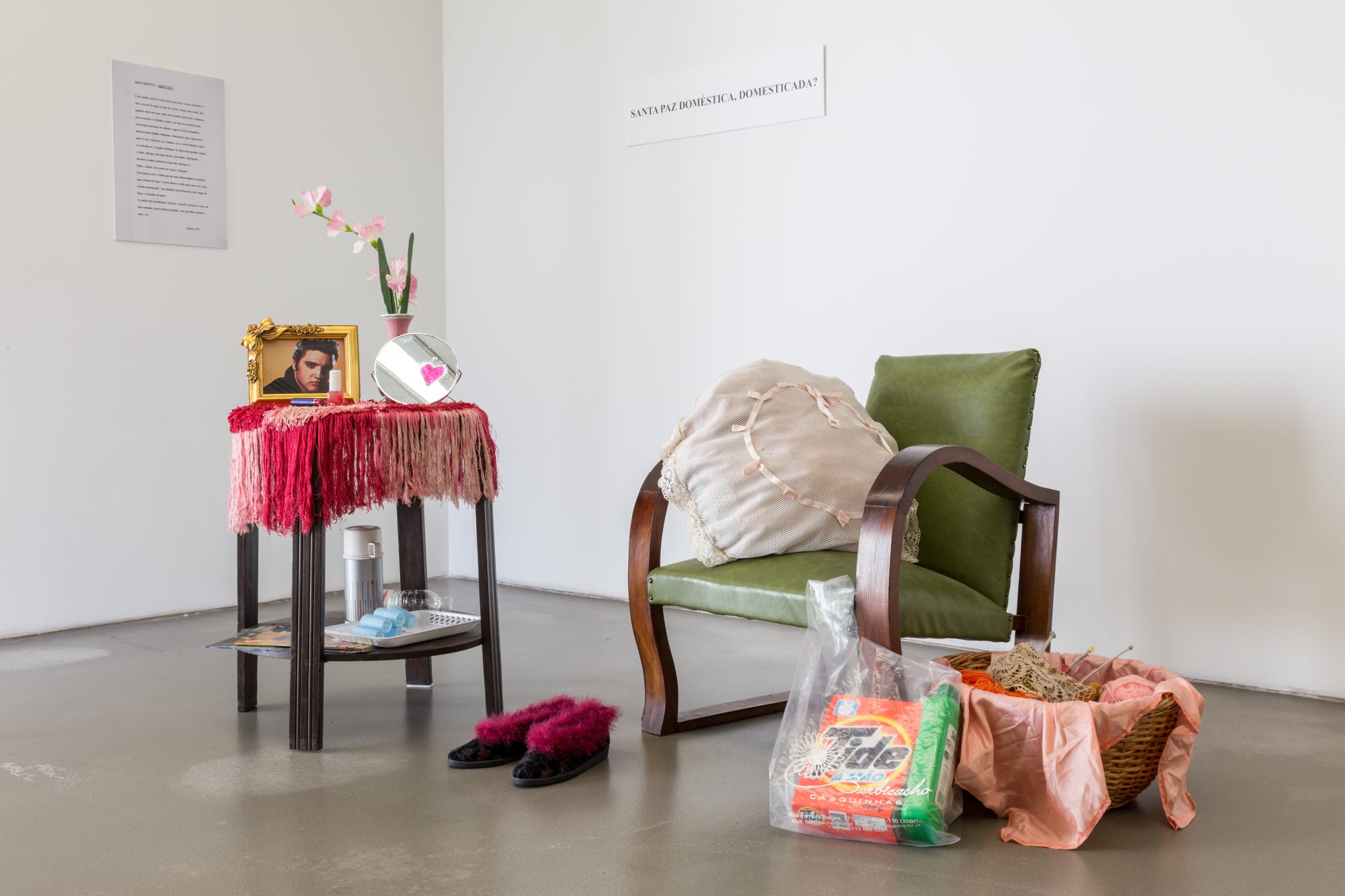
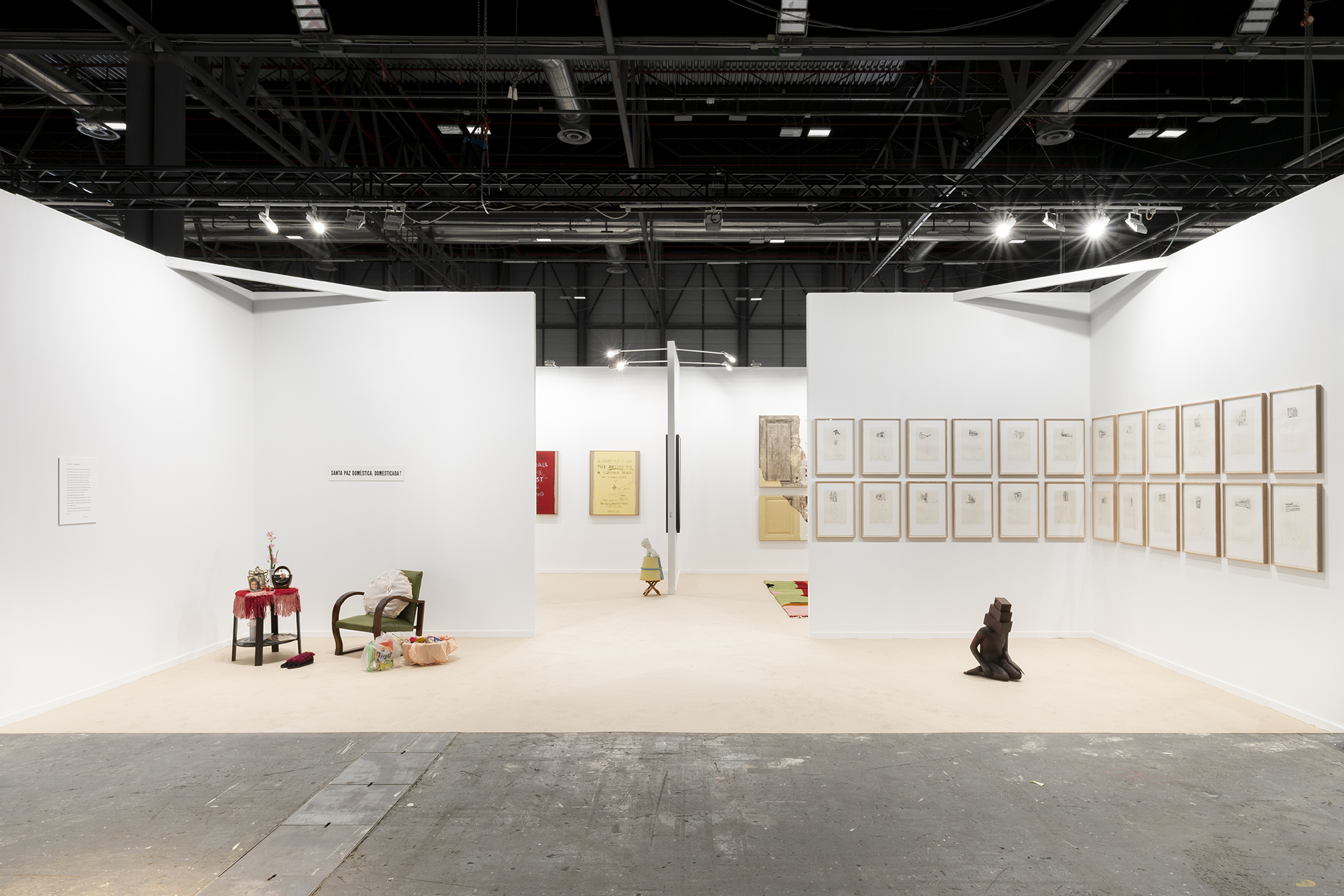
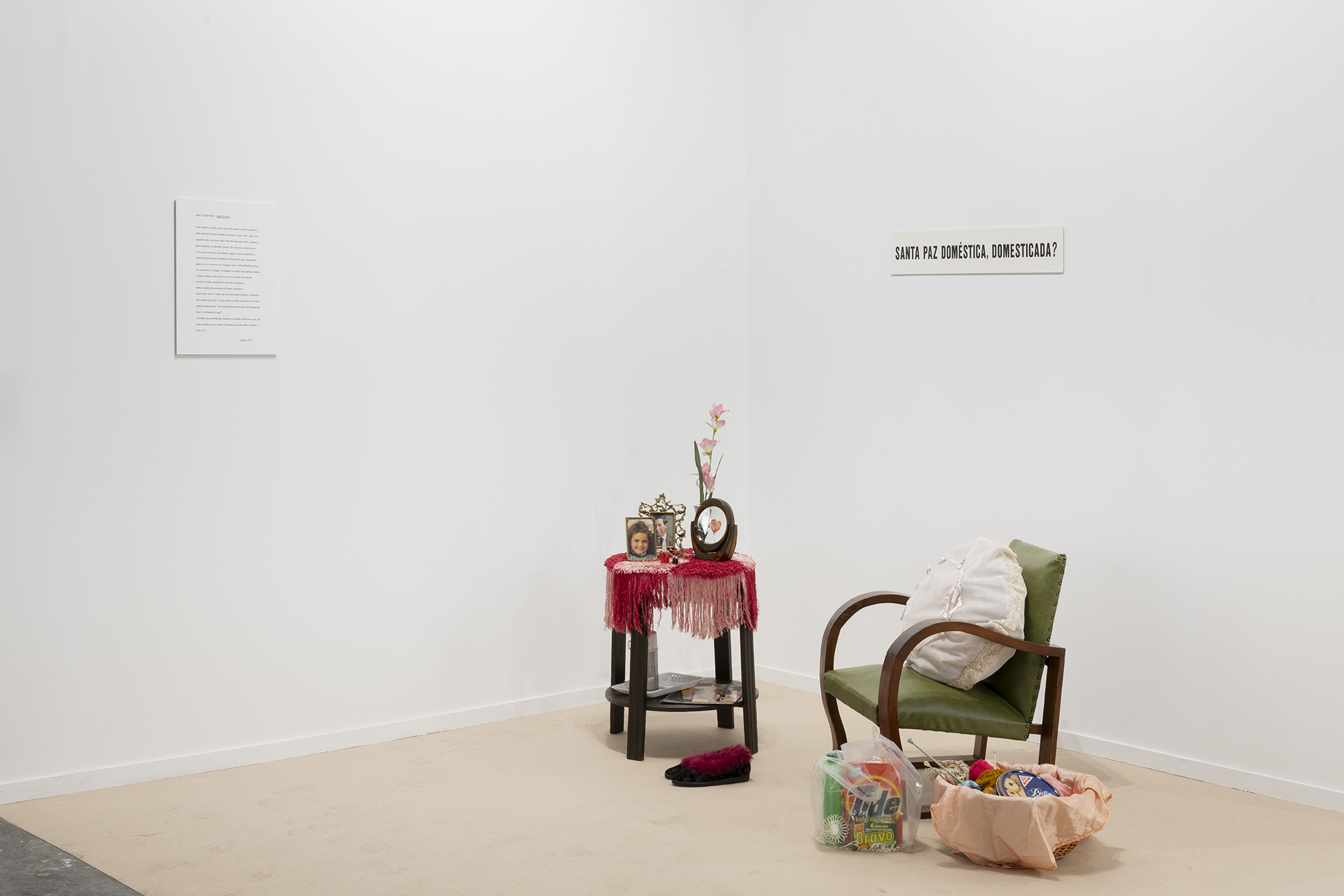
Ana Vieira, Santa Paz Doméstica, Domesticada?, 1977. Table and support, armchair, and various objects. Variable dimensions.
Enquire


Ana Vieira, Santa Paz Doméstica, Domesticada? (details), 1977. Table and support, armchair, and various objects. Variable dimensions
Enquire
In Santa Paz Doméstica, Domesticada?, nothing seems out of place. There is no noise.
The composition is sustained by a rigorous economy that brings the space closer to the idea of normality. The domestic ceases to be a setting and asserts itself as a structure: a system that precedes and shapes those who inhabit it.
The absence of the body is not a lack, but a method. It is implied in the space, inscribed in the scale, in the intended use, in the silent repetition of the gestures that would take place there. It is an educated body, adapted, made invisible by the efficiency of the organization.
Everything appears natural, inevitable, pacified. But this neutrality is constructed. Visual tranquility does not eliminate conflict; it renders it unspeakable.
The title introduces a decisive fissure. “Domestic peace,” invested with moral value, reveals itself to be “domesticated”: the result of a process, of training, of continuous adaptation.
Created at a time of political transformation, the work dispels the idea that change takes place in a homogeneous way. Inside the house, history moves more slowly. It is there that Ana Vieira fixes her gaze to expose, with precision, the silent grammar of power.
Antonia Gaeta
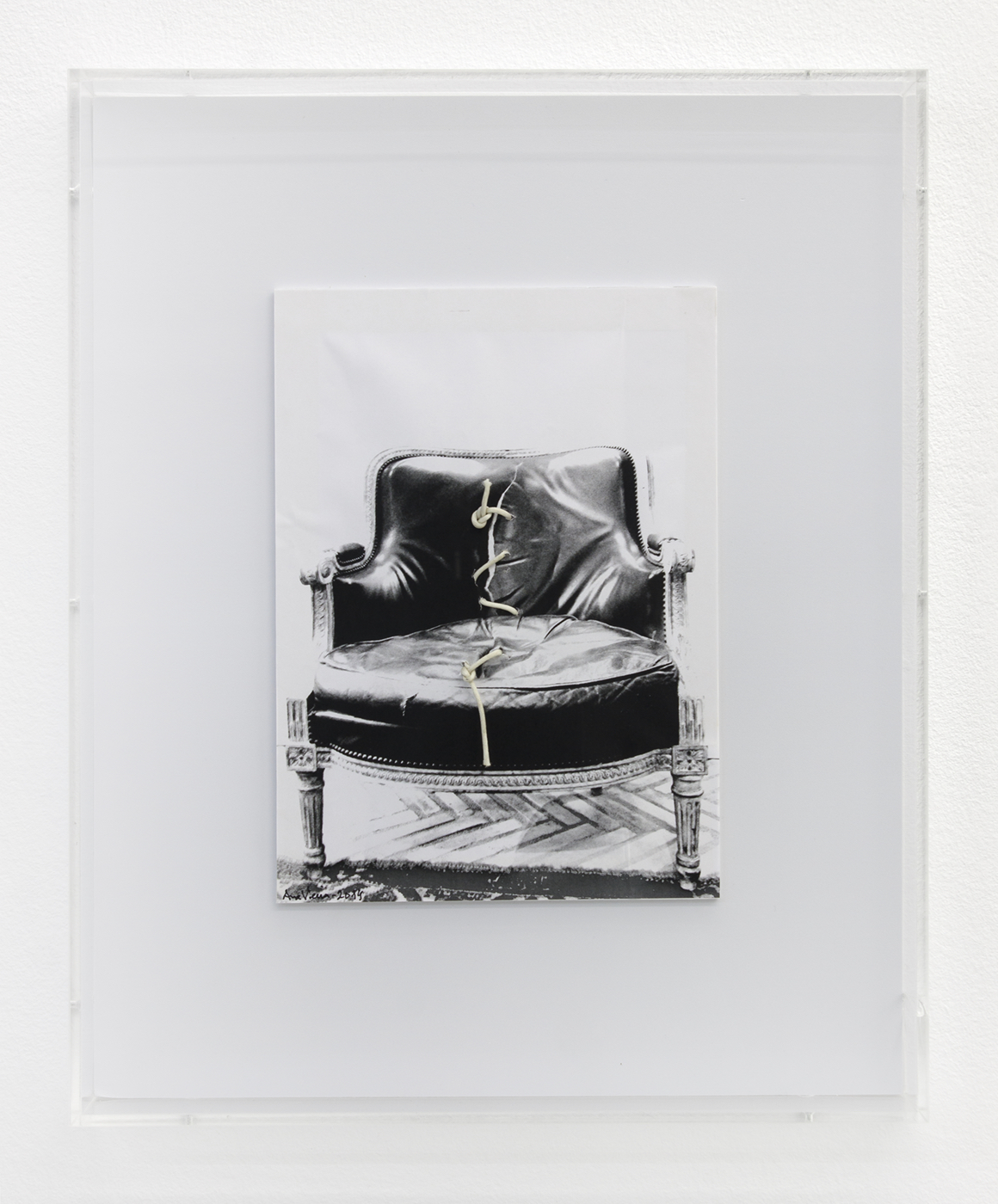
Ana Vieira, Os Móveis a Fugirem do seu Desígnio (9), 2014. Intervened photograph. 46 x 36,5 x 5,5 cm. Unique
Enquire
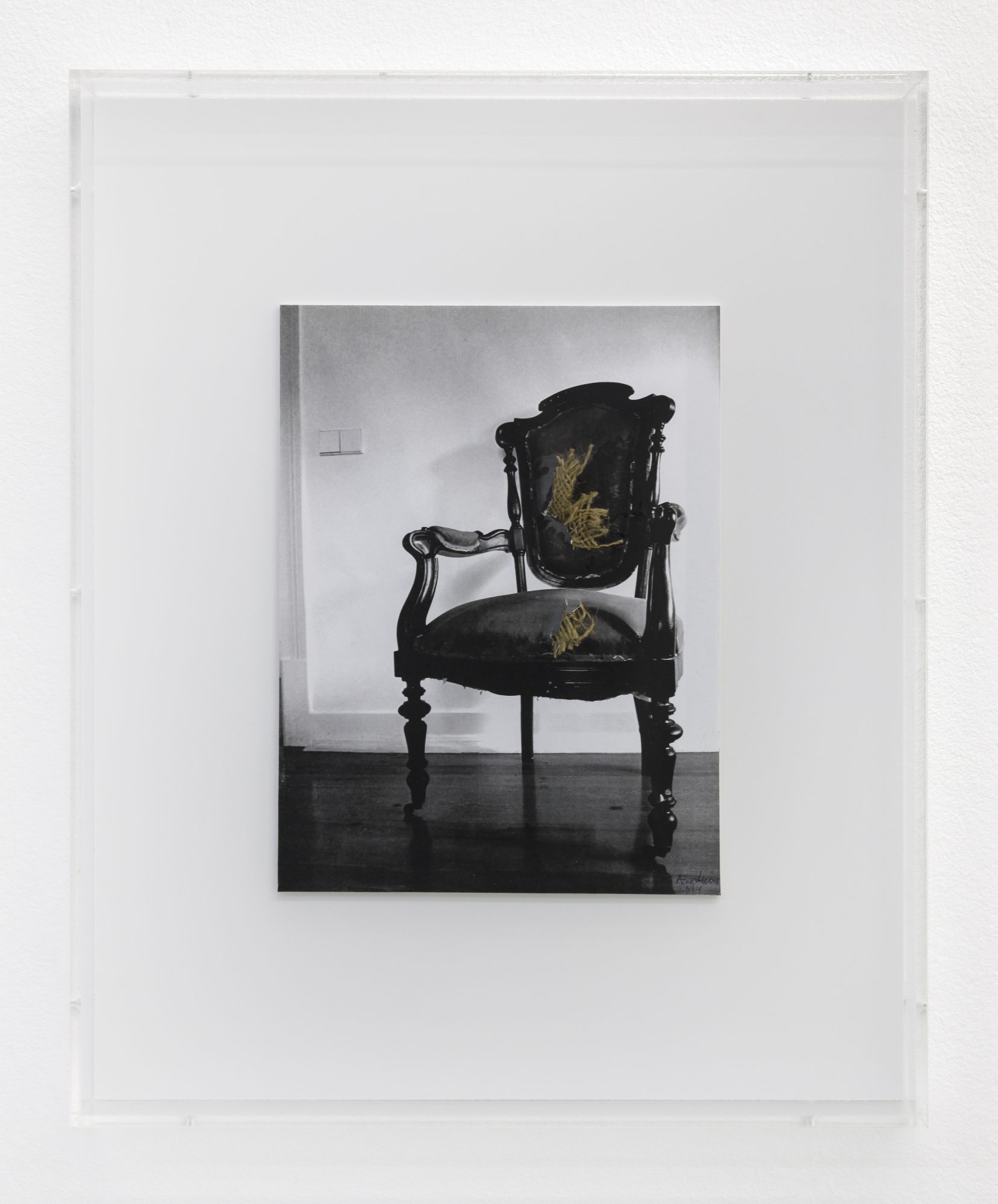
Ana Vieira, Os Móveis a Fugirem do seu Desígnio (12), 2014. Intervened photograph. 46 x 36,5 x 5,5 cm. Unique
Enquire

Ana Vieira, Os Móveis a Fugirem do seu Desígnio (10), 2014. Intervened photograph. 46 x 36,5 x 5,5 cm. Unique
Enquire
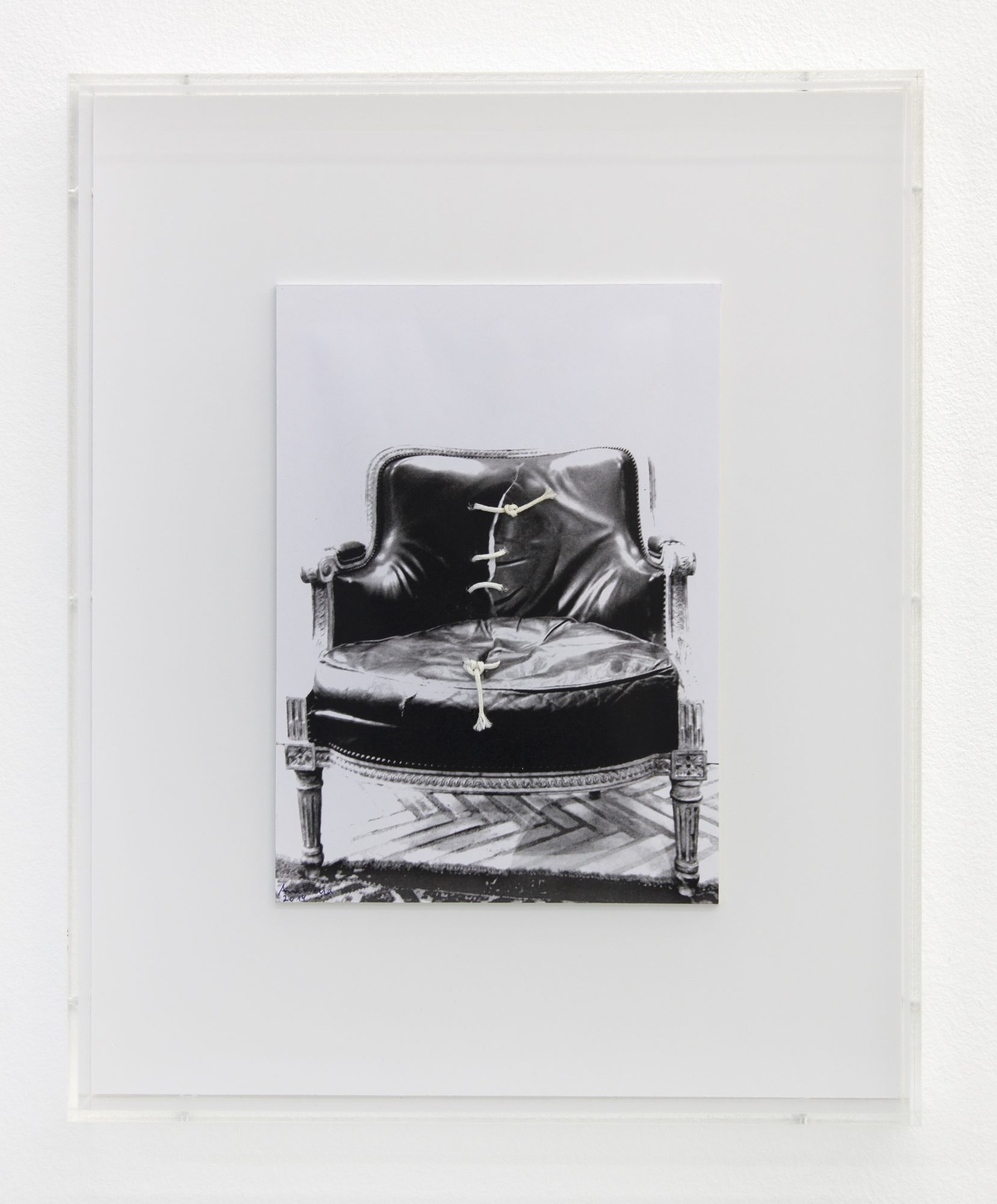
Ana Vieira, Os Móveis a Fugirem do seu Desígnio (15), 2014. Intervened photograph. 47 x 38 x 6 cm. Unique
Enquire
Scientific Advisory Board for the Study of the Estate of Ana Vieira: Antonia Gaeta, Astrid Suzano and Sofia Gomes.
ALEXANDRE FARTO AKA VHILS
Portuguese artist Alexandre Farto aka Vhils (b. 1987) has developed a unique visual language based on the removal of the surface layers of walls and other media with non-conventional tools and techniques. He began interacting with the urban environment through the practice of graffiti in the early 2000s. Peeling back the layers of our material culture like a modern-day urban archaeologist, Vhils reflects on the impact of urbanity, development and global homogenisation on landscapes and people’s identities. Destroying to create, he delivers powerful and poetic visual statements from materials the city rejects, humanising depressed areas with his poignant large-scale portraits.
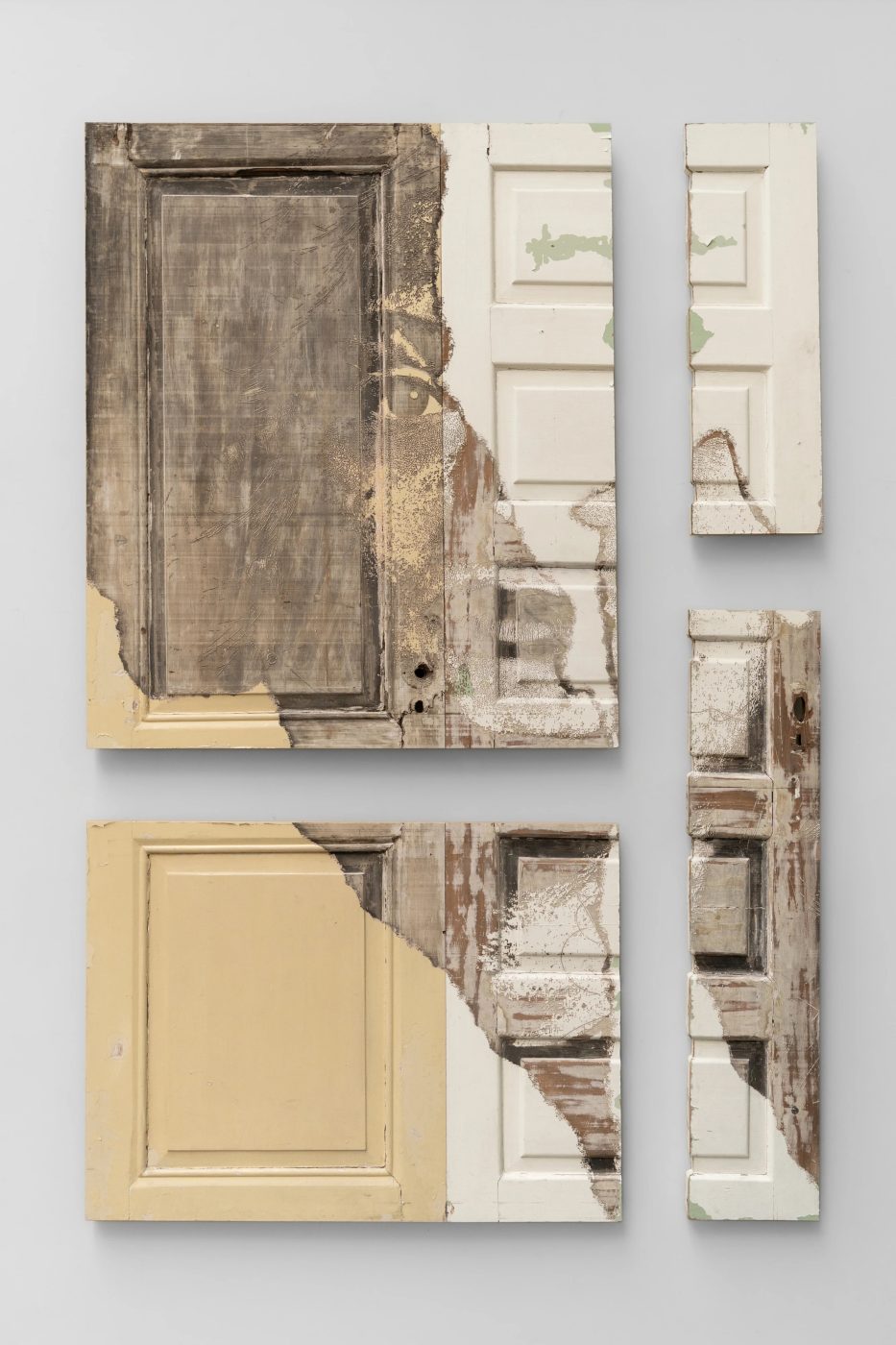
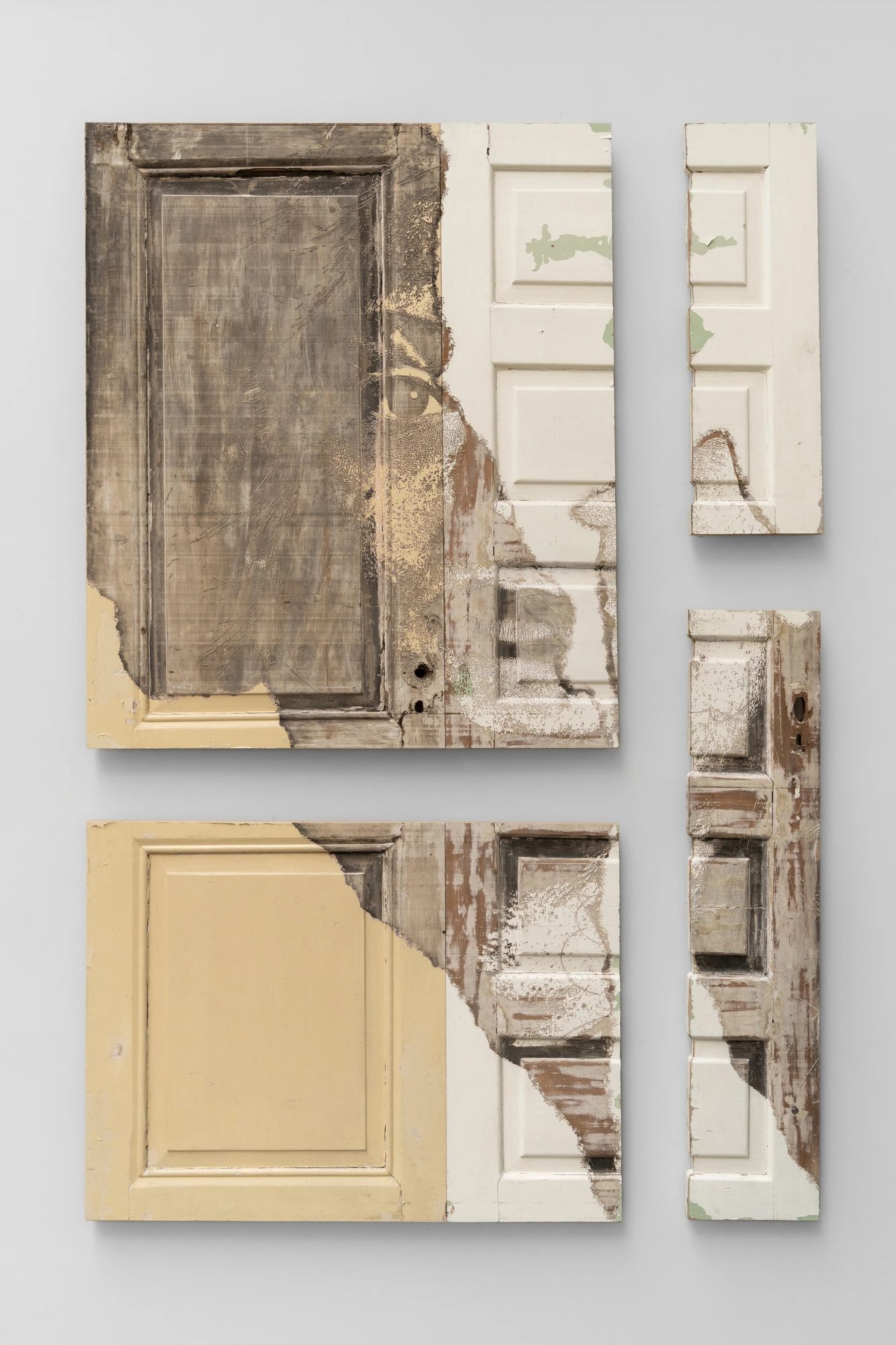
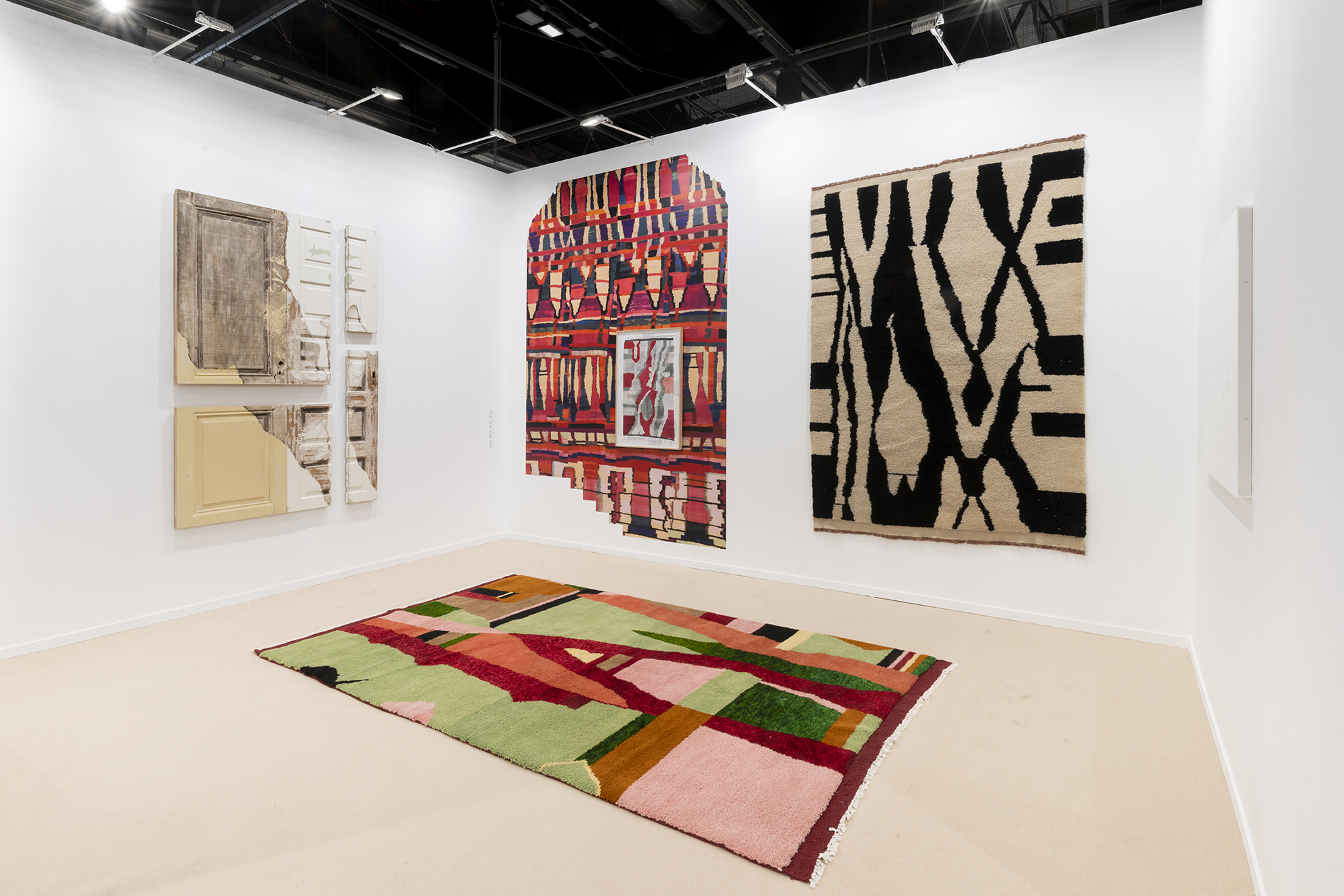
Alexandre Farto aka Vhils, Fenda Series #02, 2025. Laser engraved old wooden door. 214 x 140 x 3,5 cm. Unique.
Enquire
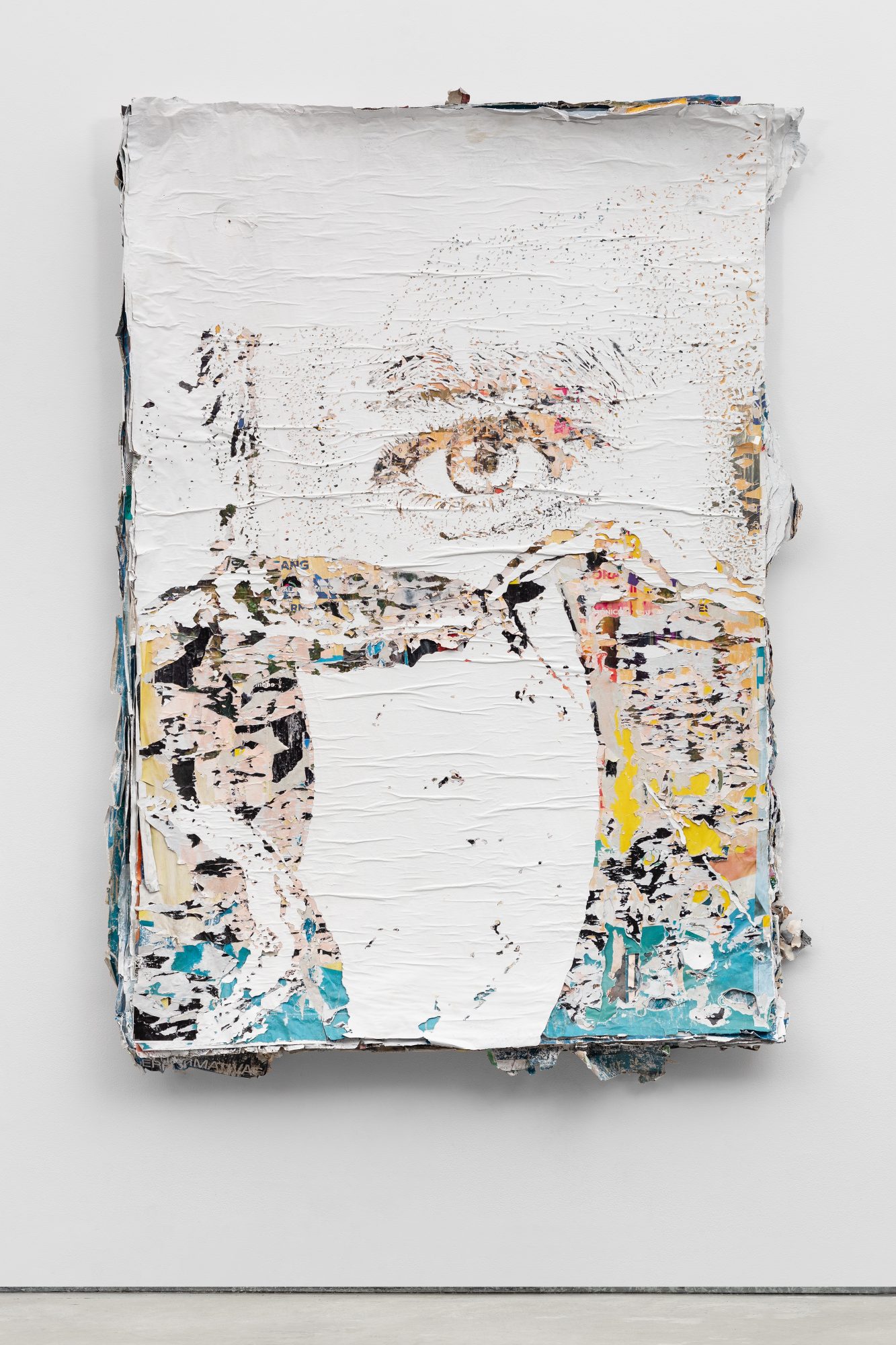
Alexandre Farto aka Vhils, Contemplate Series #07, 2022. Hand-carved advertising poster. 196 x 162 x 7 cm. Unique
Enquire

Alexandre Farto aka Vhils, Blinder Series #05, 2024. Die-cut blinds and tubular lights. 170 x 120 x 12 cm. © Alexander Silva
Enquire
Alexandre Farto aka Vhils
Diafragma, 2025
CARLOS BUNGA
Carlos Bunga (b. 1976 Porto) attended the Escola Superior de Arte e Design in Caldas da Rainha, in Portugal. He currently lives and works near Barcelona.
He creates process-oriented works in various formats: sculptures, paintings, drawings, performances, video, and above all in situ installations, that refer to and intervene in their immediate architectural surroundings. While often using ordinary, unassuming materials such as packing cardboard and adhesive tape, Bunga’s work involves a highly developed degree of aesthetic care and delicacy, as well as a conceptual complexity derived from the inter-relationship between doing and undoing, between unmaking and remaking, between the micro and the macro, between investigation and conclusion.

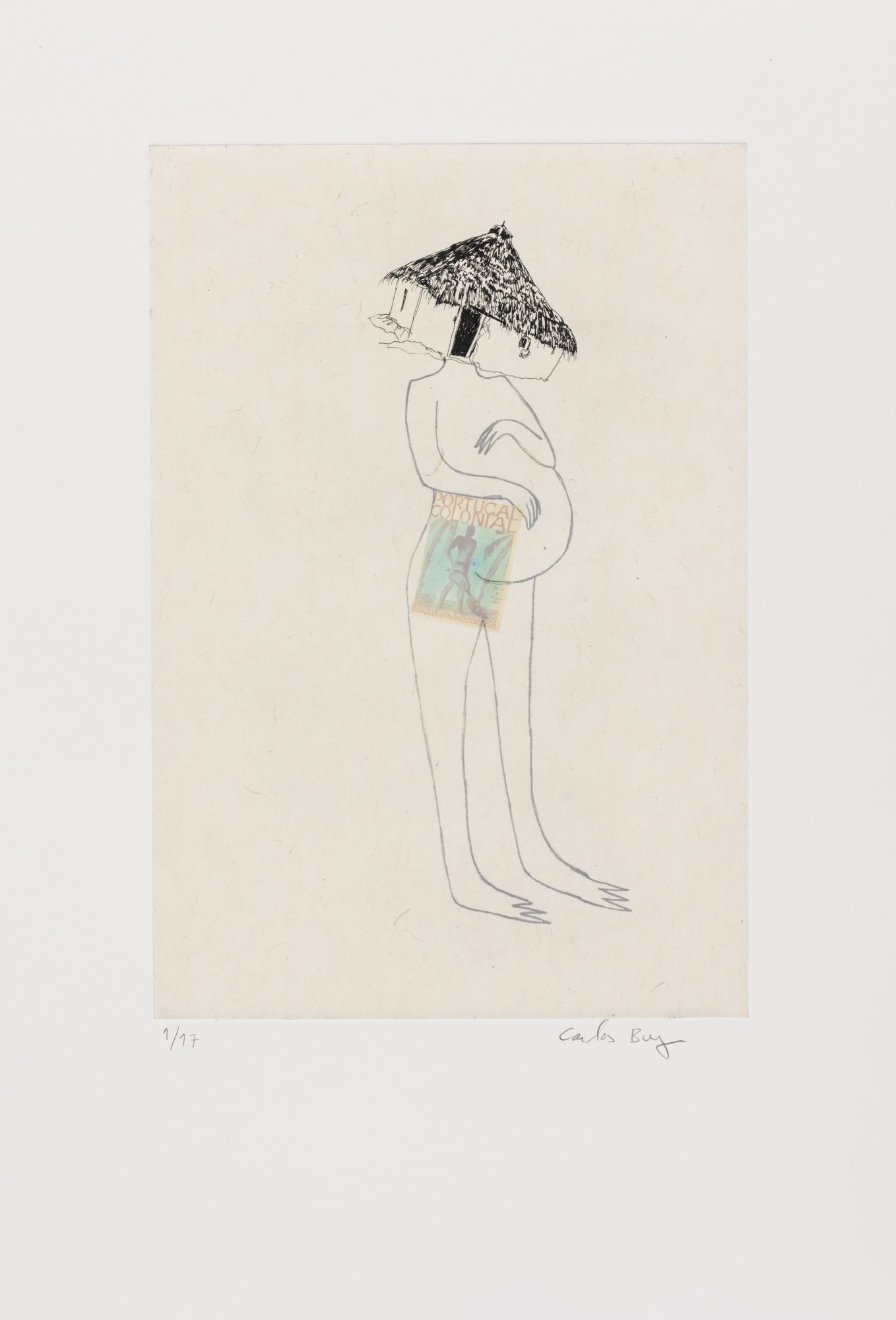
Carlos Bunga, A minha mãe, 1975, 2025. Photogravure on Hahnemühle 300 g paper, with Chine-collé application on Japan Gampi 40 g paper. 59,5 x 42 x 3 cm (framed). Ed. 17
Enquire

Carlos Bunga, Nómada, jugando a pensar, 2025. Wood. 71 x 45 x 51 cm. Ed. 3
Enquire
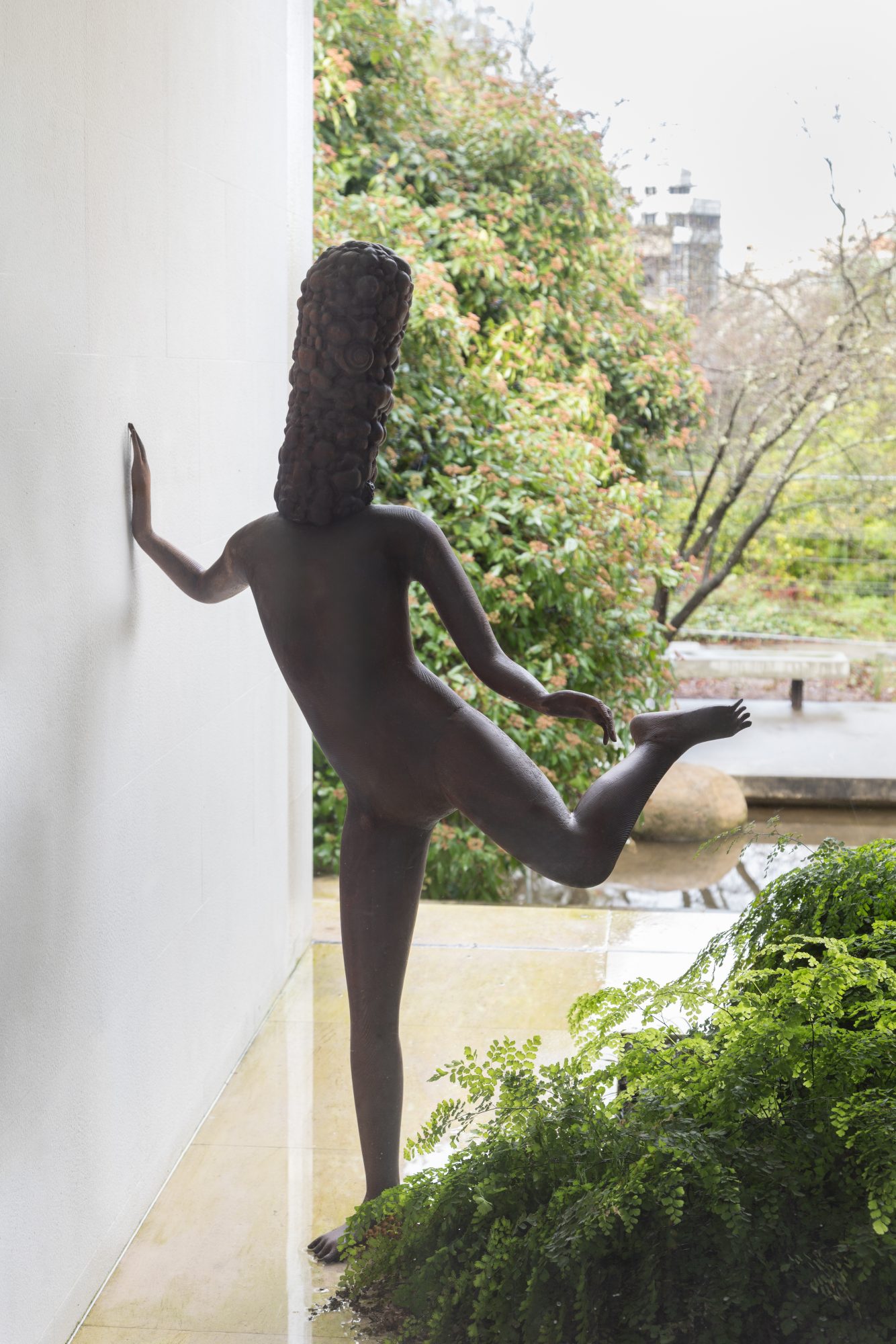
Carlos Bunga, Nómada. Caddis fly, 2025. Wood. 144,5 x 46,5 x 90,5 cm. Ed. 3
Enquire
Current solo exhibition
Carlos Bunga
Inhabit the Contradiction
Centro de Arte Moderna Gulbenkian, 2025-2026
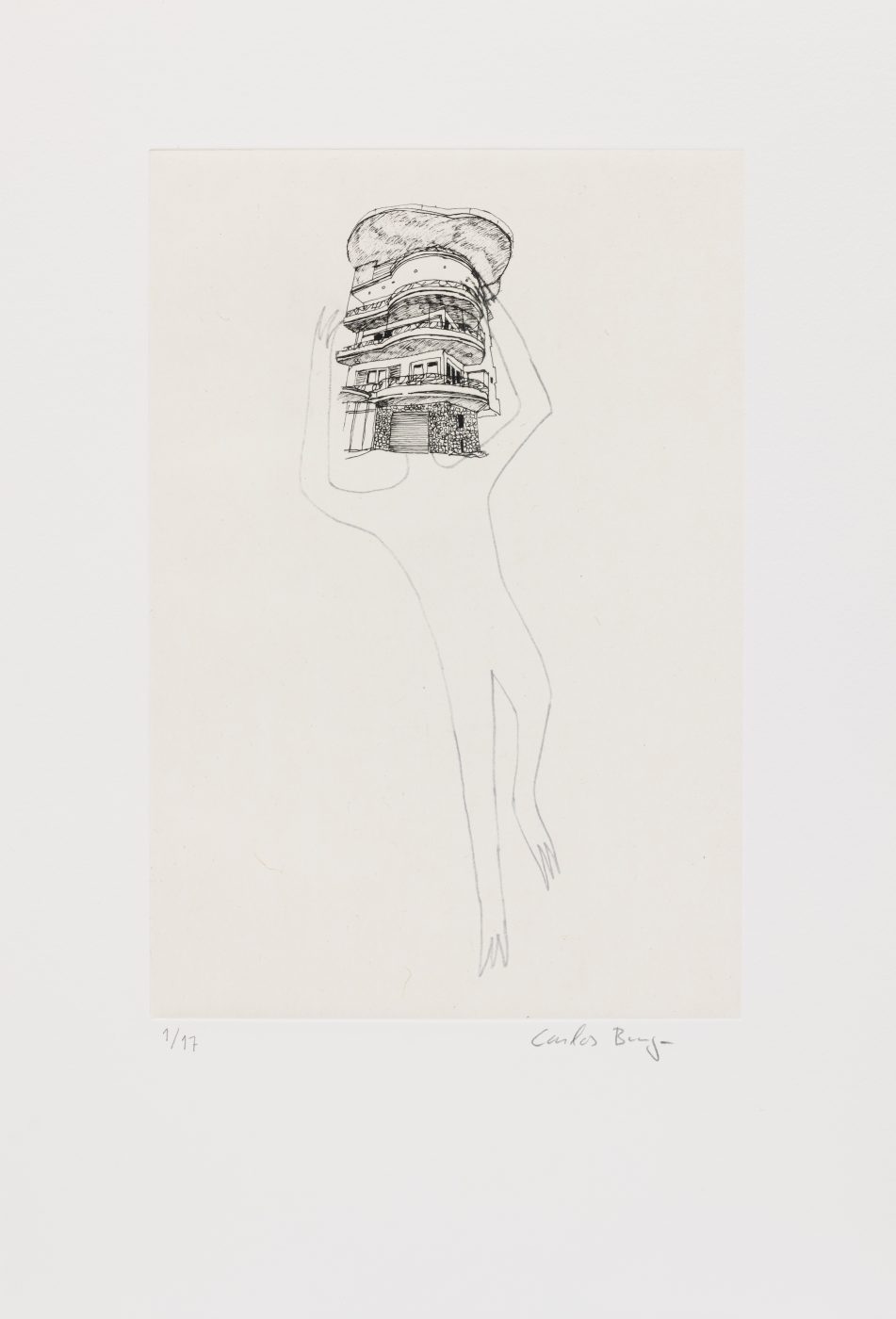

Carlos Bunga, Artista x Artista La Habana, 2016, 2025. Photogravure on Hahnemühle 300 g paper, with Chine-collé application on Japan Gampi 40 g paper. 59,5 x 42 x 3 cm (framed). Ed 17.
Enquire
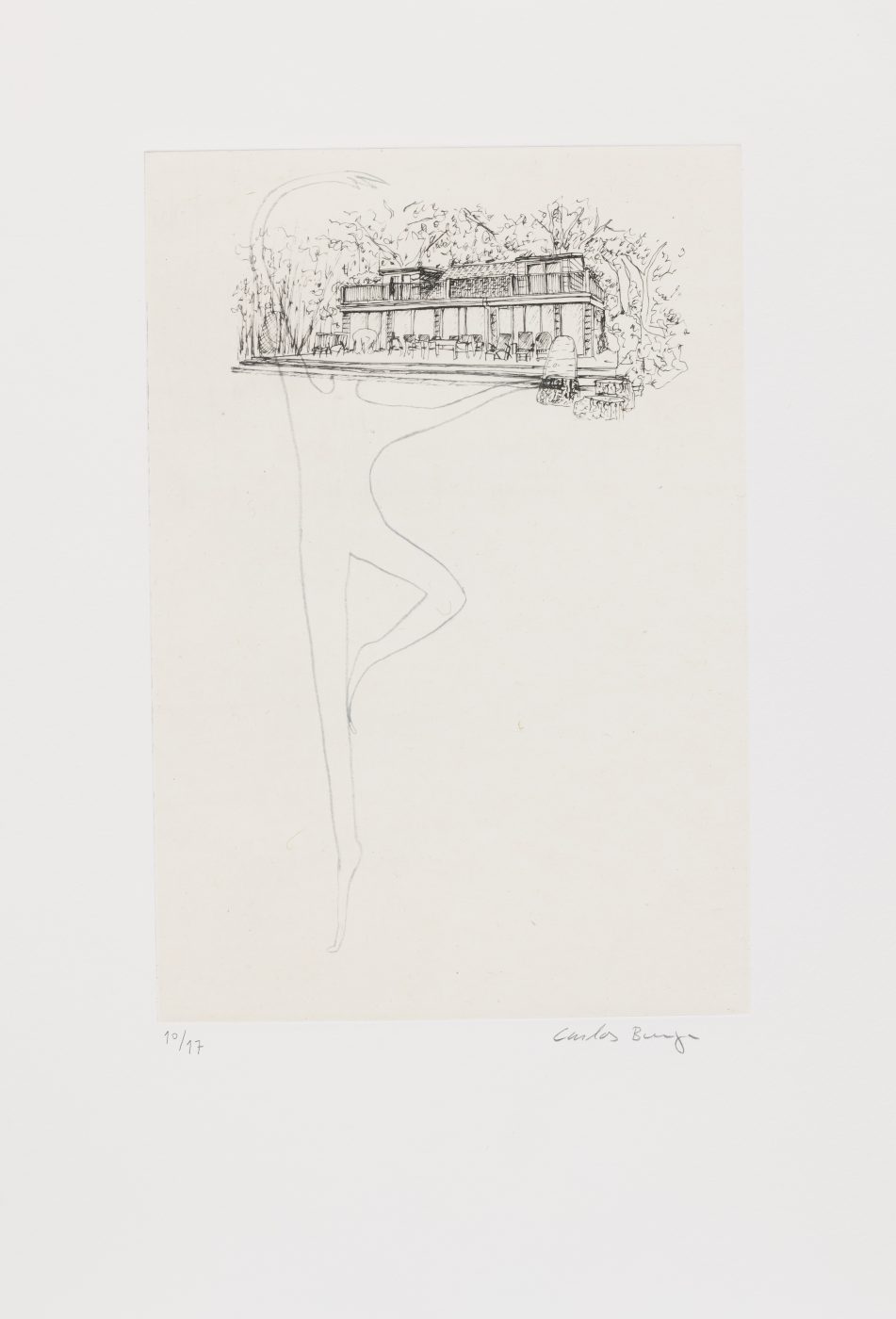
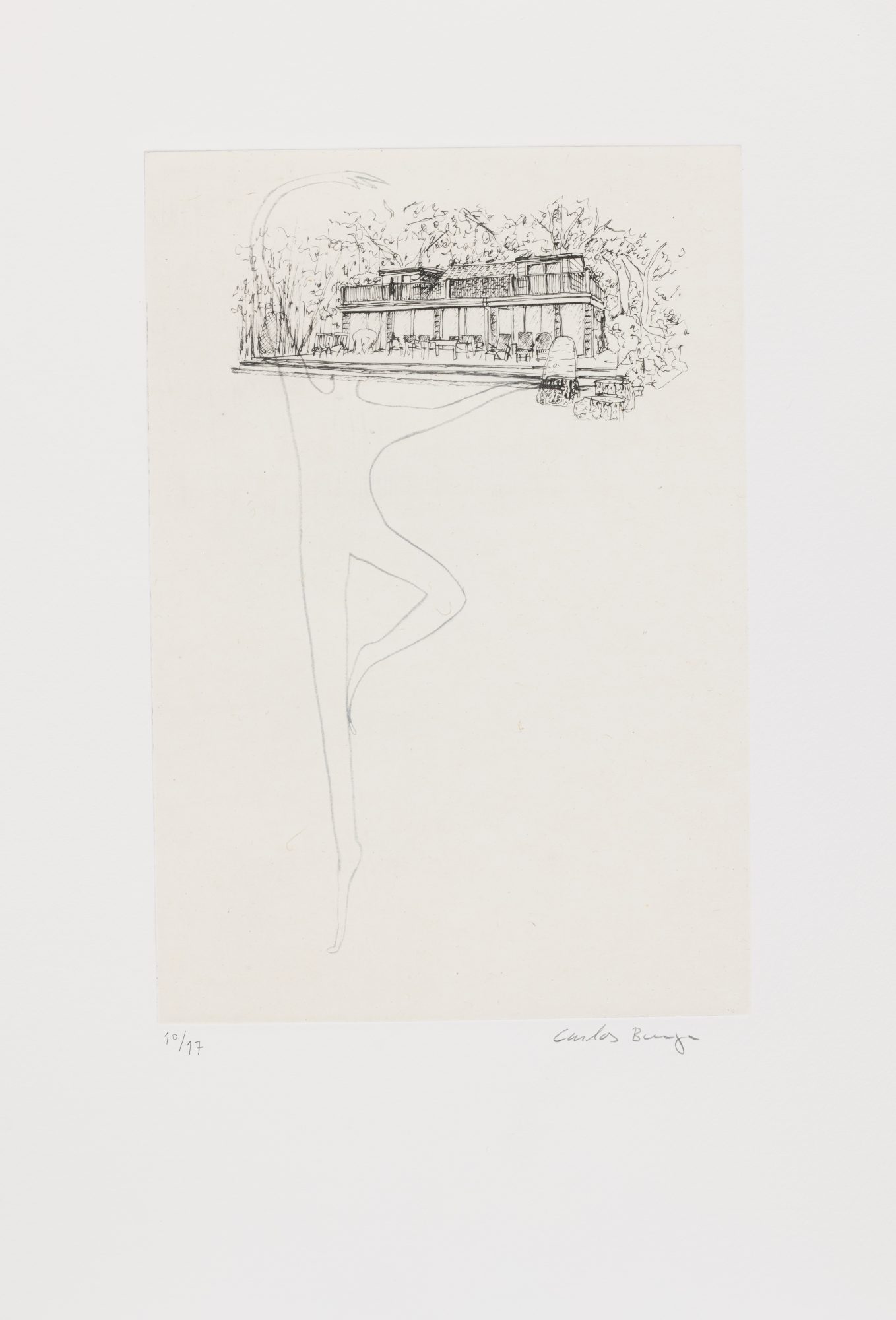
Carlos Bunga, Watermill, 2017. 2025. Photogravure on Hahnemühle 300 g paper, with Chine-collé application on Japan Gampi 40 g paper. 59,5 x 42 x 3 cm (framed). Ed. 17
Enquire
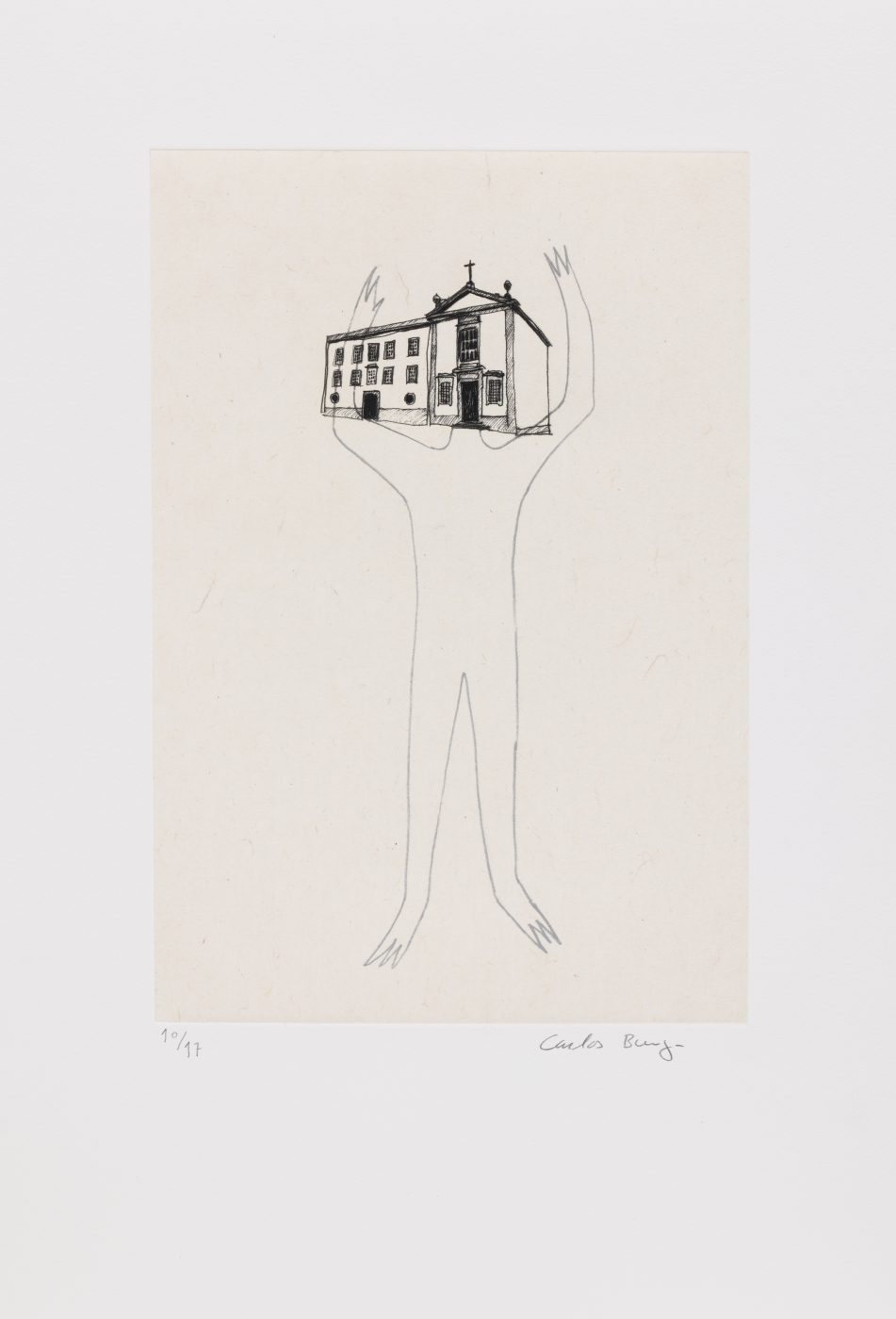
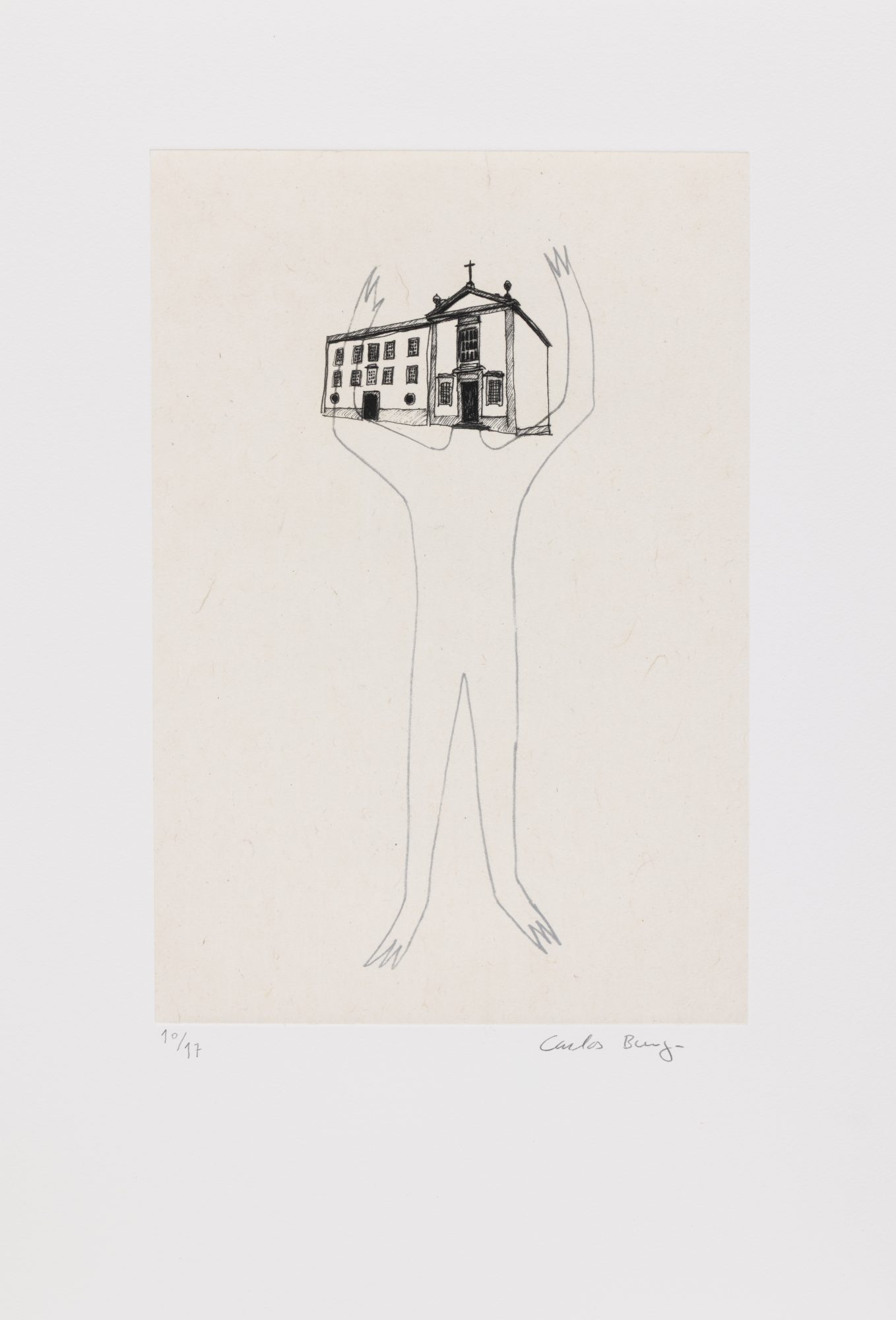
Carlos Bunga, CSR, Porto, 1976-1978, 2025. Photogravure on Hahnemühle 300 g paper, with Chine-collé application on Japan Gampi 40 g paper. 59,5 x 42 x 3 cm (framed). Ed. 17
Enquire
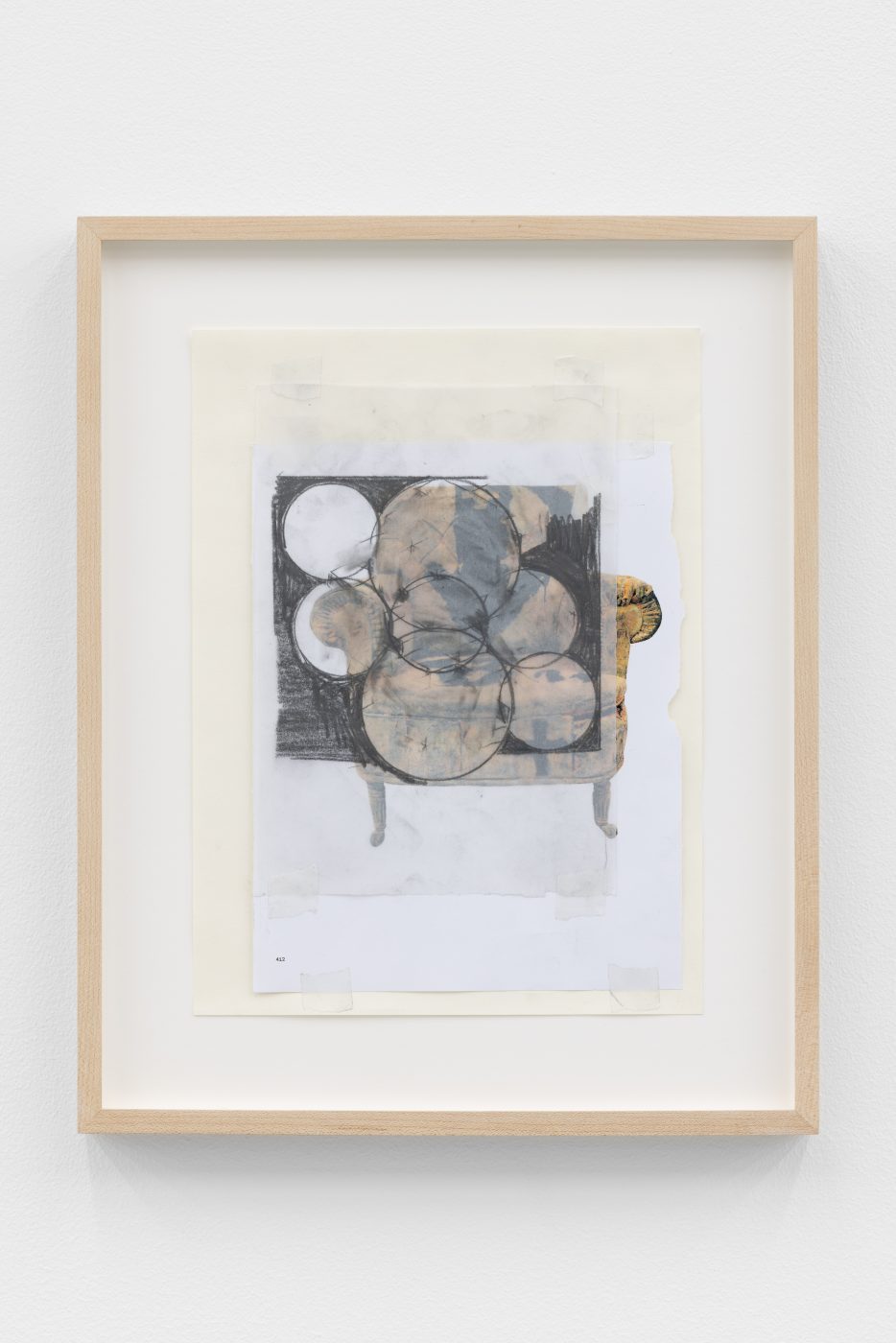
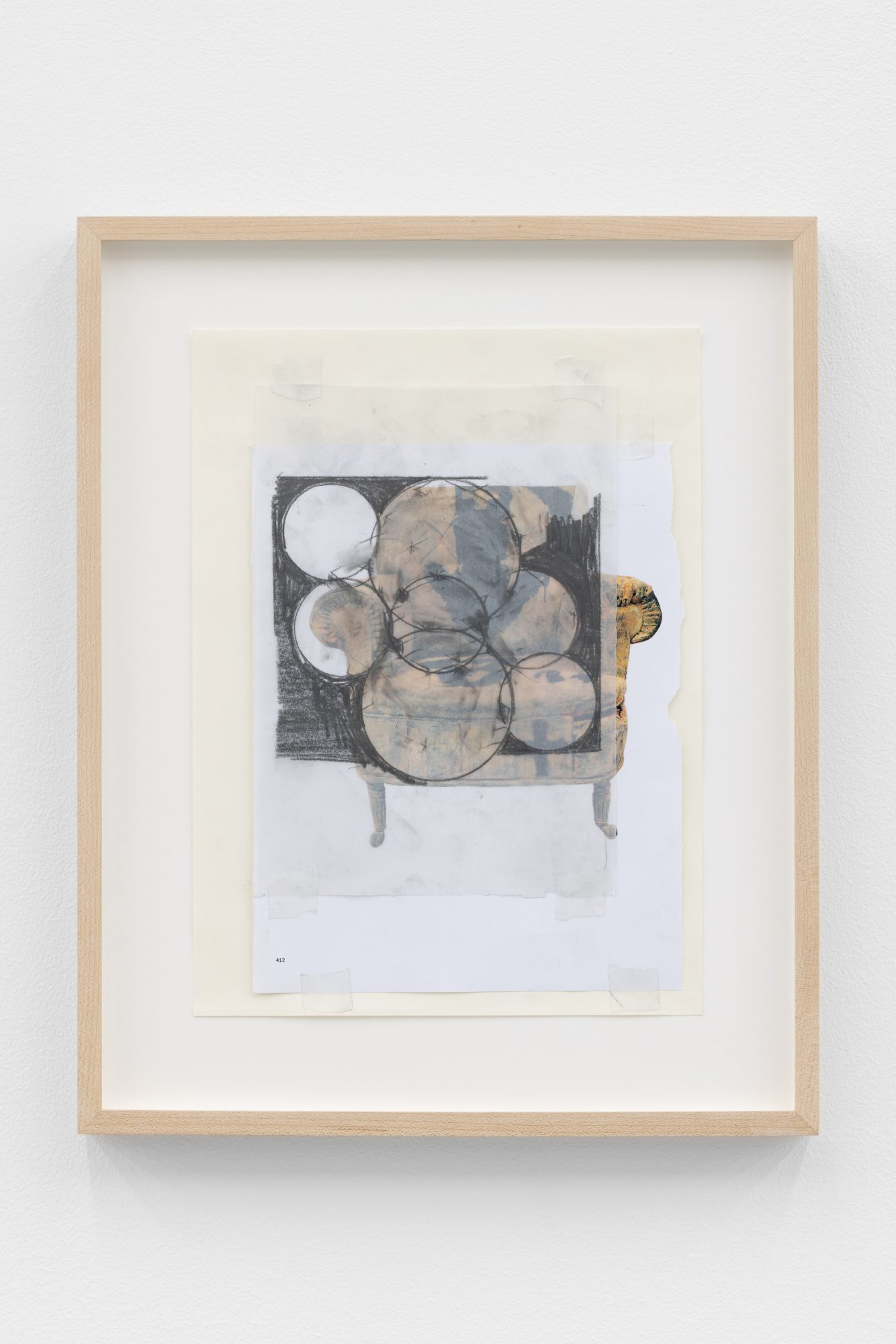
Carlos Bunga, Butaca d’Antoni Tàpies (1987), 2023. Graphite and collage on offset print. 37,5 x 30,5 cm x 3 cm (framed). Unique
Enquire
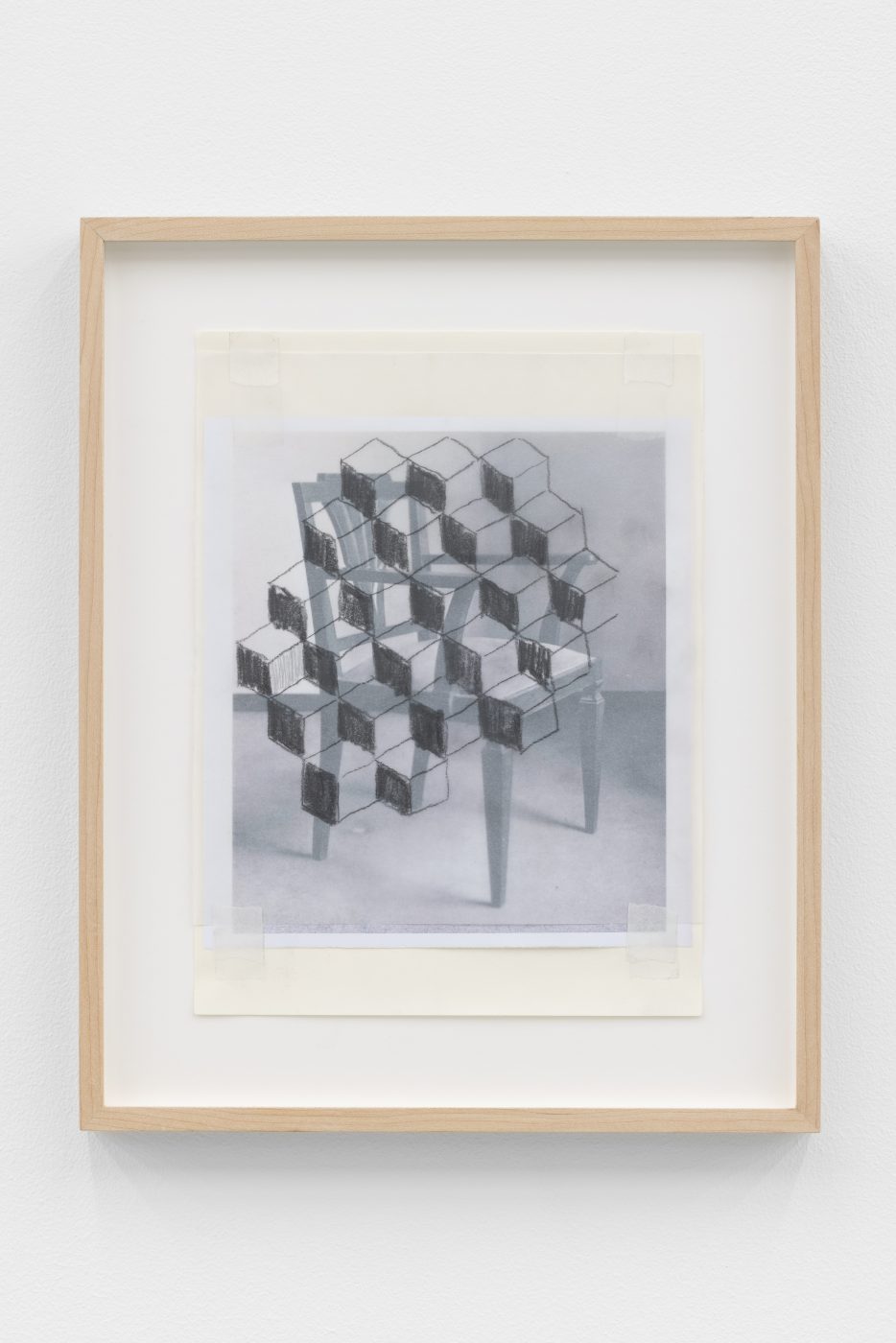
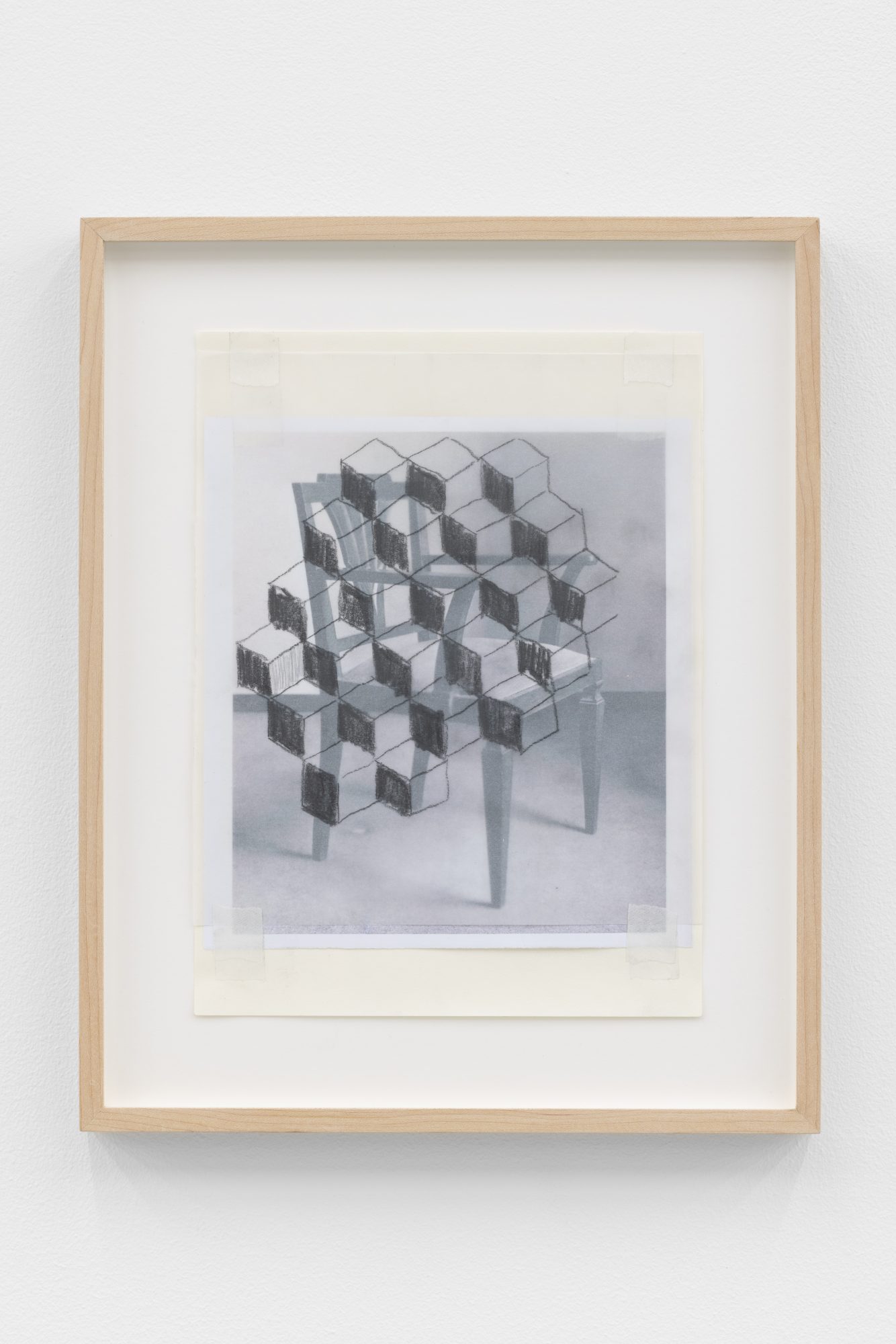
Carlos Bunga, Cadira d’Antoni Badrinas (1933), 2024. Graphite and collage on offset print. 37,5 x 30,5 cm x 3 cm (framed). Unique
Enquire
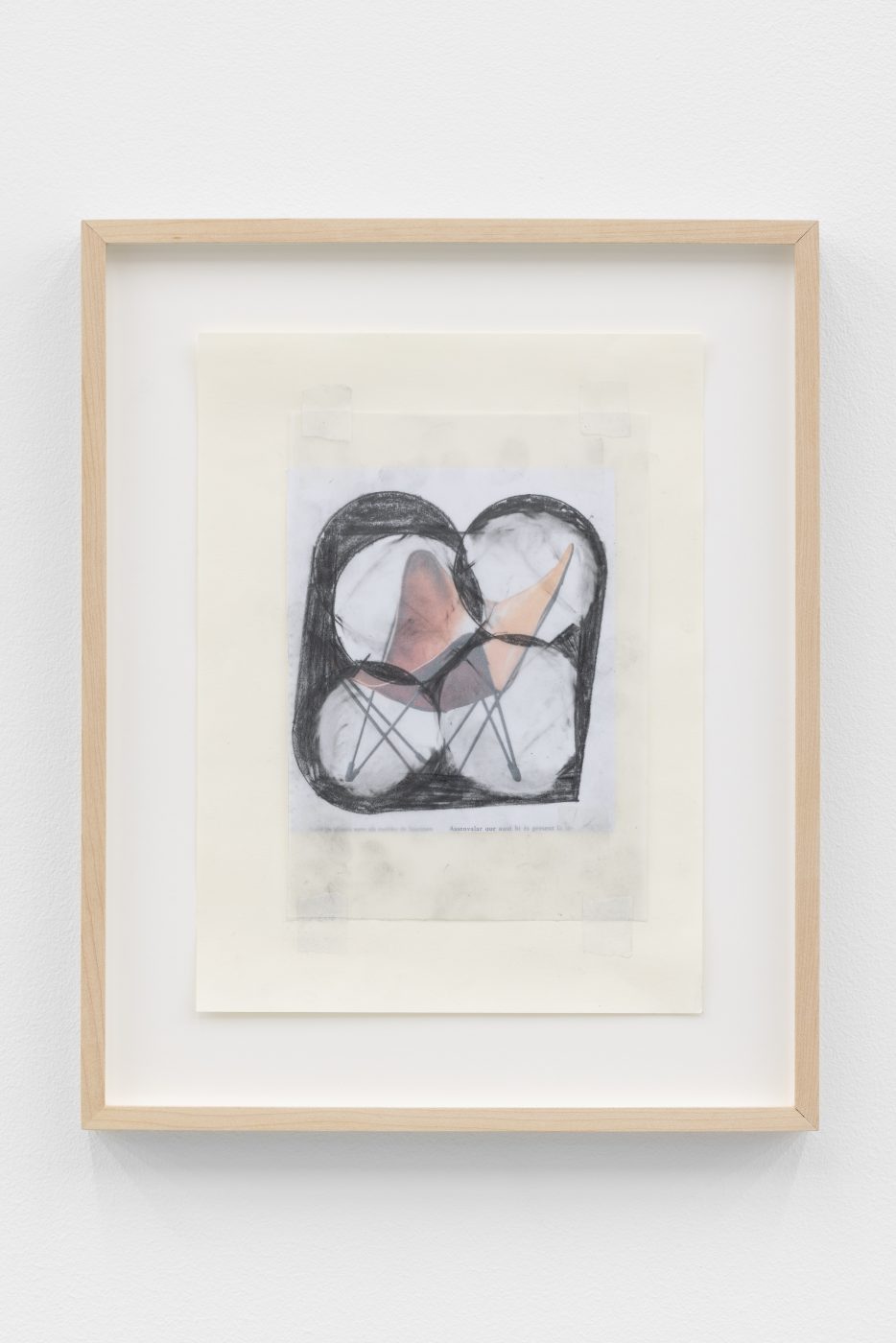
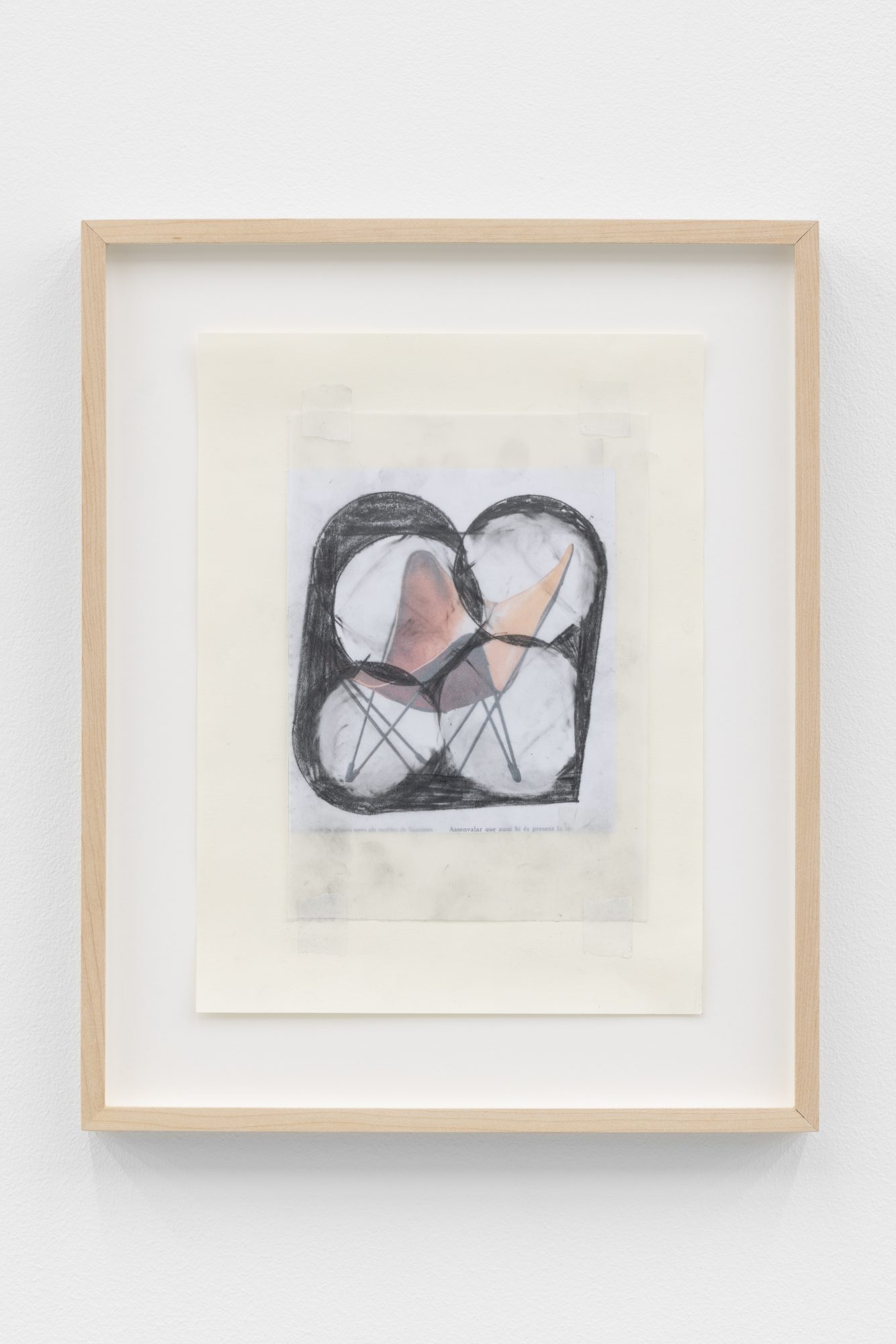
Carlos Bunga, Butaca, “BKF” d’Antoni Bonet i Castellana (1939), 2023. Graphite and collage on offset print. 37,5 x 30,5 x 3 cm (framed). Unique
Enquire
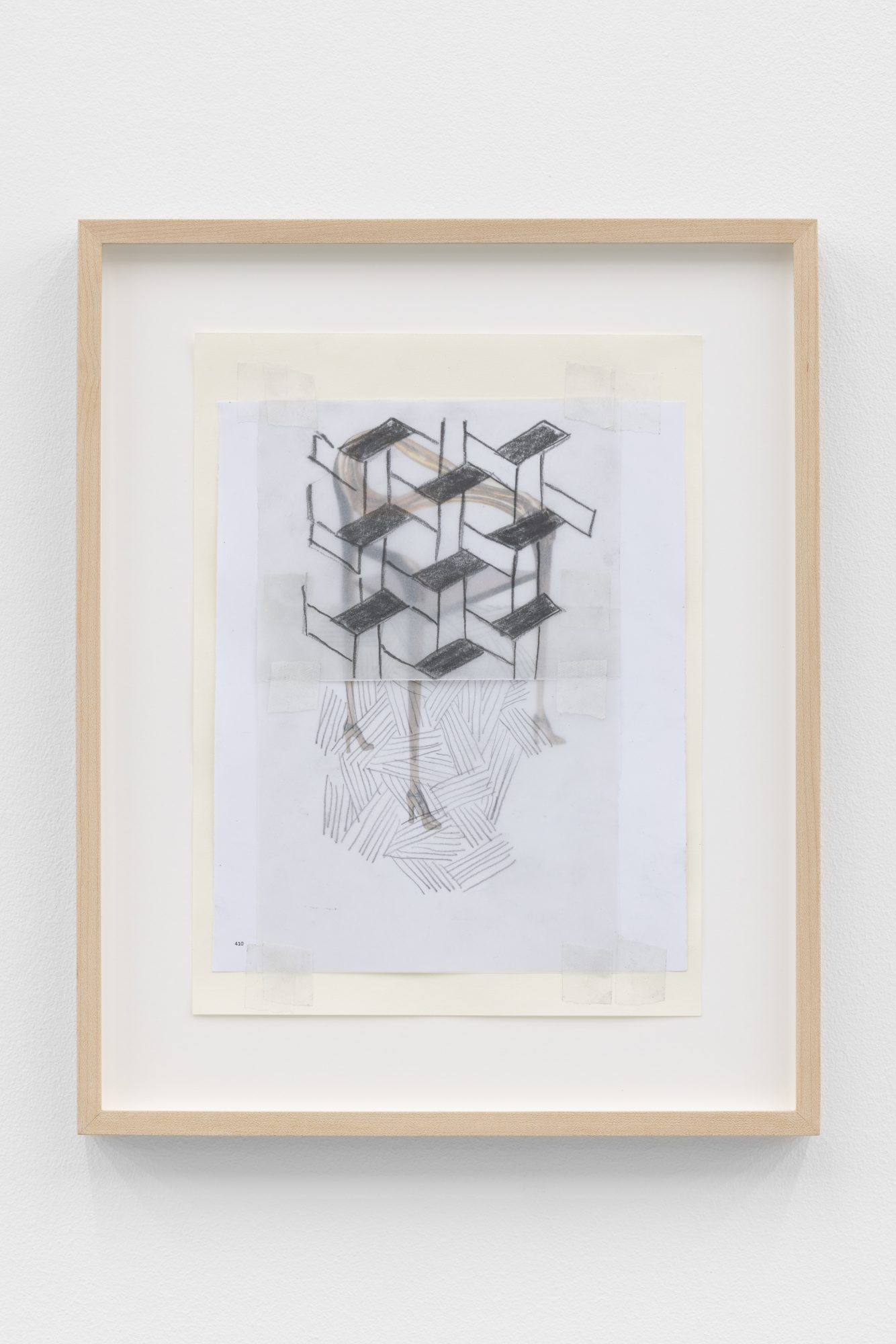
Carlos Bunga, Cadira de Salvador Dalí (1935), 2023. Graphite and collage on offset print. 37,5 x 30,5 cm x 3 cm (framed). Unique
Enquire
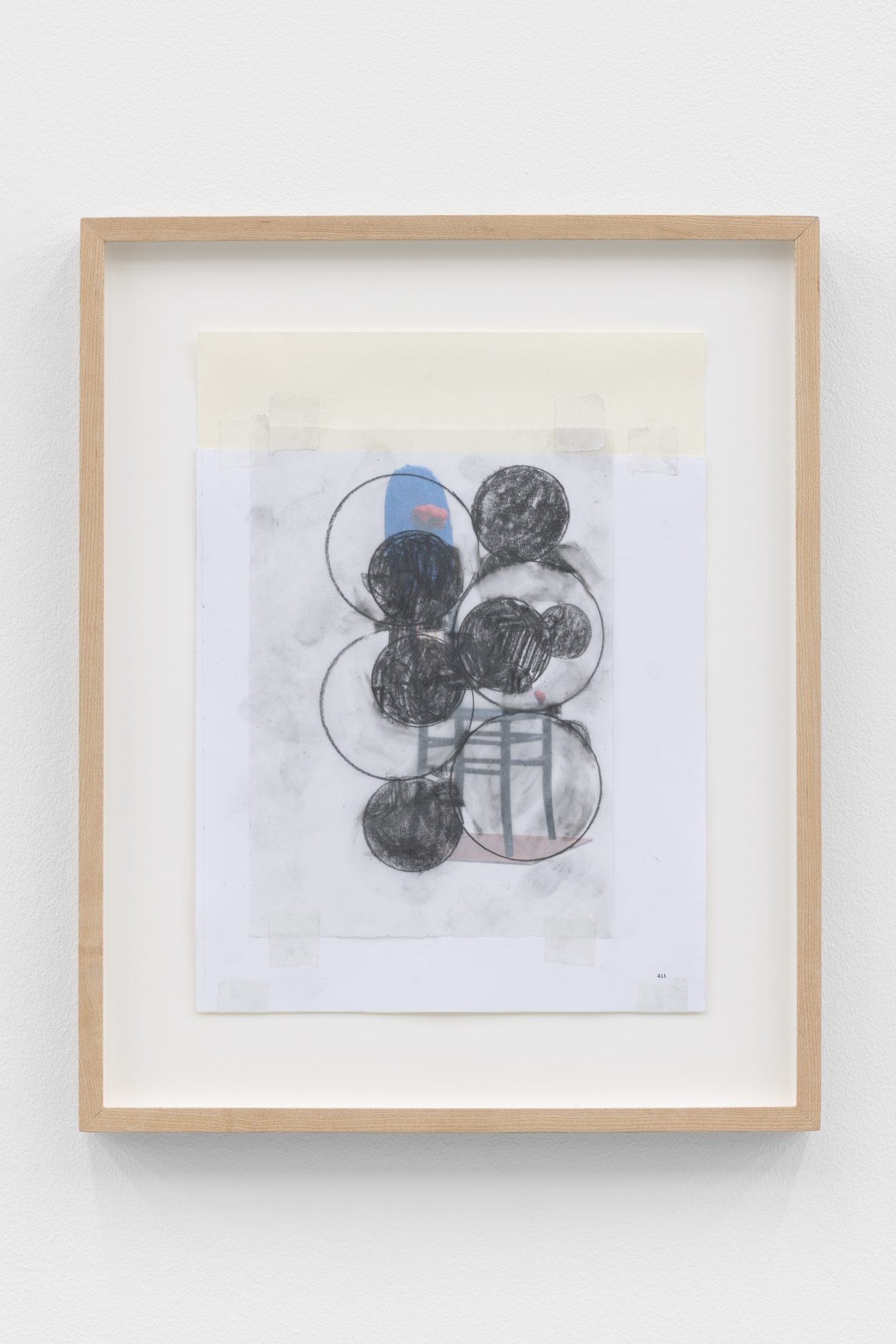
Carlos Bunga, Dona asseguda i infant de Joan Miró (1967), 2023. Graphite and collage on offset print. 37,5 x 30,5 cm x 3 cm (framed). Unique
Enquire
CÉLINE CONDORELLI
Céline Condorelli was born in Boulogne-Billancourt/Paris, France, and is a French-Italian-British artist, living and working in London (UK).
Céline Condorelli was the National Gallery’s 2023 Artist in Residence, London.
Condorelli has produced an extensive body of work that develops different possibilities for living and working together, exploring notions such as public space, the commons, institutions, property relations. Condorelli’s practice is committed to a continuous exploration of the less explicit elements that compose the structures through which individuals encounter the world — be they cultural, economic, material, social or political – the apparatuses of visibility that are often taken for granted, and which the artist describes as “support structures”.
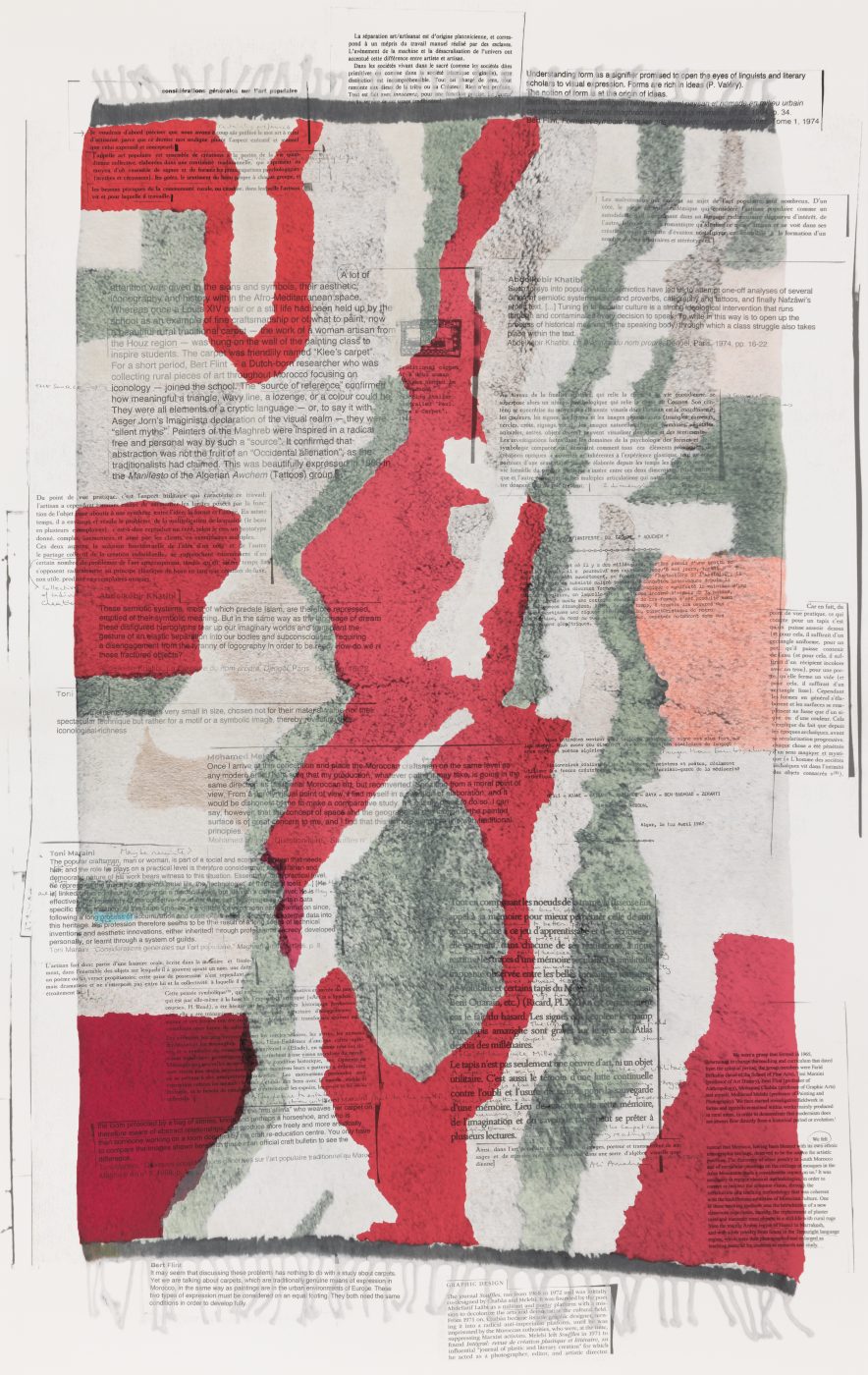
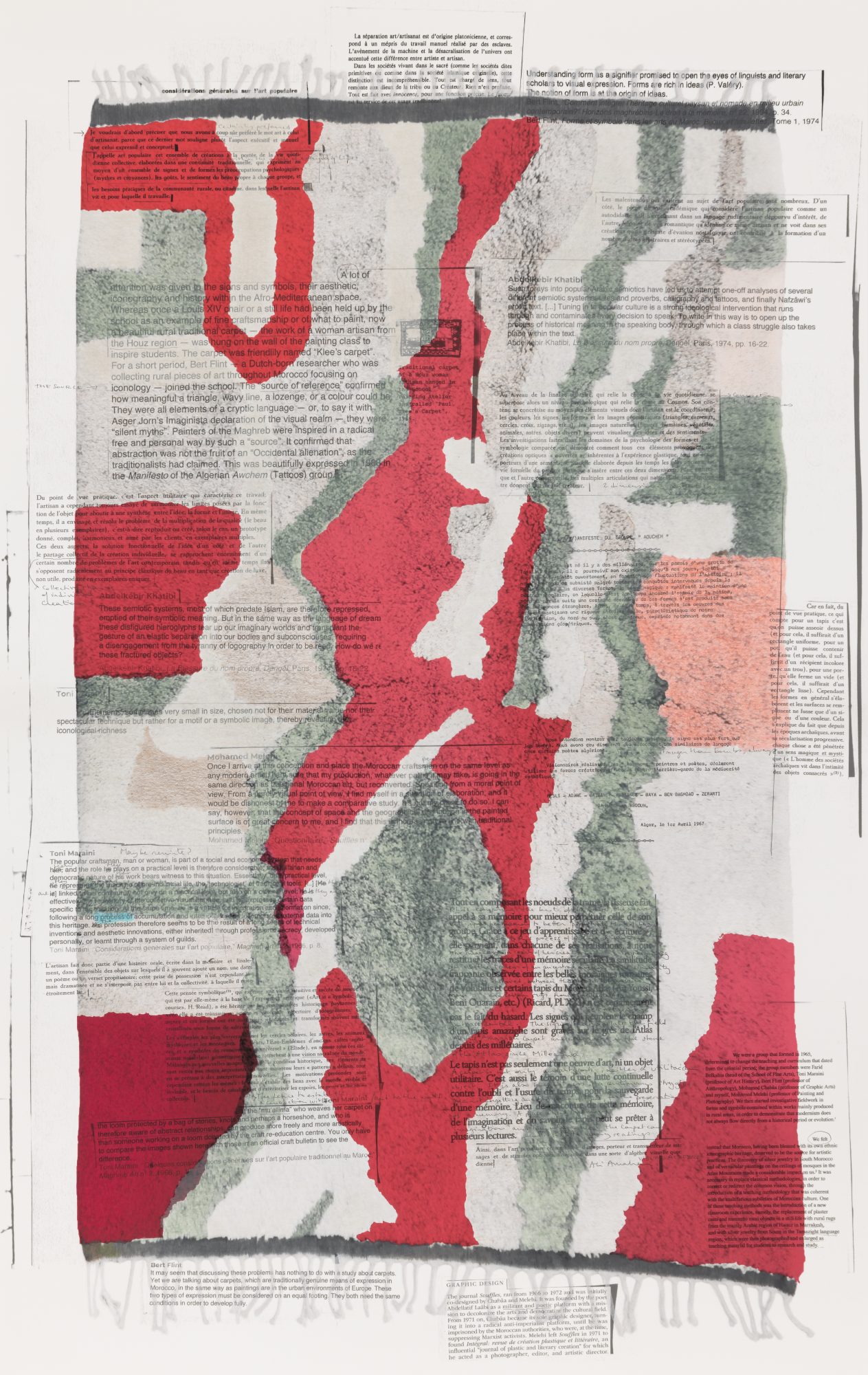
Céline Condorelli, Integrations (Reading), 2023. Ink and coloured pencil on 100% cotton paper. 100 x 63,5 x 5 cm. Unique.
Enquire
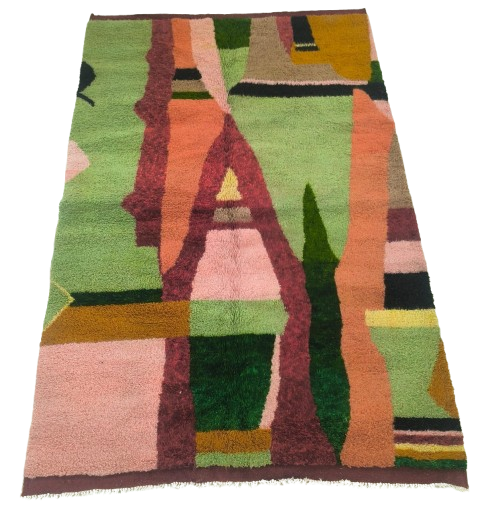
Céline Condorelli, Integrations (Sidi Mokhtar), 2026. Wool. 200 x 300 cm. Produced by Najat, Fatima and Rachida in 9 colours
Enquire
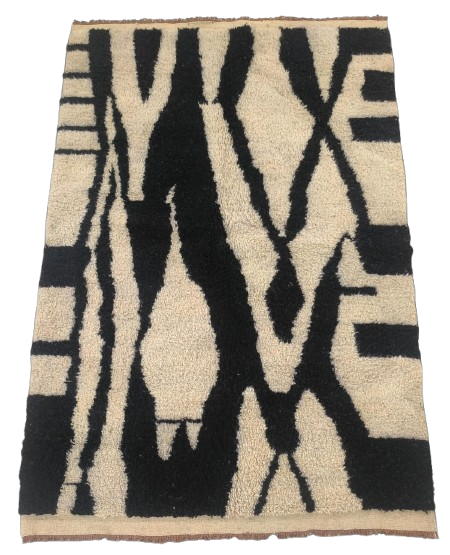
Céline Condorelli, Integrations (Sidi Mokhtar), 2026. Wool. 160 x 240 cm. Produced by Omme likhiyat and Saiidia in 2 colours
Enquire
Condorelli spent several years exploring abstraction as women’s work through the legacy of the anti-colonial Casablanca Art School (1962-1974), which became an important place to re-think the relationship between art and craft, and to rewrite art history from a non-European point of view, which had an impact on the entire region. Starting from the rich history of Amazigh (also known as Berber) material culture, and reconnecting it within an Afro-Arab context, students were enabled to explore without the limiting distinctions and hierarchies between various materials and techniques.
Honouring the legacy of the Casablanca Art School and reversing a common museum practice of showing pieces such as textiles and illustrations as the inspiration for better known artists in more widely coveted media like painting, Condorelli has been collaborating with groups of female weavers around Morocco, and exhibiting their work in art museums. Over time spent sharing techniques, colour palettes, formal arrangements, and imbedded meaning extraordinary new textiles have been created. Continuing Condorelli’s interest in the relationship between art and labour, the pieces are available for purchase, and the proceeds are to be used to continue to create better working conditions in the weaving workshop that produced them in the first place, in Sidi Mokhtar.
DANIEL BLAUFUKS
Daniel Blaufuks has worked on the relationship between public and private memory, a constant theme of inquiry in his work as a visual artist, pursued chiefly through photography and video and presented in installations, books and films. In 2007, he published Sob Céus Estranhos (Tinta-da-china) – based on his film Under Strange Skies from 2002 – which earned him the award for best photography book of the year in the international category at PhotoEspaña. He was also awarded a prize in 2007 for his work about a concentration camp in the Czech Republic, additionally presented in the book Terezín (Steidl, 2010) and the film As If (2014). In 2016, he won the AICA/MC/Millennium BCP Visual Arts Award for the exhibitions Attempting Exhaustion and Léxico. More recently, he has published Não Pai (Tinta-da-china, 2019) and Lisboa Clichê (Tinta-da-china, 2021). He has a PhD from the University of Wales, for which he wrote his thesis on the relationship of photography and cinema to the work of W. G. Sebald and Georges Perec and to the themes of memory and the Holocaust.
His films – “expanded photographs” – have been shown at various film festivals and his latest works examine the resistance to German occupation in Brittany and colonialism in São Tomé and Príncipe.

Daniel Blaufuks, Attempting Exhaustion (After the Goodbye), 2025. Inkjet print on paper. 100 x 150 x 4 cm. Ed. 3.
Enquire

Daniel Blaufuks, Attempting Exhaustion (After the Goodbye), 2025. Inkjet print on paper. 150 x 100 x 4 cm. Ed. 3.
Enquire

Daniel Blaufuks, Attempting Exhaustion (After the Goodbye), 2025. Inkjet print on paper. 150 x 100 x 4 cm. Ed. 3
Enquire
Between 2009 and 2025, I photographed a table and a window in my kitchen in Lisbon. I was first attracted by its silence, later by how the objects received the light, and, finally, by their geometrical composition. I couldn’t help noticing, more and more, how things repeated themselves without truly repeating themselves.

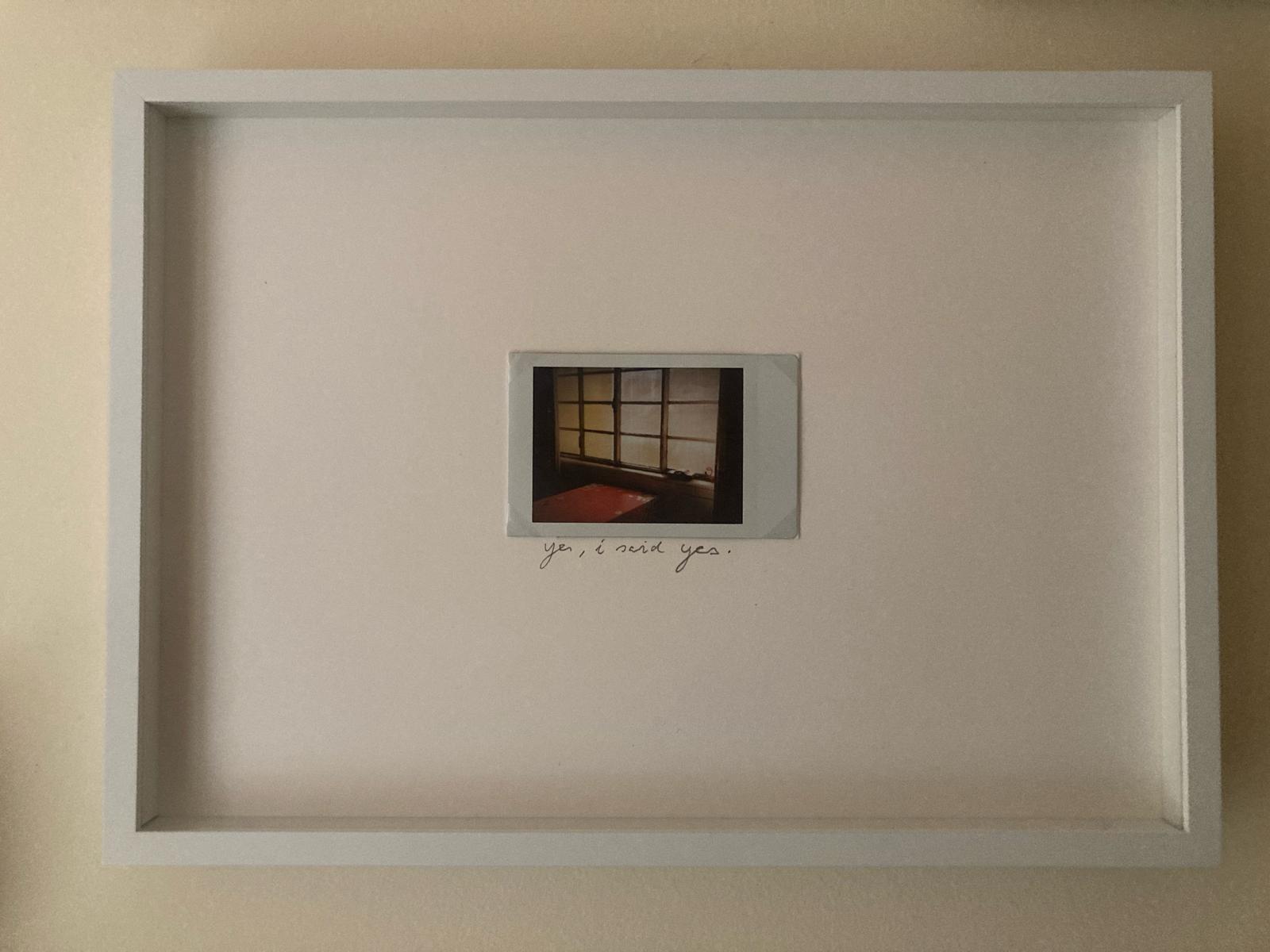
Daniel Blaufuks, Da série, Tentativa de Esgotamento (depois do adeus), 2025. Collage on Canson paper (photograph, ink, various clippings). 22 x 31 x 3 cm (framed). Unique
Enquire

Daniel Blaufuks, Attempting Exhaustion (depois do adeus), March 2025
Enquire
Daniel Blaufuks
Attempting Exhaustion (Depois do Adeus), March 2025
Unlike Perec’s tableau, as he saw it from the café in Paris, mine was truly void of any action. In front of those luminous but opaque windows, the objects on the table were replaced in function of everyday needs: dishes, glasses, newspapers, magazines, flowers, napkins, the fruit in season, papers, instruments, maps. Retreating from the outside world, I slowly transformed my kitchen into a refuge, a shelter, a place for introspection and solace. Sometimes, I could see the suspended light as a modest reminder of the light in a church or mosque I once visited in Iran. Everything seemed to remain unchanged in this kitchen while the world outside transformed.
As I photographed it, day after day, I realized that images alone would never be able to reproduce the entirety of that minuscule space. And even if we attempted to translate the wholeness of it into identical hours of moving images, the sequence would exhaust our time — much like Ireneo Funes, who didn’t have time to live because he was using his days to reconstruct a full day’s worth of past memories. Moreover, each photo reflects reality in its own way: subtle differences in the color of the digital images, overexposures in the positives, grainy grays on the black and white photos, and the fascinating chemical reactions of instant film.

Daniel Blaufuks, Da série, Tentativa de Esgotamento (depois do adeus), 2025. Collage on Canson paper (photograph, ink, various clippings. 22 x 31 x 3 cm (framed). Unique
Enquire
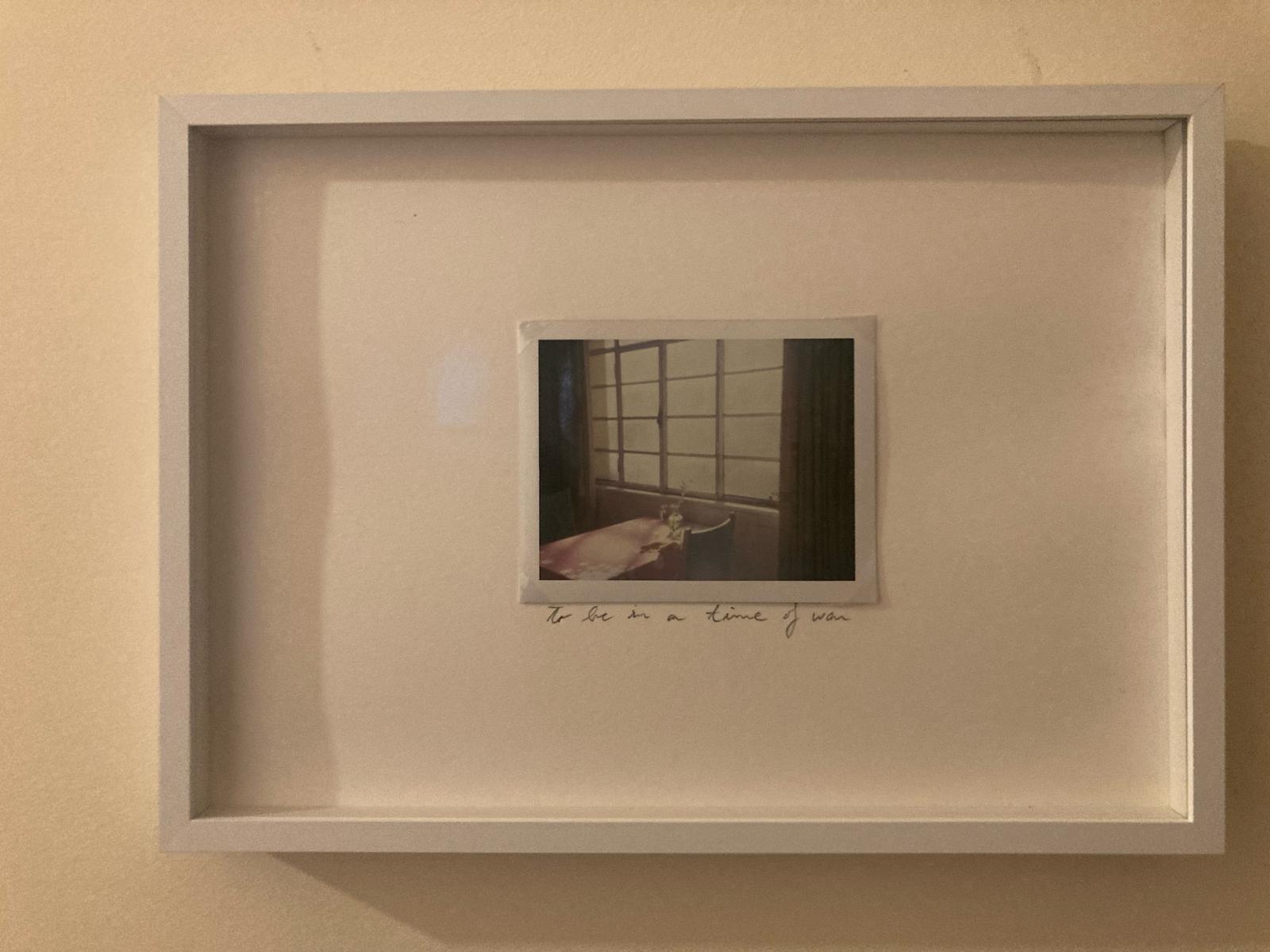
Daniel Blaufuks, Tentativa de Esgotamento (depois do adeus), 2025. Collage on Cason paper (photograph, ink, various clippings). 22 x 31 x 3 cm (framed). Unique.
Enquire
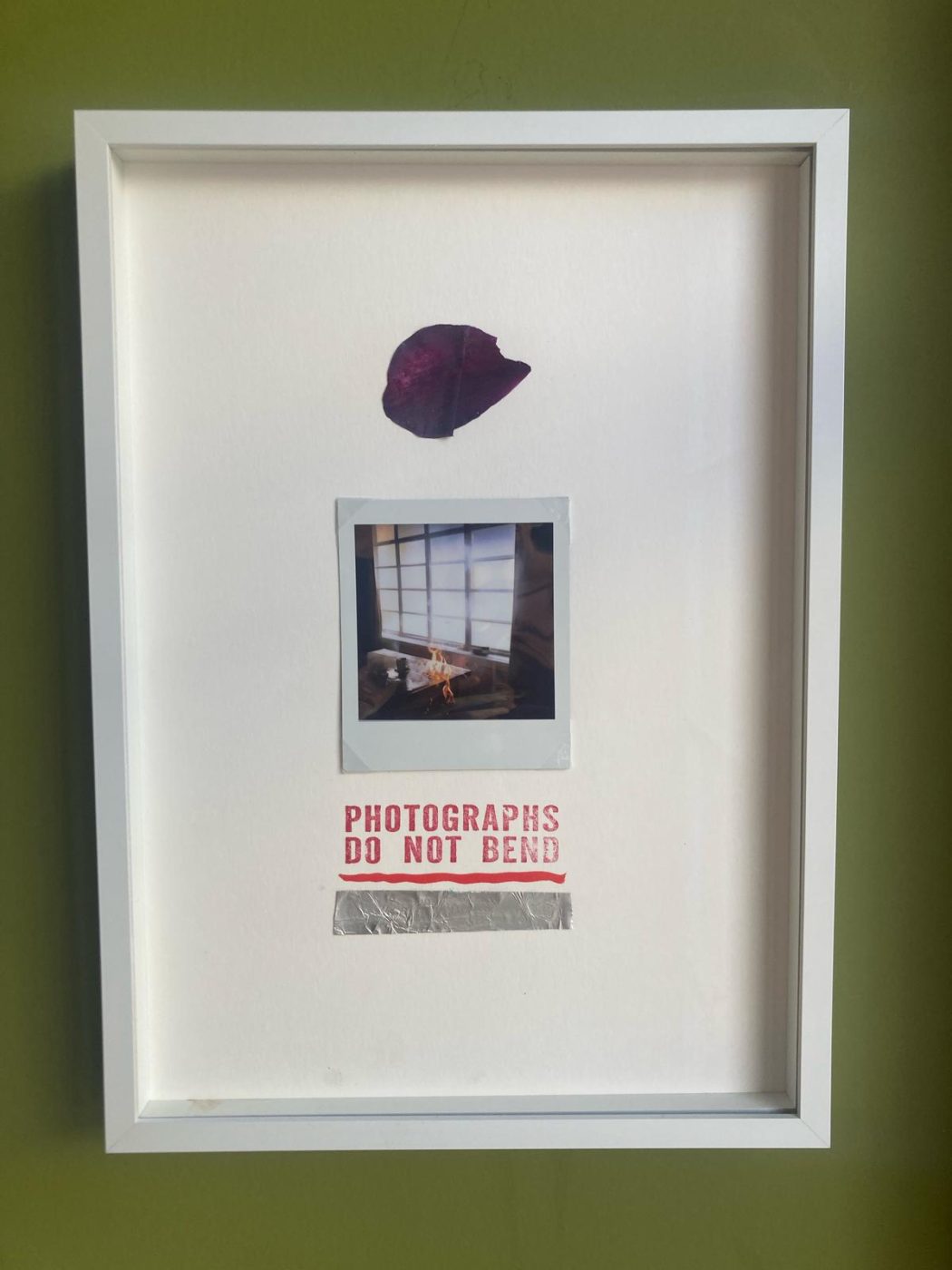
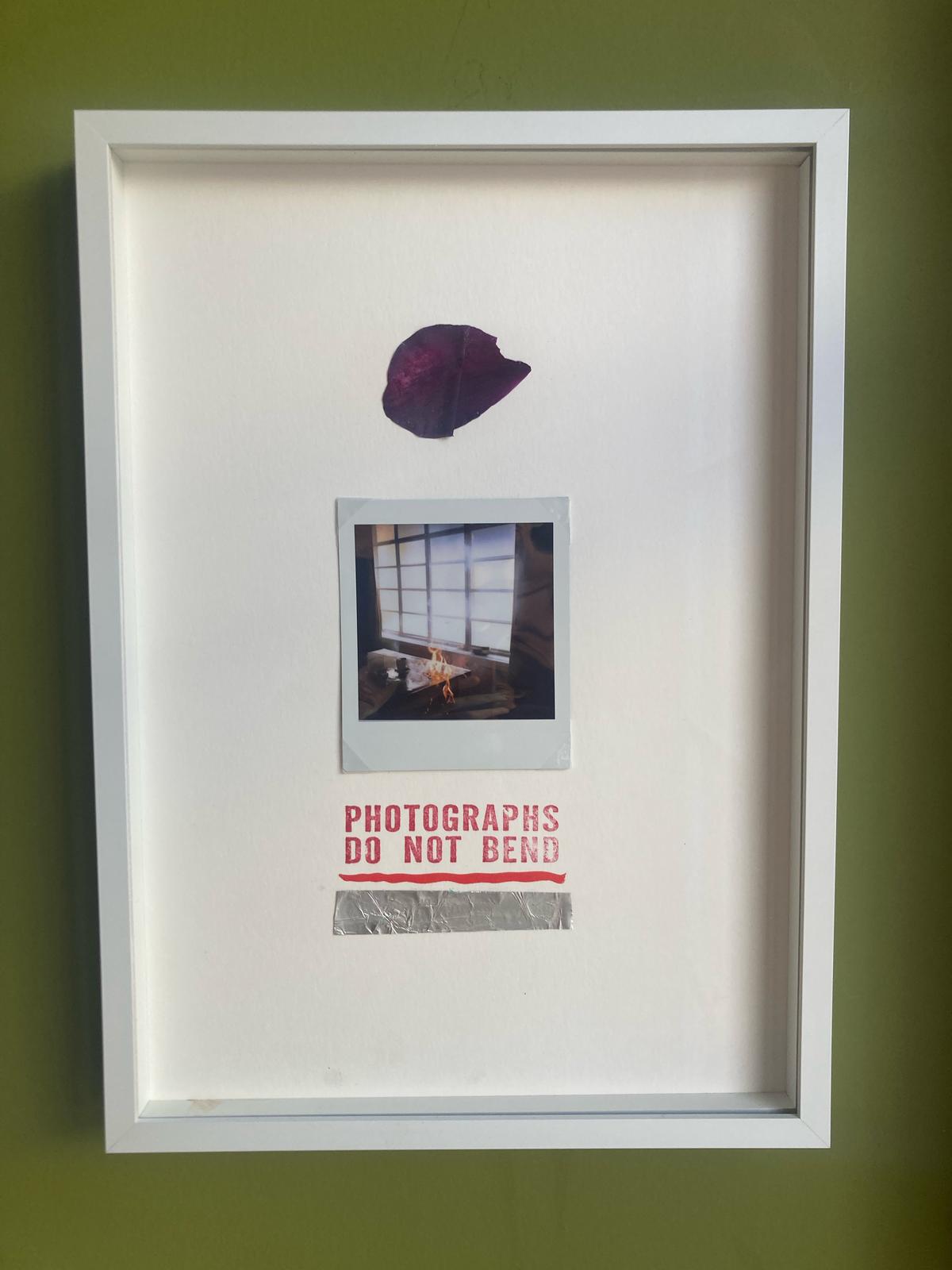
Daniel Blaufuks, Tentativa de Esgotamento (depois do adeus), 2025. Collage on Cason paper (photograph, ink, various clippings). 31 x 22 x 3 cm (framed). Unique.
Enquire
IGNASI ABALLÍ
Born in Barcelona, Spain, in 1958, where he lives and works.
Ignasi Aballí’s work is deeply rooted in conceptual art, exploring how perception and representation shape our understanding of everyday objects, language and media. His work often features minimalist approaches, questioning the nature of images, time and the concept of absence. Aballí engages with the notion of ‘disappearance’, using materials such as newspapers and subtle interventions to examine how information is consumed, lost or altered, exploring the relationship between images and texts. He invites viewers to reflect on the complexities of visual culture, memory and the passage of time. His work pushes the boundaries between what is seen and what is unseen, challenging us to reconsider the role of art in conveying meaning and perception. His approach to visual language is often critical, turning ordinary objects into profound reflections on contemporary life.
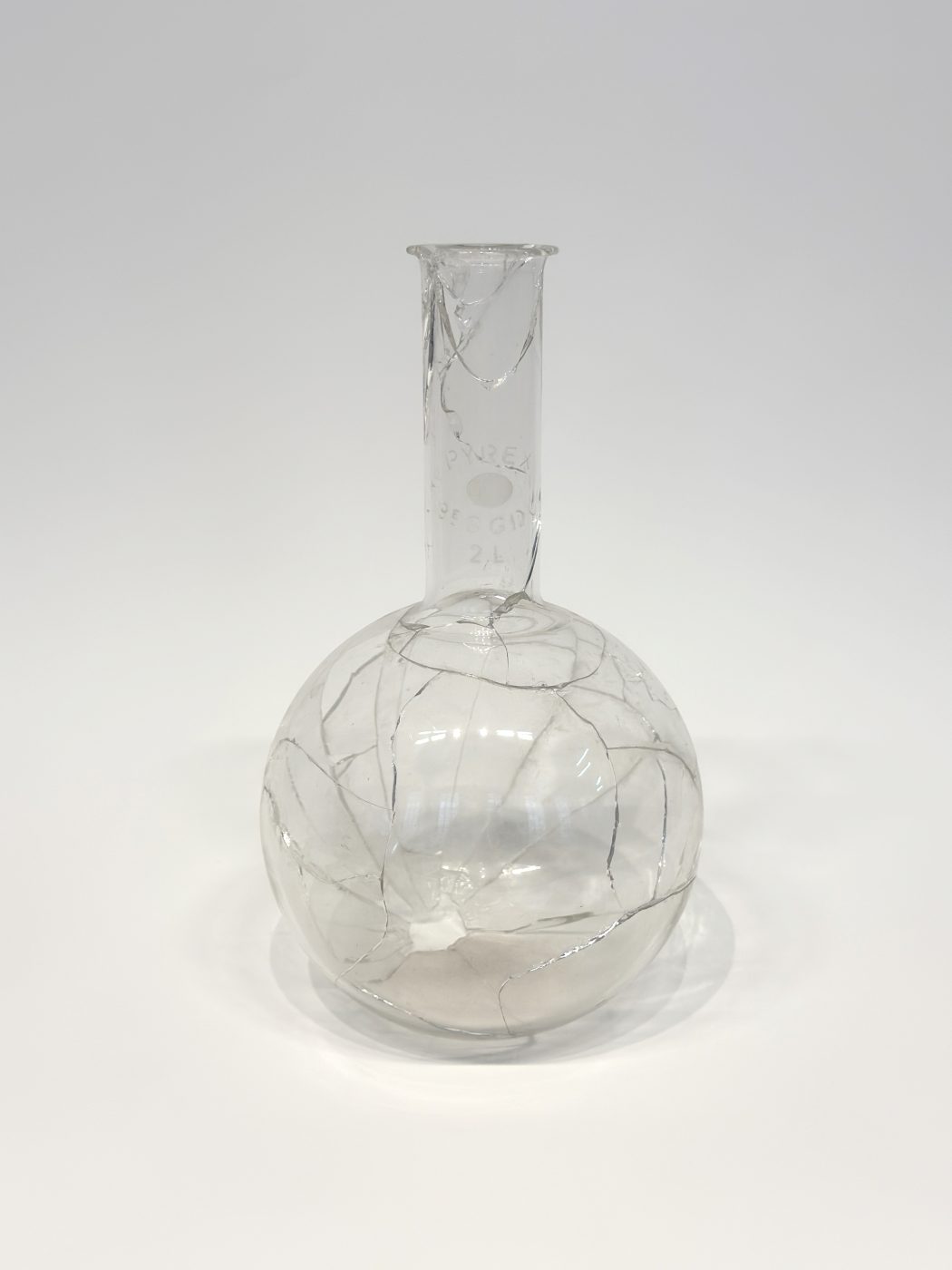
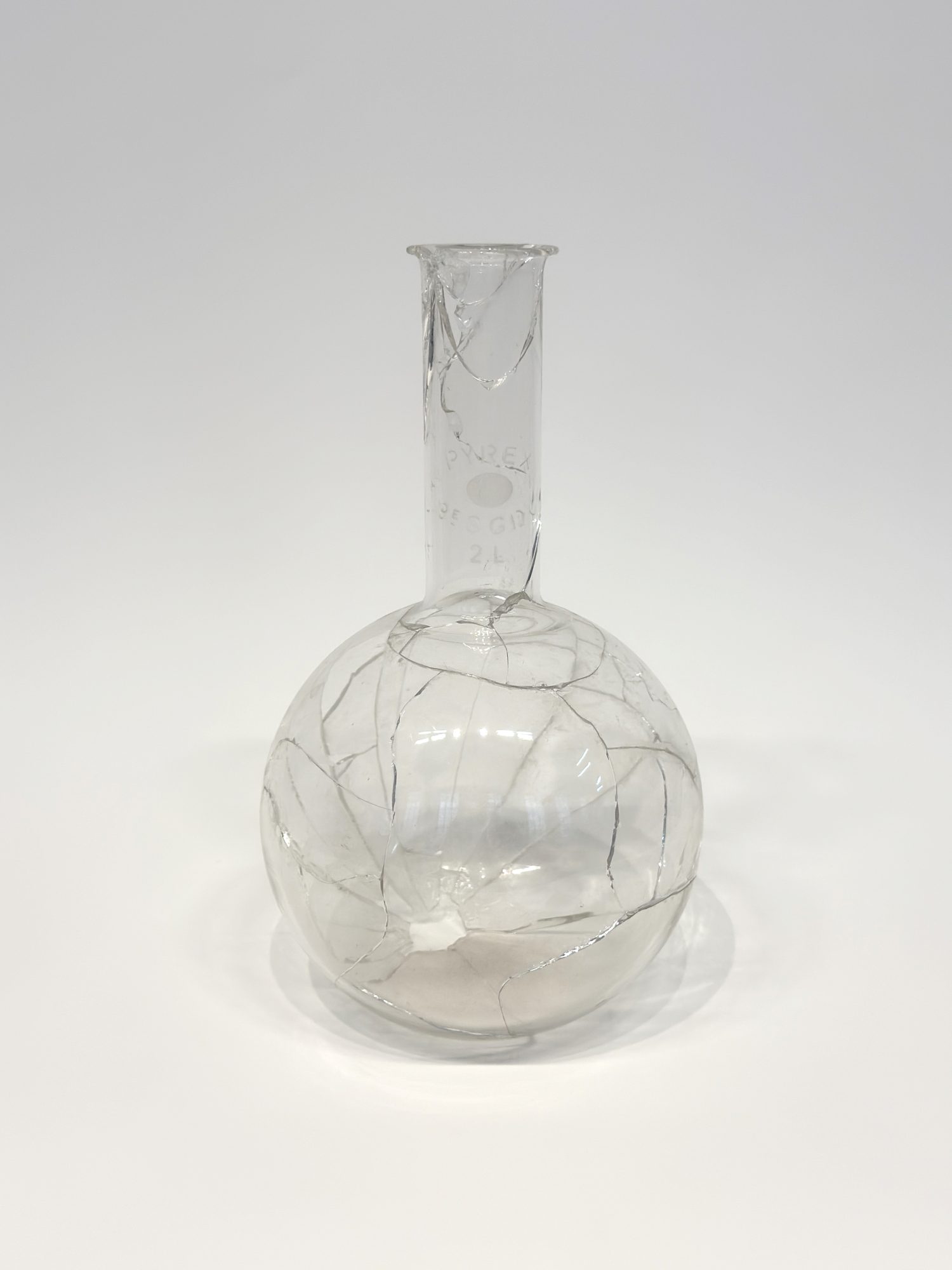
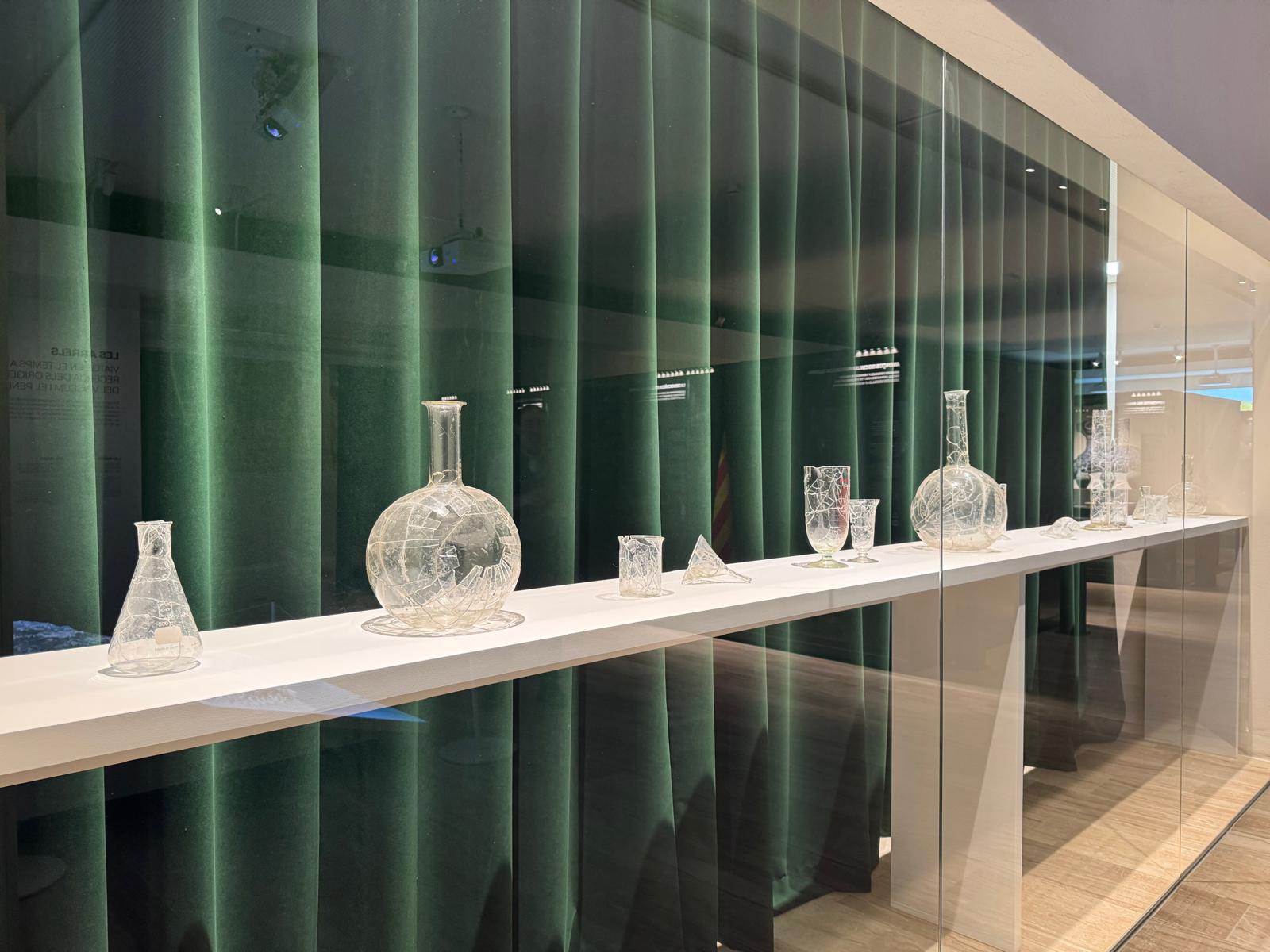
Ignasi Aballí, Temptative of Reconstruction VI, 2023. Broken glass object. 29 x 16 x 16 cm. Unique
Enquire
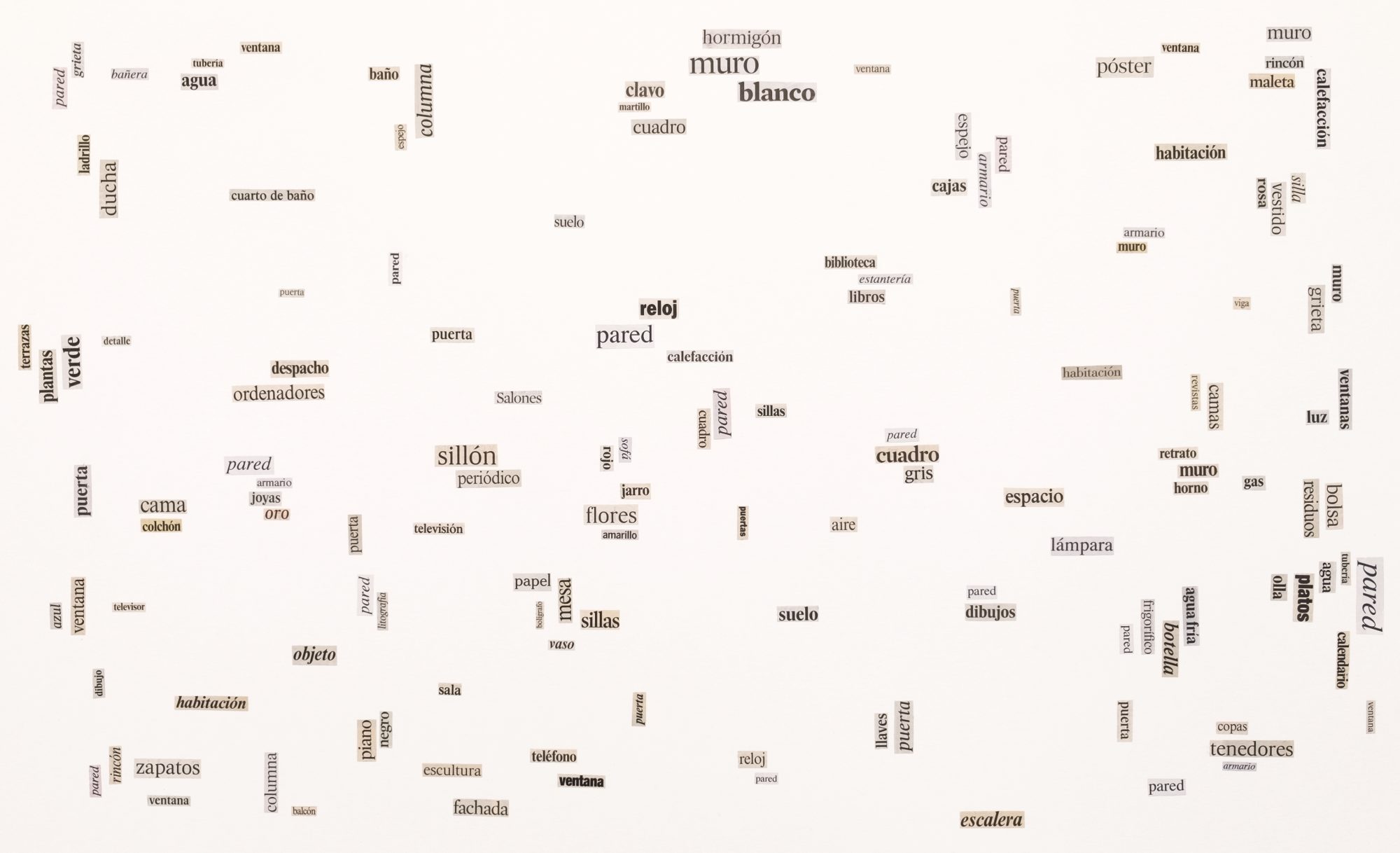
Ignasi Aballí, House, 2026. Collage on paper. 122 x 93 cm. Unique
Enquire
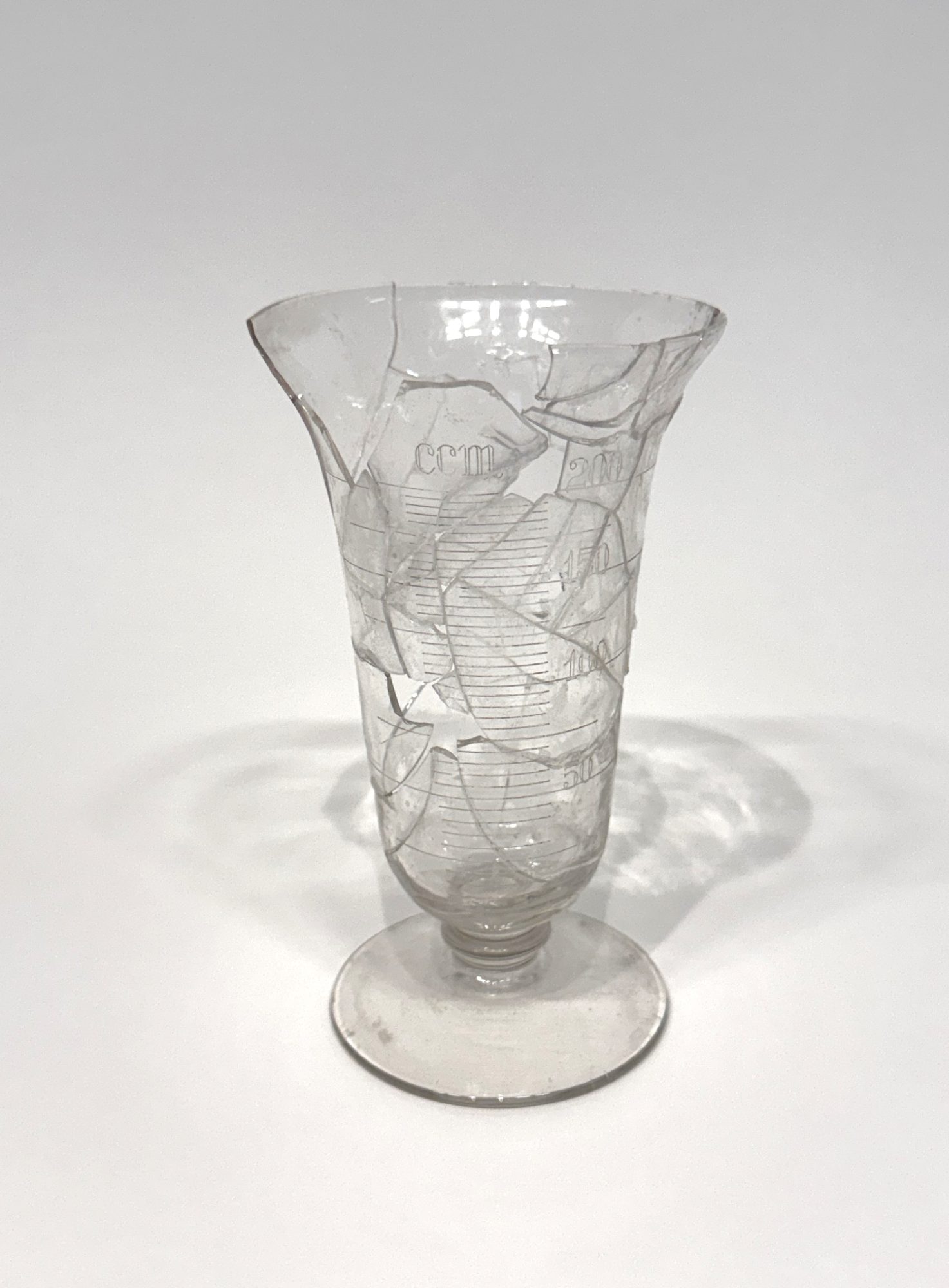
Ignasi Aballí, Temptative of Reconstruction II, 2023. Broken glass object. 15,5 x 9 x 9 cm. Unique.
Enquire
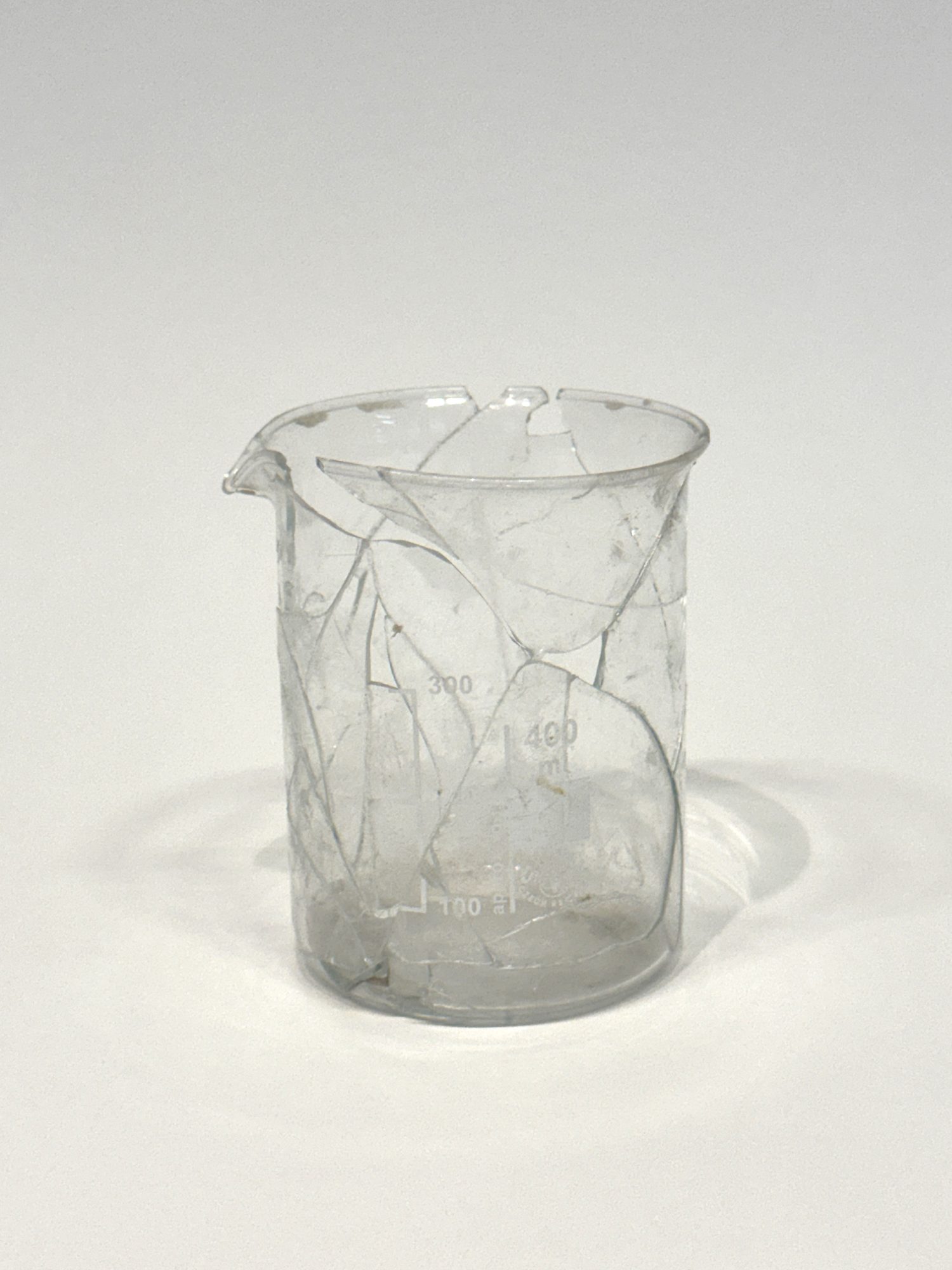
Ignasi Aballí, Temptative of Reconstruction IV, 2023. Broken glass object. 11,5 x 10 x 10 cm. Unique
Enquire
JOÃO LOURO
João Louro was born in 1963, in Lisbon, where he lives and works. He studied architecture at the University of Lisbon and painting at the Ar.Co School of Visual Art. João Louro’s body of work encompasses painting, sculpture, photography and video.
João Louro’s work descends from minimal and conceptual art, with special attention to avant-garde movements of the early twentieth century. It draws out a topography of time, with references that are personal but mainly they are generational. With regular recourse to language as a source, as well as the written word, he seeks a review of the image in contemporary culture, starting out from a set of representations and symbols from the collective visual universe. Minimalism, conceptualism, Pop culture, structuralism and post-structuralism, authors such as Walter Benjamin, Guy Debord, Georges Bataille and Blanchot as well as artists like Donald Judd and the ever-present Duchamp, form the reference lexical universe of the artist.
He was the Portuguese representative at the Venice Biennale of 2015, with the exhibition “I Will Be Your Mirror | Poems and Problems”.

João Louro, Cover #47 (Portrait of the artist as a young dog, Dylan Thomas), 2025. Acrylic on raw canvas. 114 x 89 x 5 cm. Unique
Enquire

João Louro, Cover #48 (Portrait as the artist as a young man, James Joyce), 2025. Acrylic on raw canvas. 114 x 89 x 5 cm. Unique
Enquire
Based on Charles Darwin’s writings on the origin of the species, this exhibition addresses the natural selection within the group of predators, of which man is a part. Mankind has become the dominant species and the largest and most fearsome predator.
The Origin of the Predatory Animals, 2026

Exhibition view: João Louro, The Origin of the Predatory Animals, 2025
Enquire
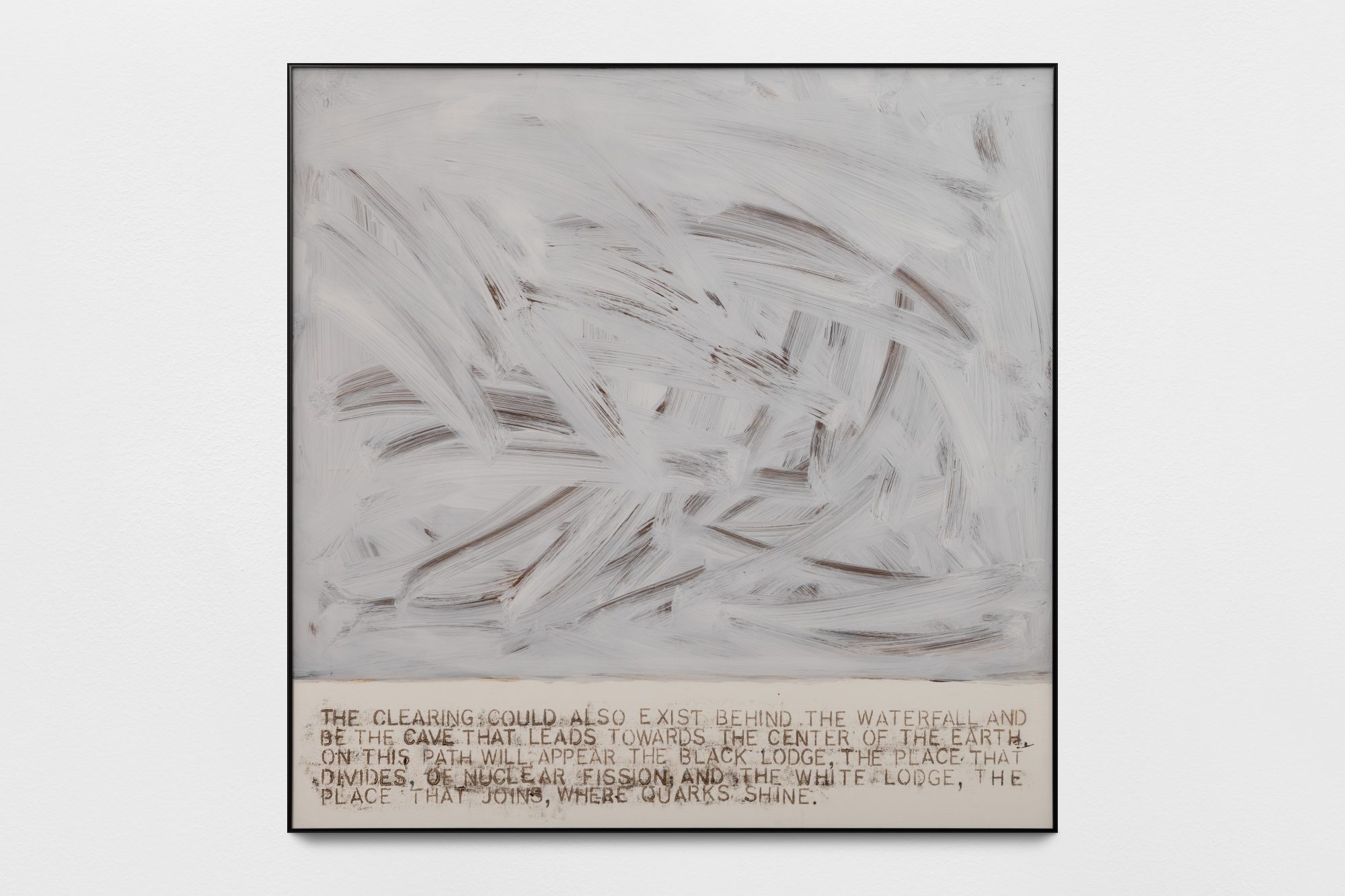
João Louro, The Clearing #14, 2025. Acrylic and plexiglass. 154 x 154 x 6,5 cm
Enquire
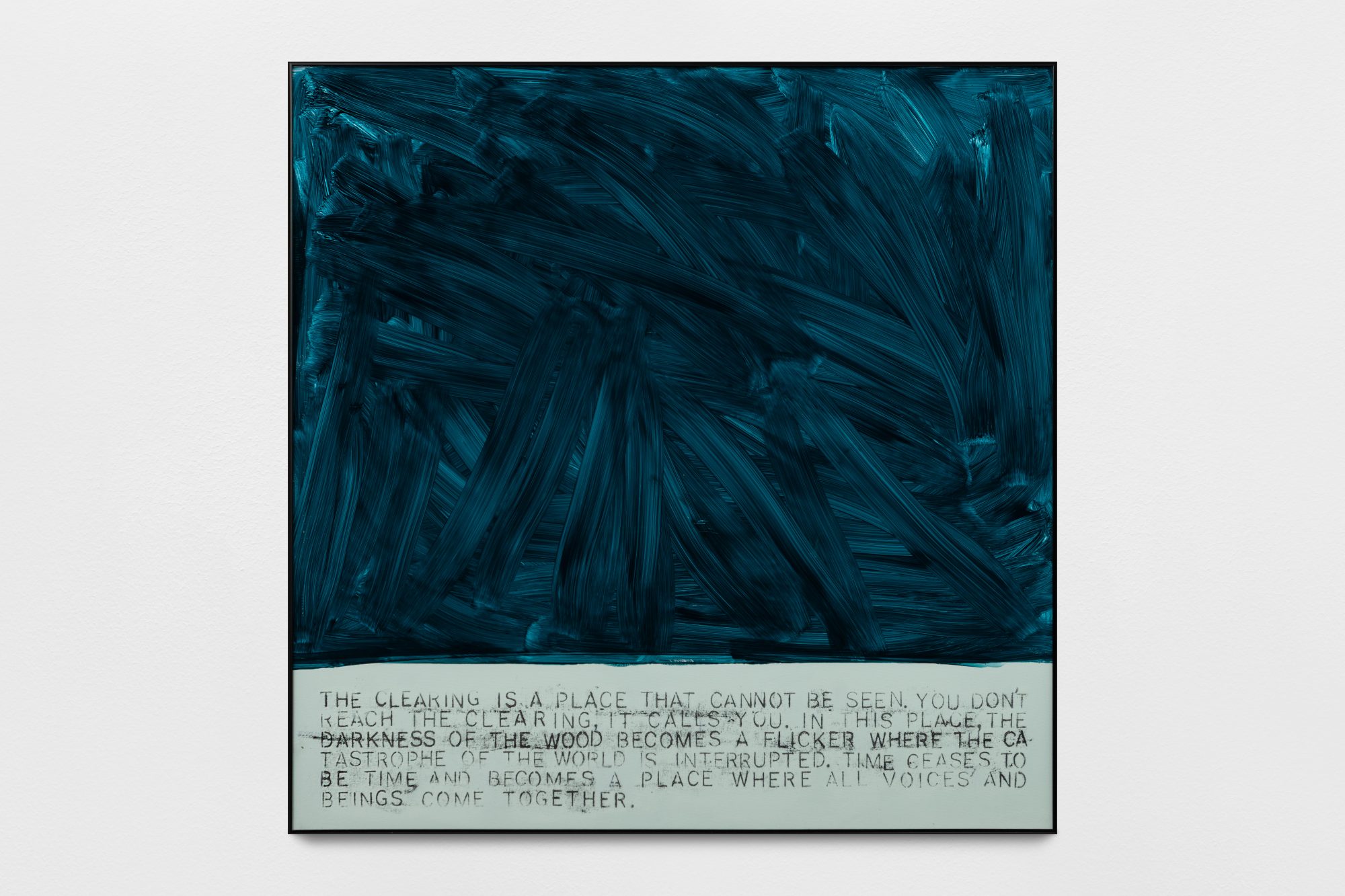
João Louro, The Clearing #13, 2025. Acrylic and plexiglass. 154 x 154 x 6,5 cm
Enquire
SUSANNE S. D. THEMLITZ
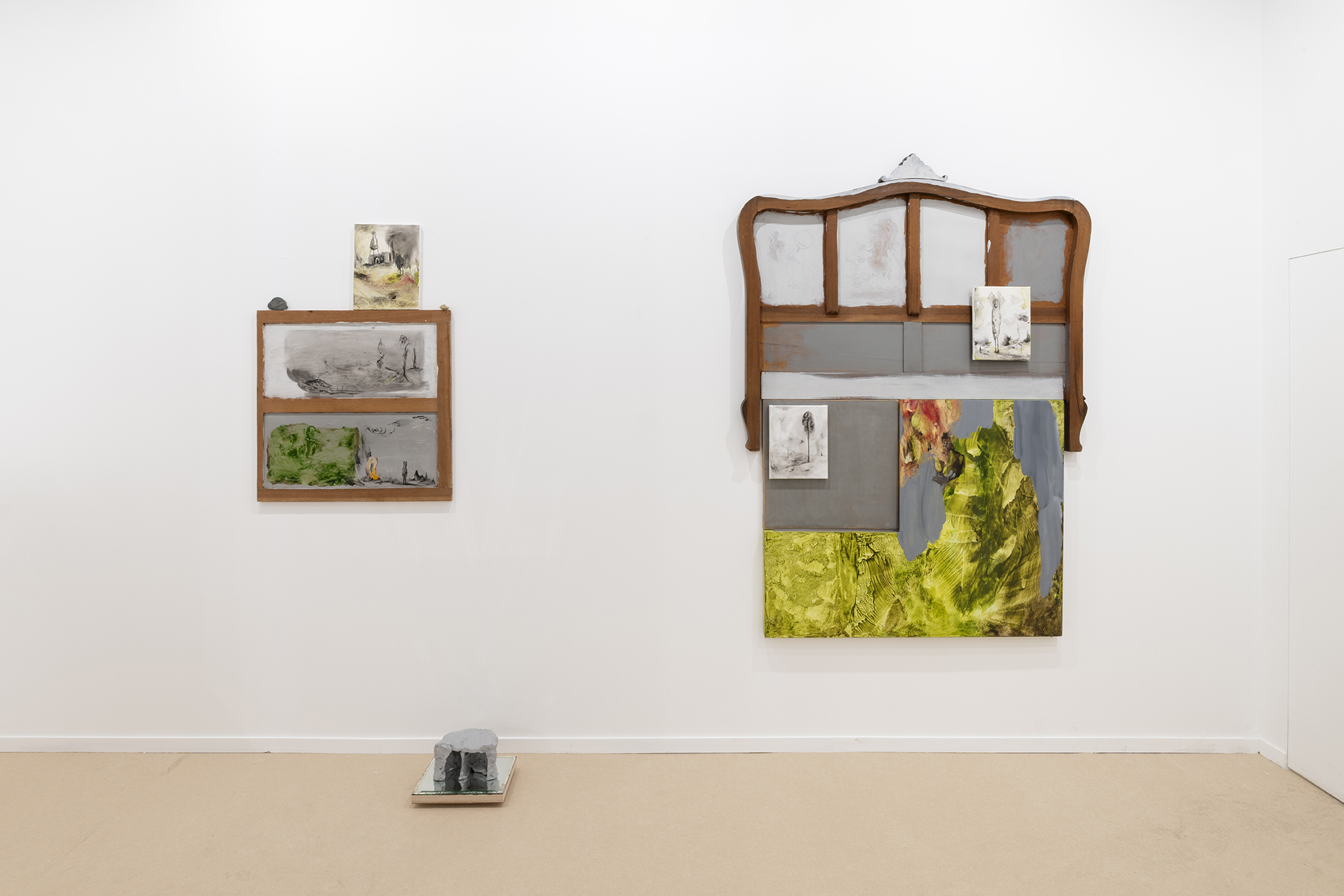
Susanne S. D. Themlitz (Lisbon, 1968) is an artist of Portuguese and German nationality who lives and works in Lisbon, Sintra, and Cologne. Between 1987 and 1995, she studied drawing and sculpture at Ar.Co – Centro de Arte e Comunicação Visual in Lisbon, studied at the Royal College of Art in London, and completed a master’s degree in visual arts at the Kunstakademie Düsseldorf. She has exhibited regularly since 1998 and is represented in several institutional and private collections. Over the years, her work developed into a poetic universe of great symbolism, in constant dialogue with art history, literature, natural sciences, popular traditions, and children’s stories. These references seldom become explicit in the imaginary landscapes and hybrid figures with which Themlitz creates environments of silent theatricality that summon the viewer, turned into an active participant in scenes where the visible and the hinted dialogue and enhance each other in the space of imagination and fiction.
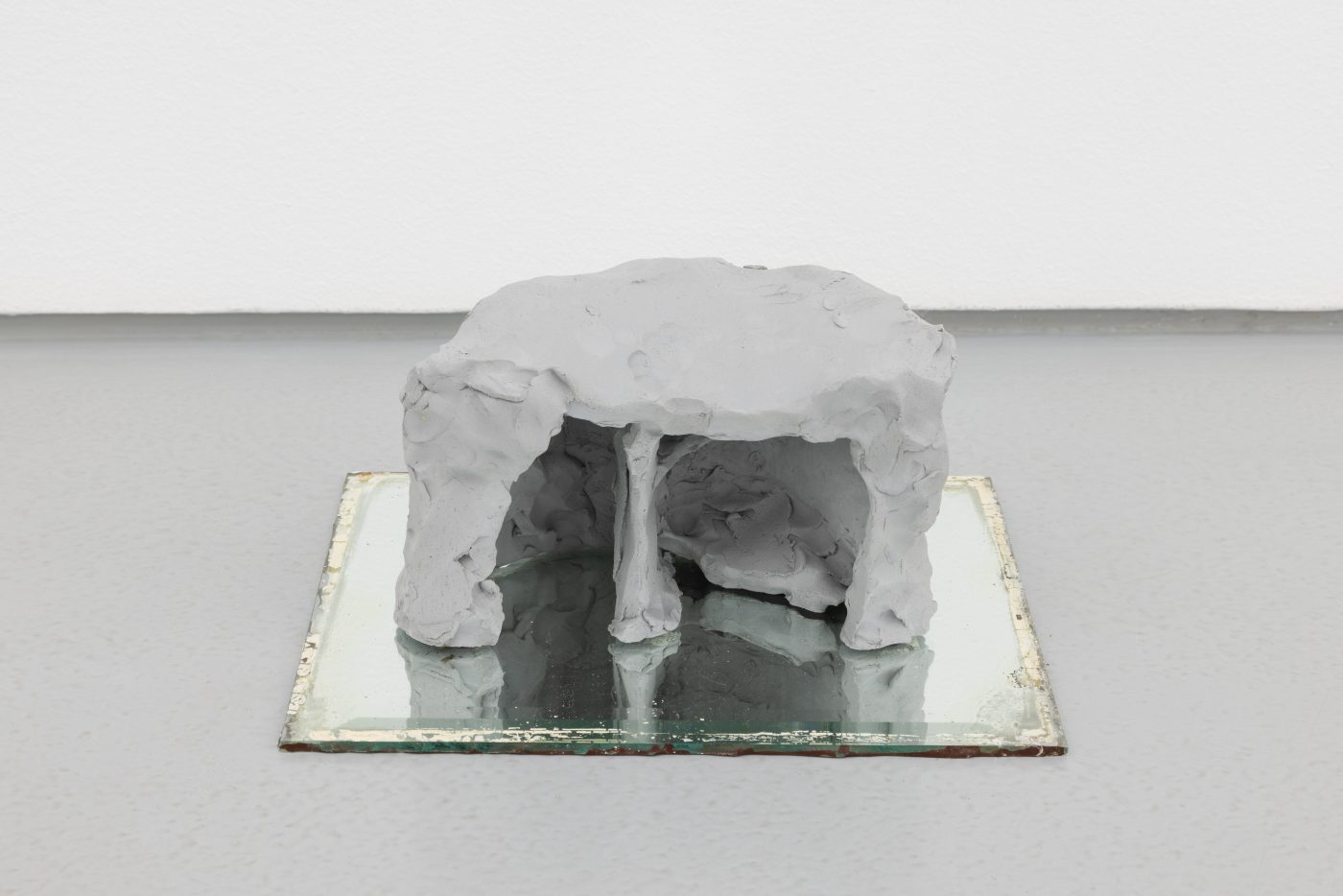
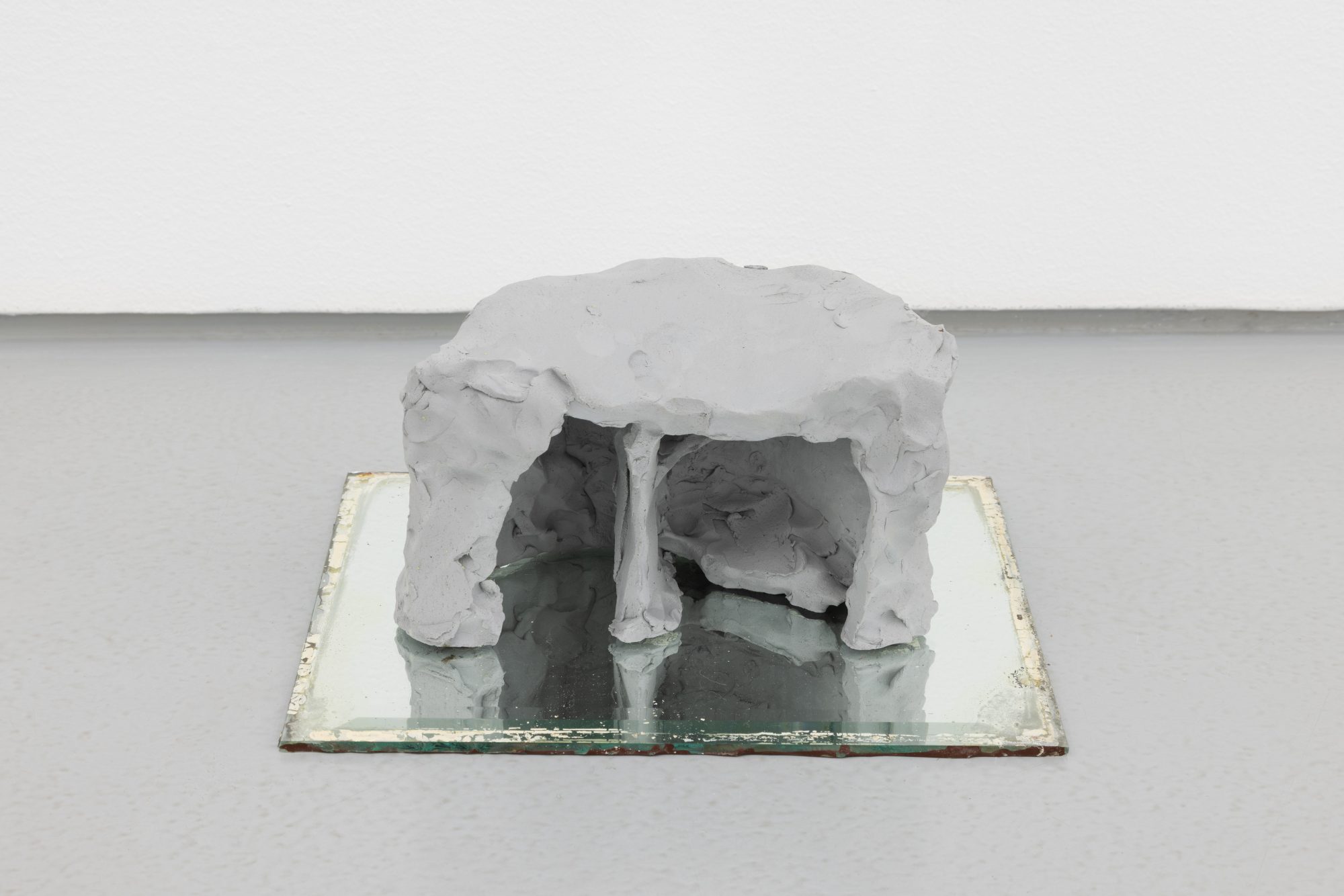
Susanne S. D. Themlitz, Shelter (Rorschach), 2025. Ceramic, mirror with ink. 33 x 27 x 14 cm.
Enquire
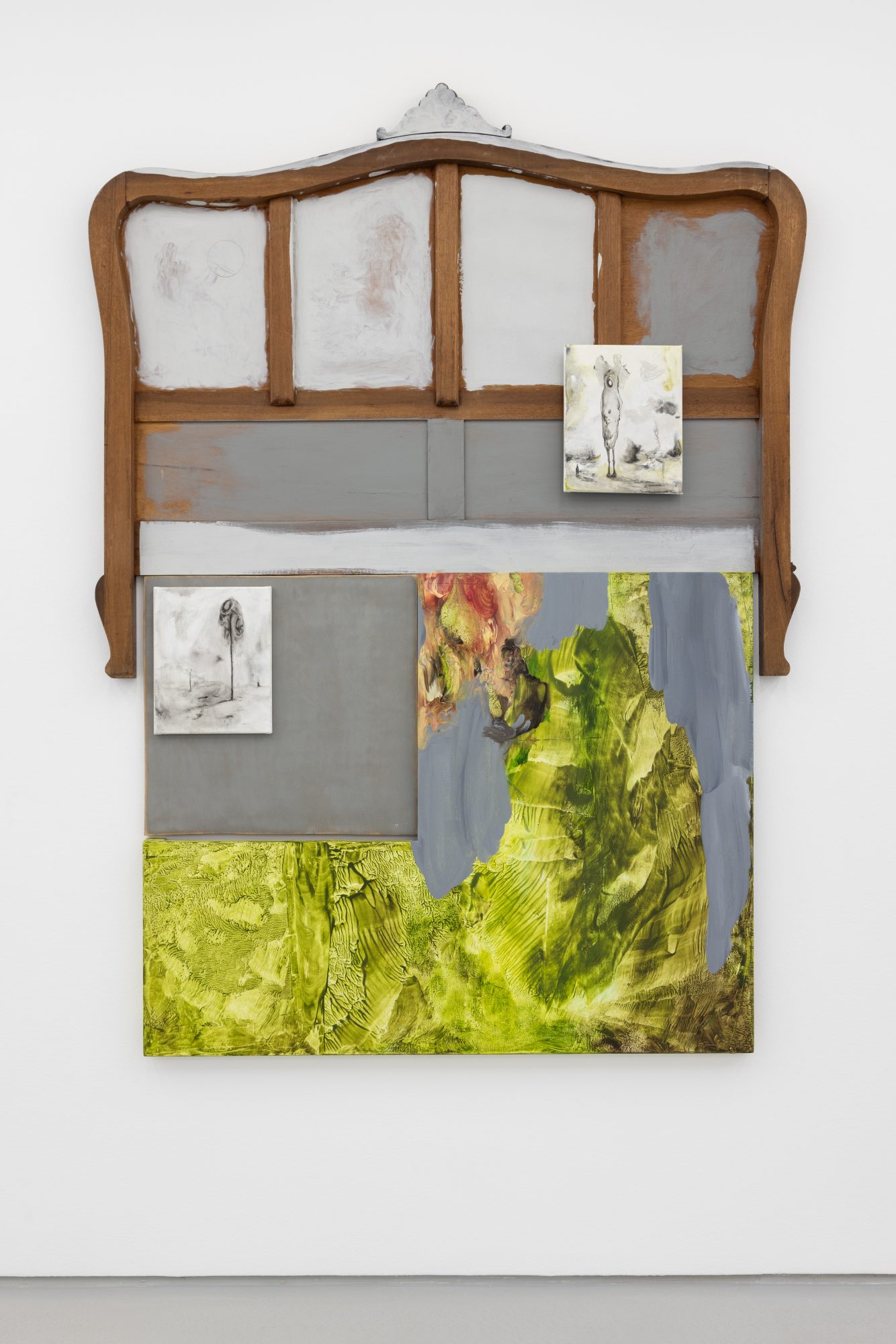
Susanne S. D. Themlitz, The State of Aggregation and Interaction/ Estado de agregação e interação, 2025. Oil and acrylic on wood and canvas. 198 x 143 x 5 cm.
Enquire
Susanne S. D. Themlitz
Natural History, 2026
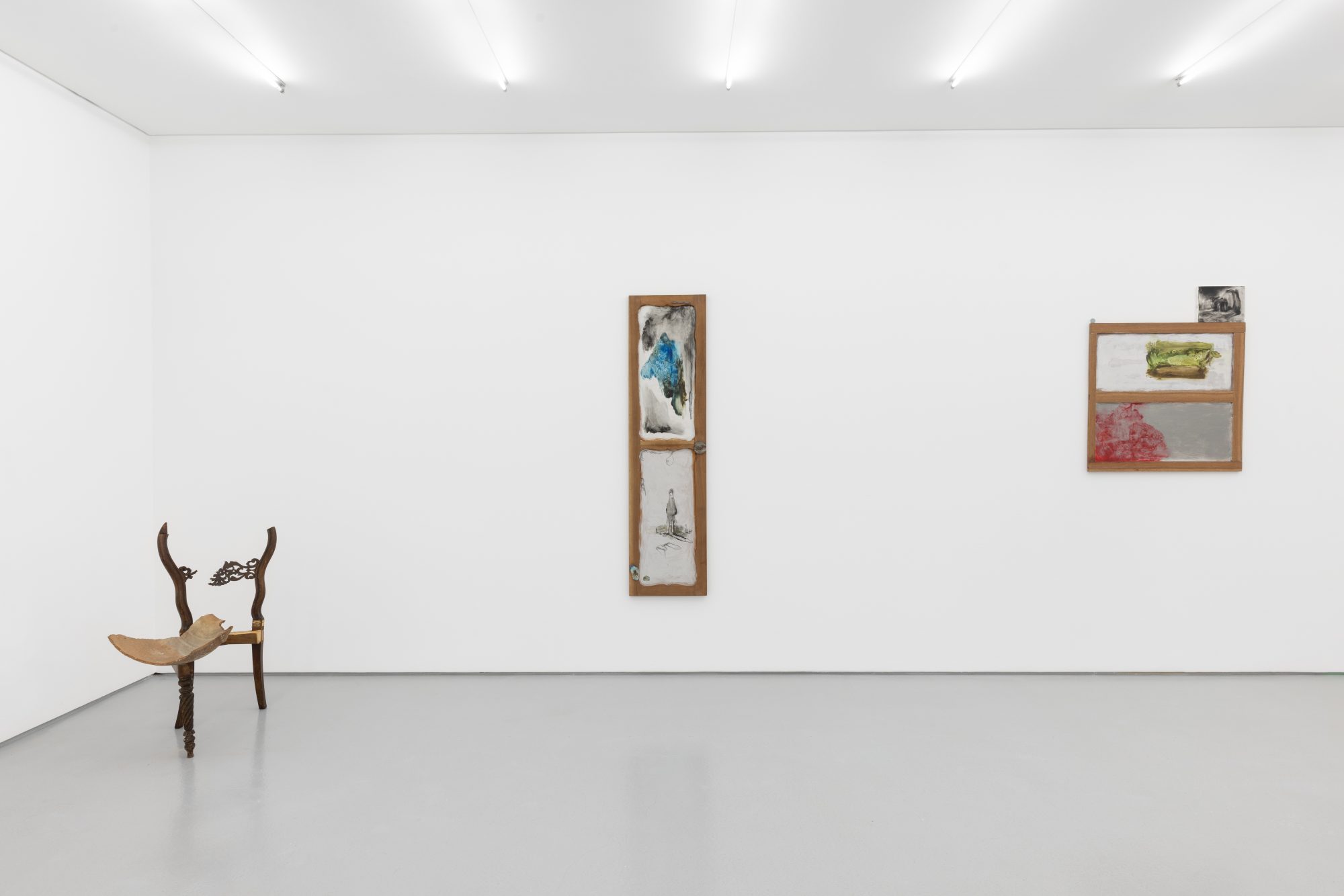
Exhibition view: Susanne S. D. Themlitz, Natural History, 2025.
Enquire
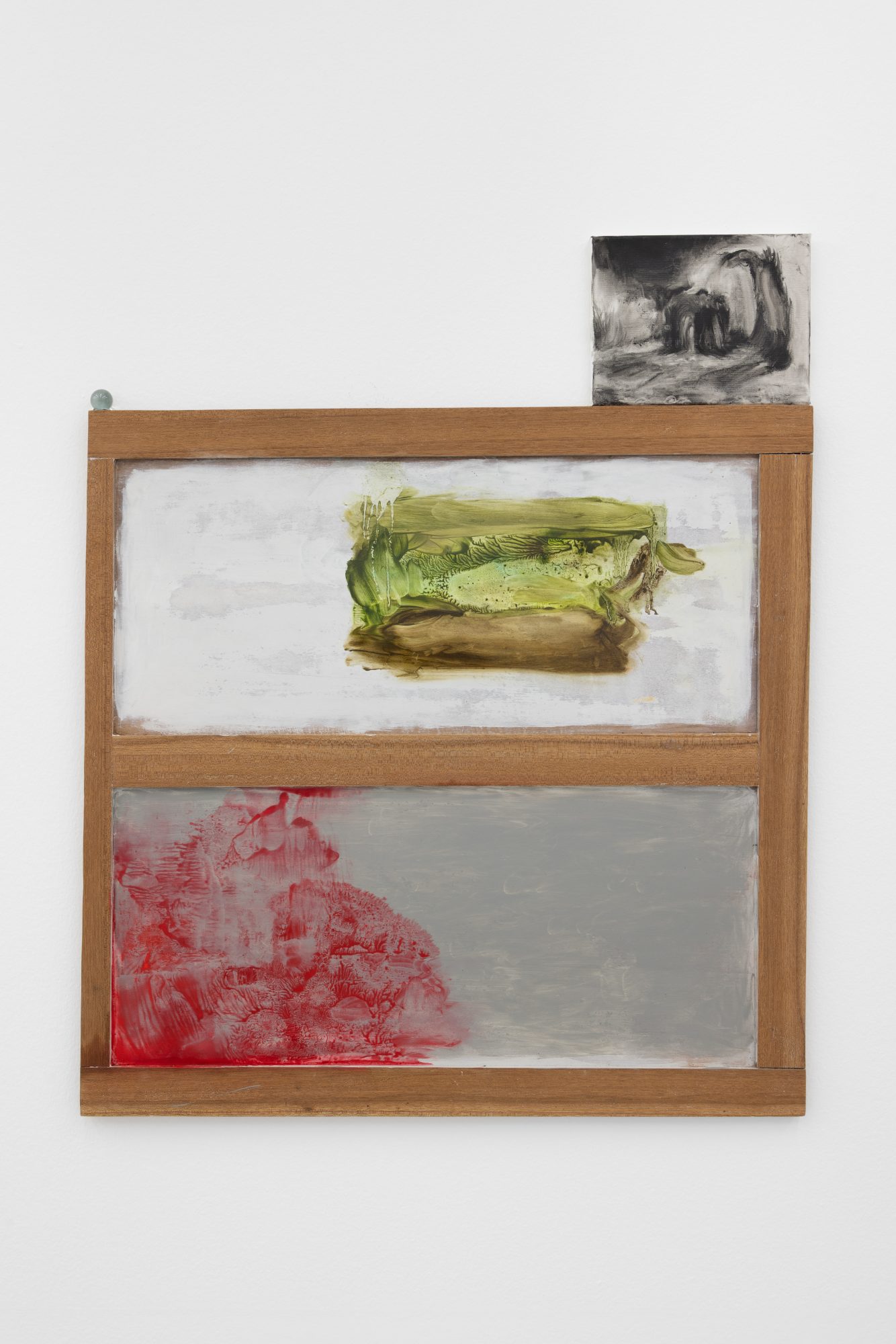
Susanne S. D. Themlitz, Monomorphic System/ Sistema monomórfico, 2025. Oil and acrylic on wood and canvas, glass ball. 97 x 80 x 2 cm
Enquire
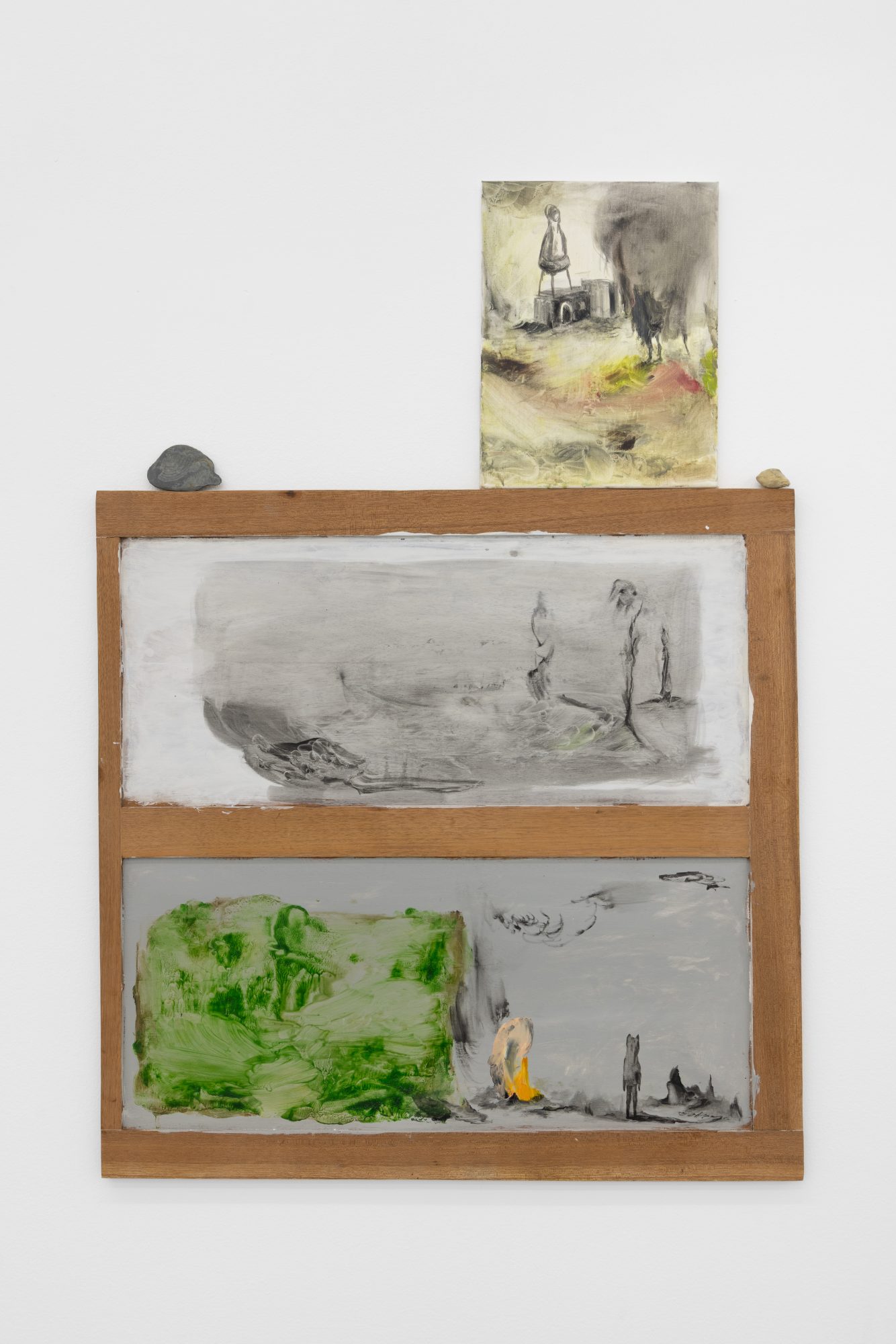
Susanne S. D. Themlitz, Ah ha, 2025. Oil and acrylic on wood and canvas, stones. 114 x 79,5 x 2 cm
Enquire
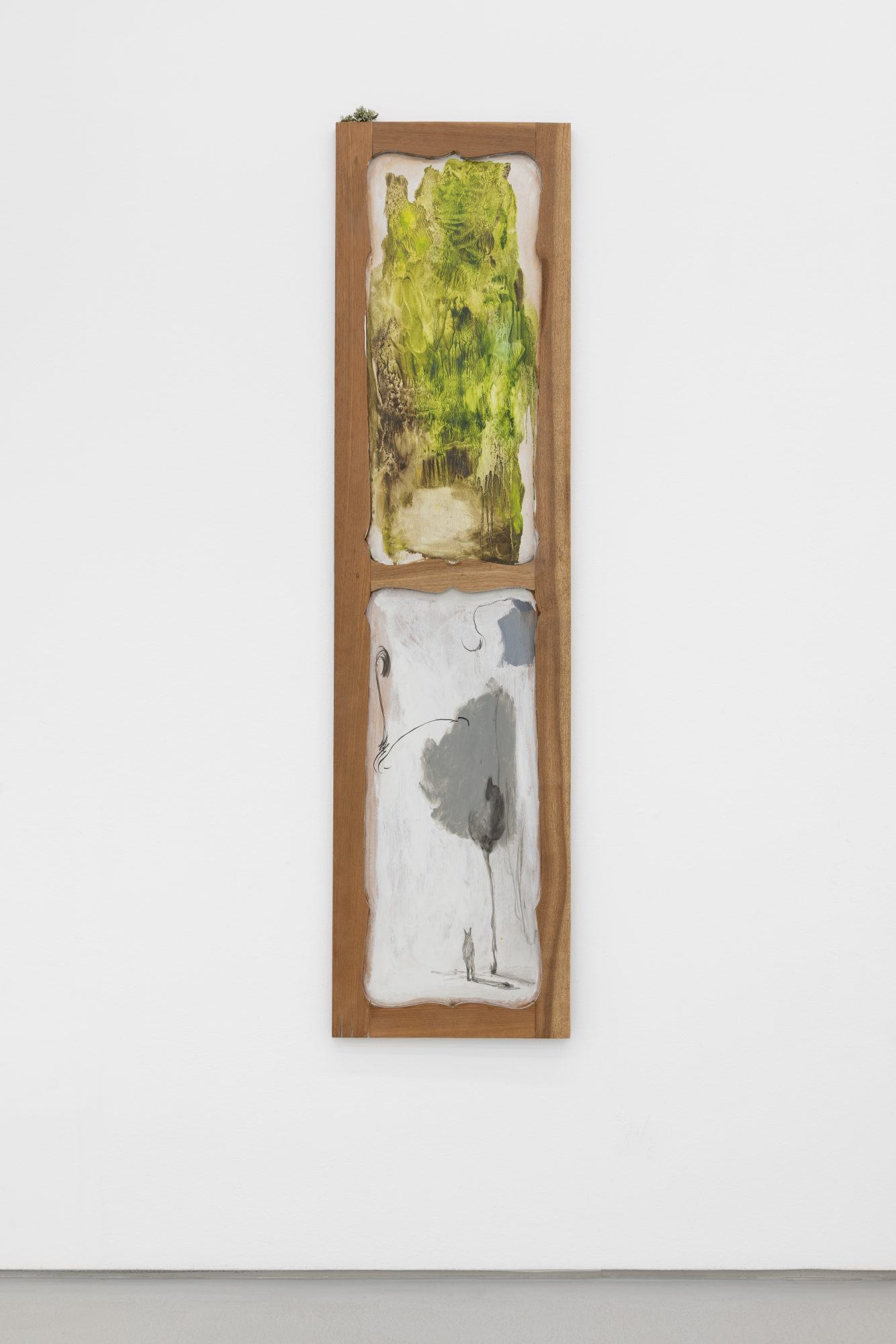
Susanne S. D. Themlitz, Natural Process/ Processo natural, 2025. Oil, acrylic and lichen on wood. 162 x 41 x 2 cm
Enquire
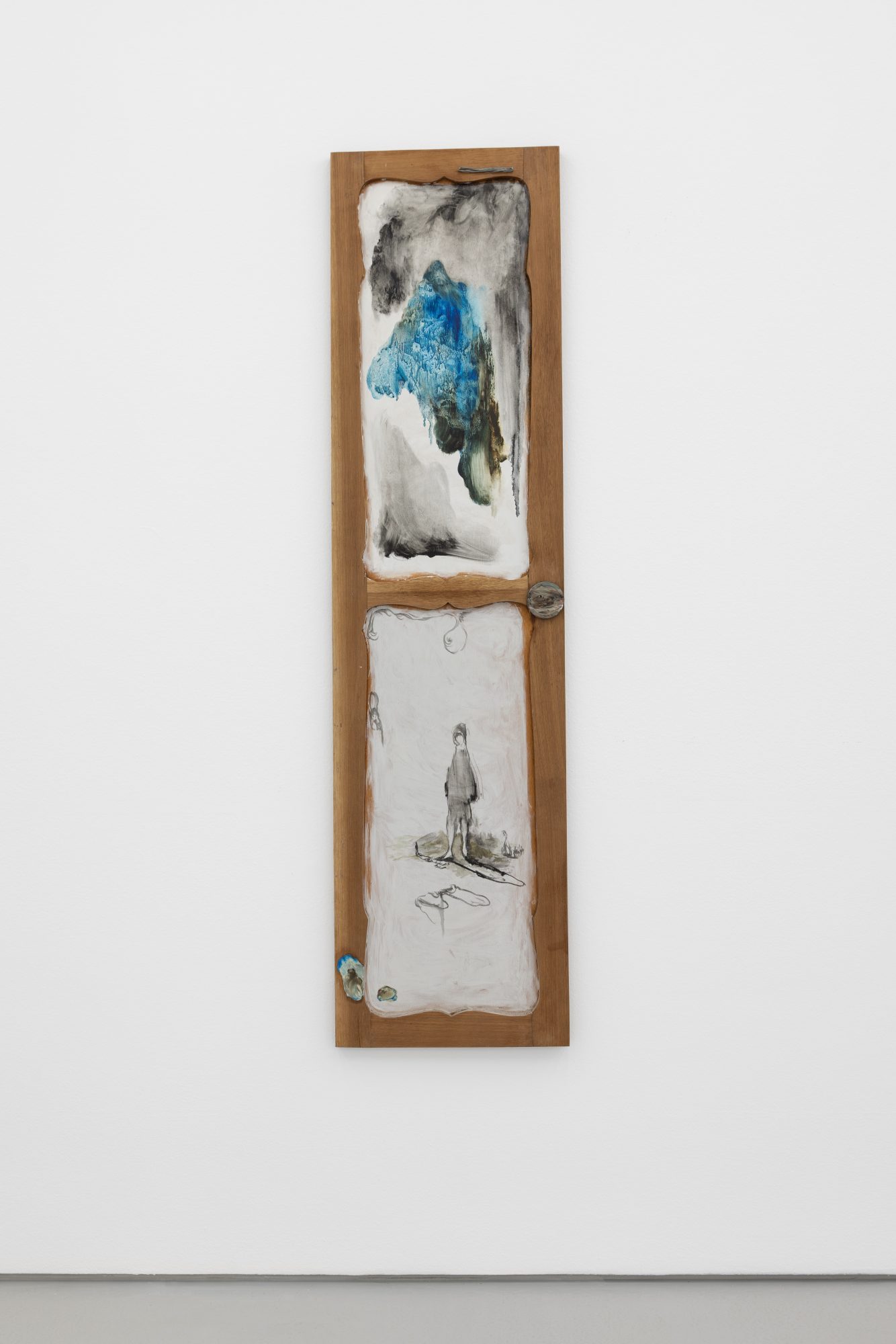
Susanne S. D. Themlitz, Flowers Appear, 2025. Oil and acrylic on wood and metal, nails, wire. 159 x 41 x 2 cm.
Enquire
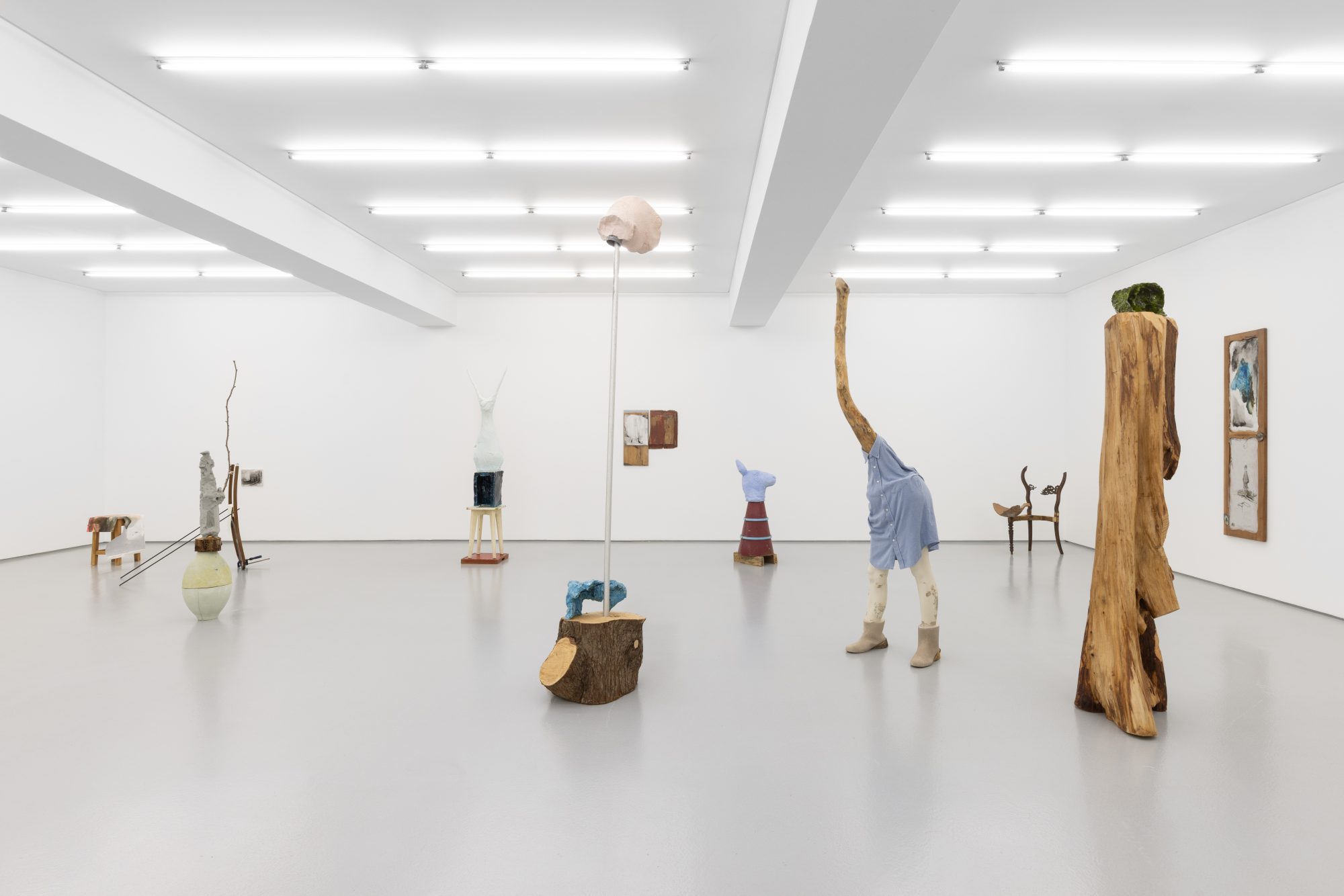
Susanne S. D. Themlitz, Natural History.
Enquire