A latent world
Those who wait have a special relationship with time. Waiting involves a dual process of accumulation and relaxation of minutes which, depending on the circumstances, can give rise to either irritation or a pleasant experience. In another sense, it can be said that waiting results from an expectation that feeds itself, but which is transformed through gestures, objects, people, or words that appear throughout the process. Waiting for Godot, for example, feeds on the transformation brought about by the expectation of fulfillment, but it also feeds on the emptiness and desperate immobility of a closed circuit.
Um mundo em estado latente
Quem espera tem uma relação particular com o tempo. Há na espera um duplo processo de acumulação e distensão dos minutos que, dependendo das circunstâncias, tanto pode dar origem à irritação quanto a uma experiência prazerosa. Num outro sentido, pode dizer-se que a espera resulta de uma expectativa que se alimenta a si própria, mas que se transfigura por intermédio dos gestos, dos objectos, das pessoas ou das palavras que vão aparecendo ao longo do processo. A espera por Godot, por exemplo, alimenta-se da transfiguração operada pela expectativa de preenchimento, mas também se alimenta do vazio e da imobilidade desesperante de um circuito fechado.
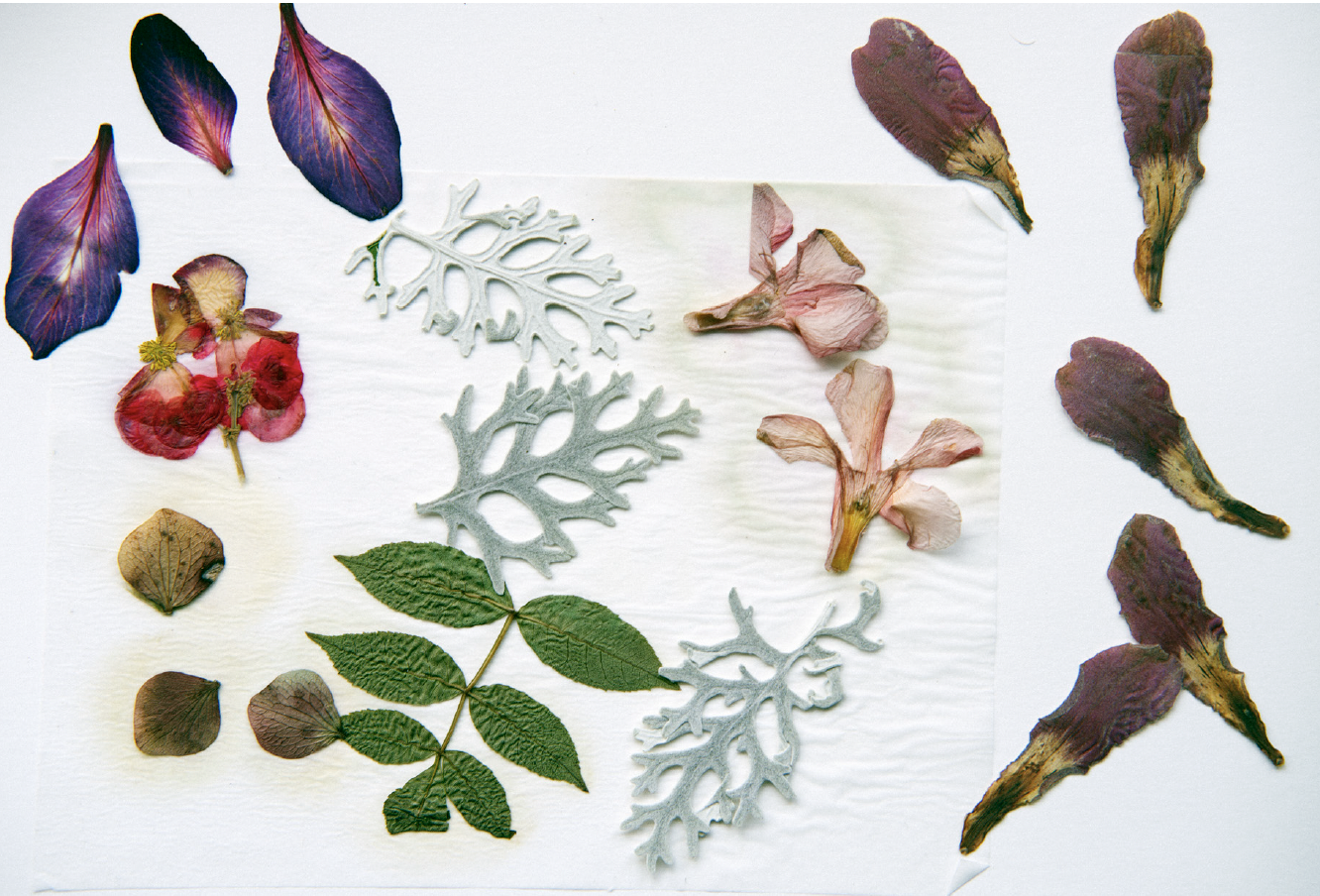
Daniel Blaufuks, The Enumeration of the Elements II (From the Garden of Calouste Gulbenkian), 2026. Inkjet print on paper. 100 x 150 x 3,5 cm. Ed. 3
Enquire
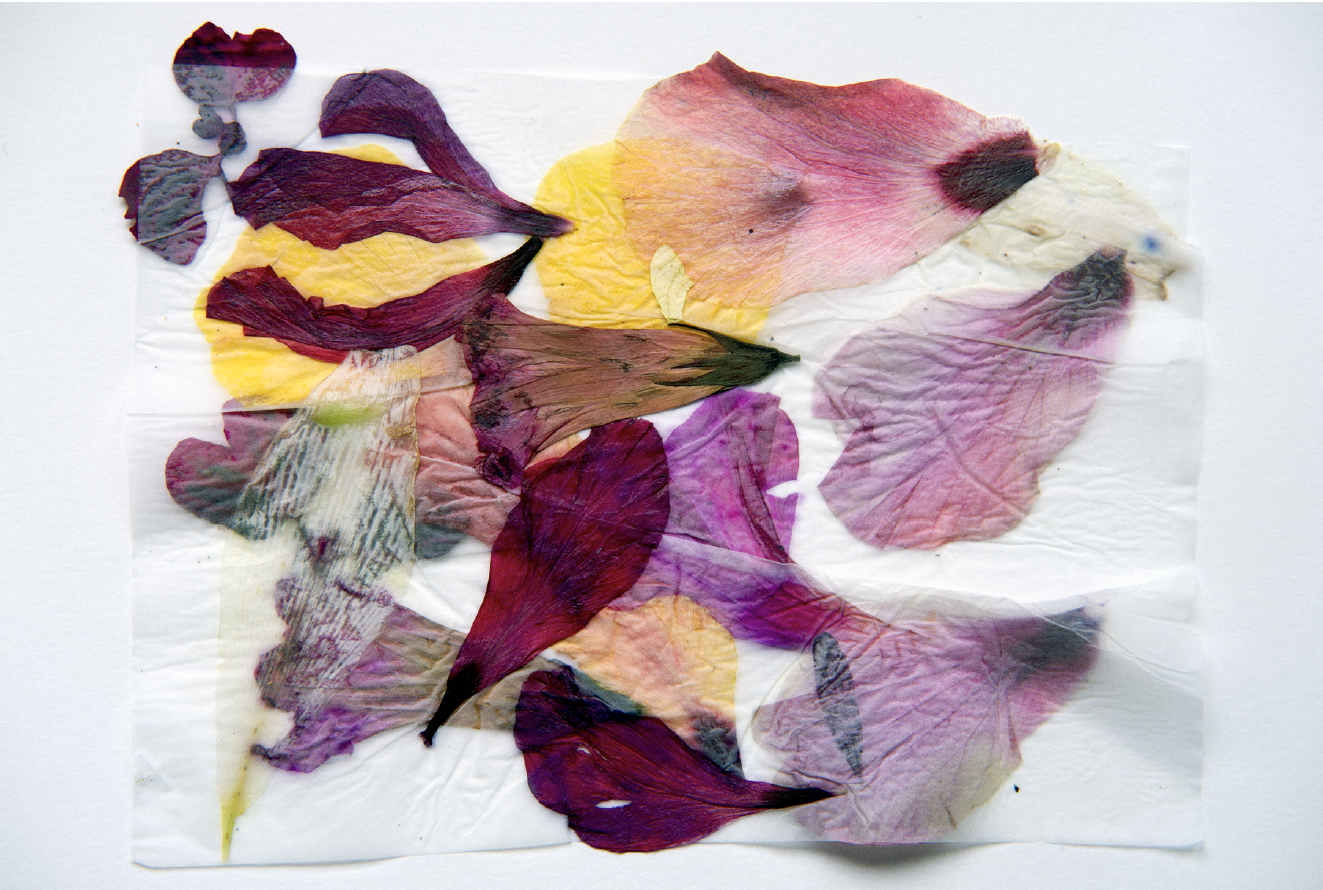
Daniel Blaufuks, A Enumeração dos Elementos I (Do Jardim de Ana Vieira)/ The Enumeration of the Elements I (From the Garden of Ana Vieira), 2026. Inkjet print on paper. 100 x 150 x 3,5 cm. Ed. 3
Enquire
If we leave the strict psychological experience of waiting and enter the field of history, this notion also comes to encompass the inscription of human life in a given era, the horizons of meaning that guide individual and collective expectations. Those who (still) wait absorb these different temporal dimensions, even if they cannot outline all the contours of their situation.
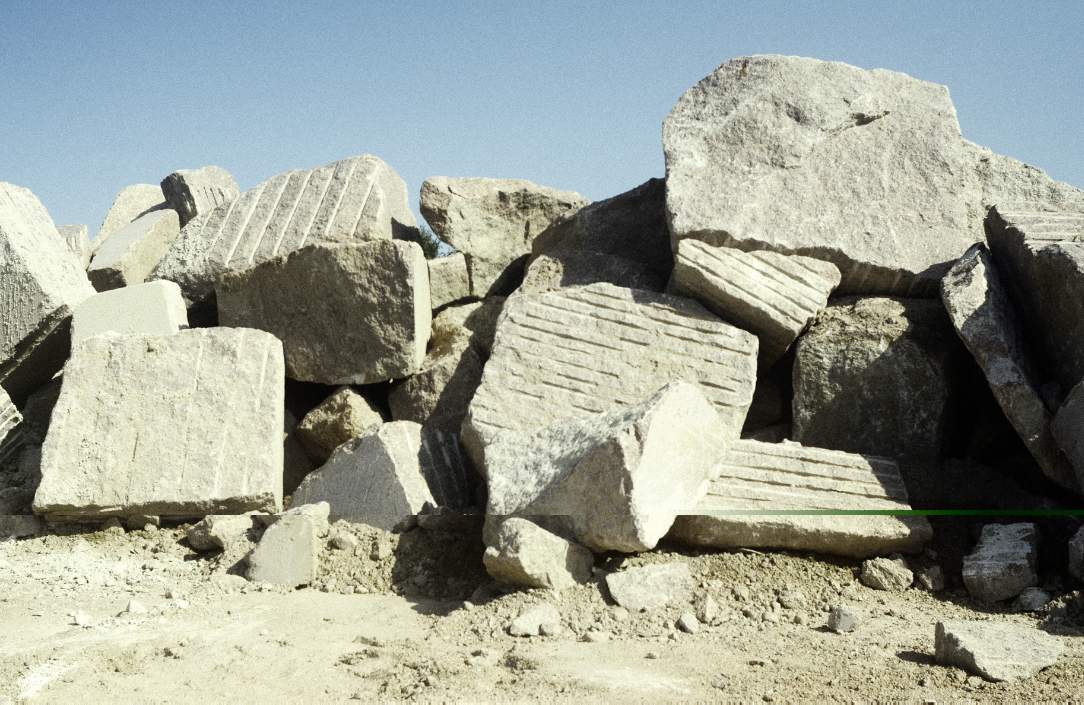
Daniel Blaufuks, O Fim do Capitalismo ou o Fim da Civilização / The End of Capitalism or the End of Civilization, 2026. Inkjet print on paper. 50 x 75 x 3,5 cm. Ed.
Enquire
Se sairmos da estrita vivência psicológica da espera e entrarmos no campo da história, esta noção passa a compreender também a inscrição da vida humana numa determinada época, os horizontes de sentido que norteiam as expectativas individuais e colectivas. Quem (ainda) espera absorve estas diferentes dimensões temporais, mesmo que não consiga delinear todos os contornos da sua situação.
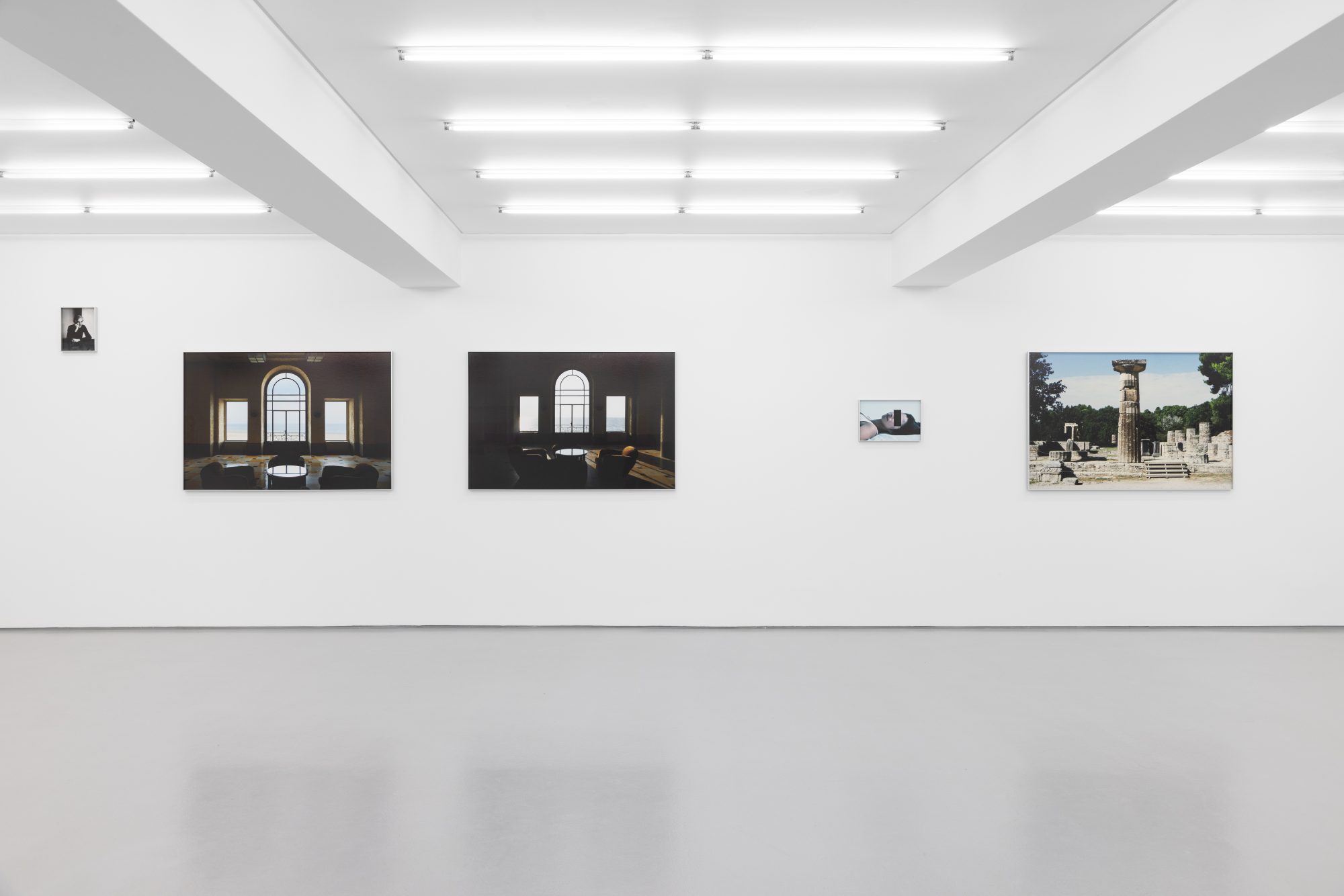
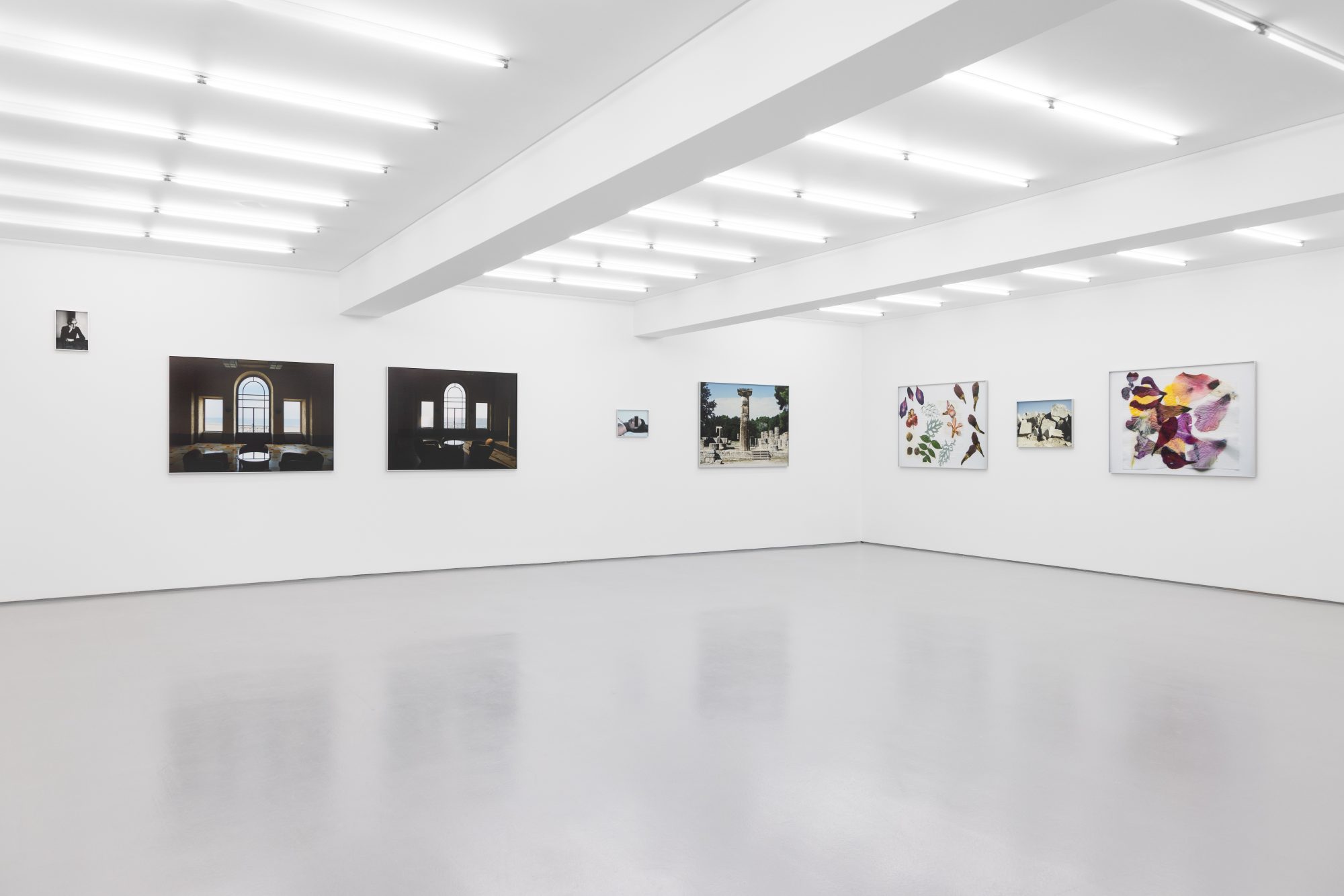
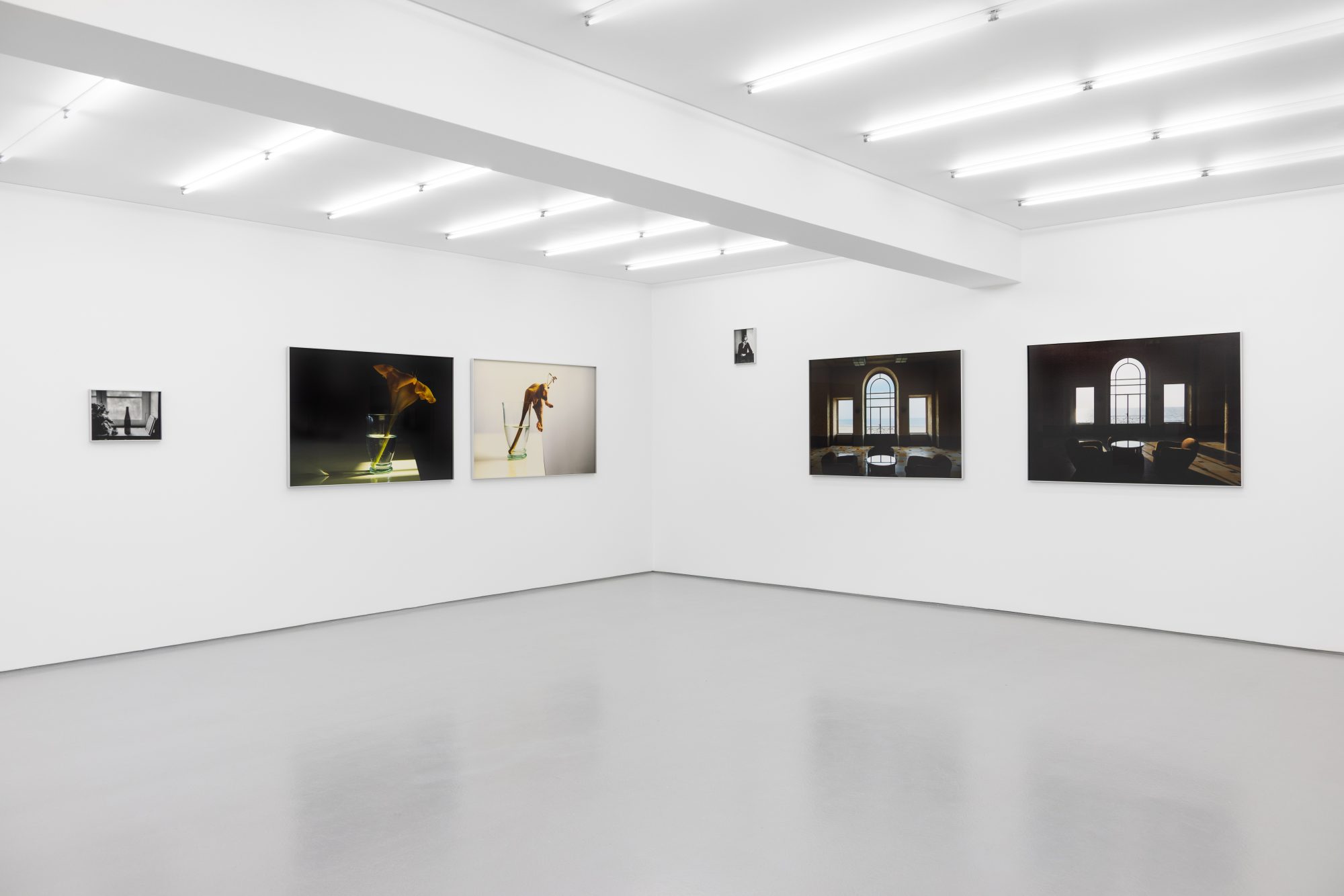
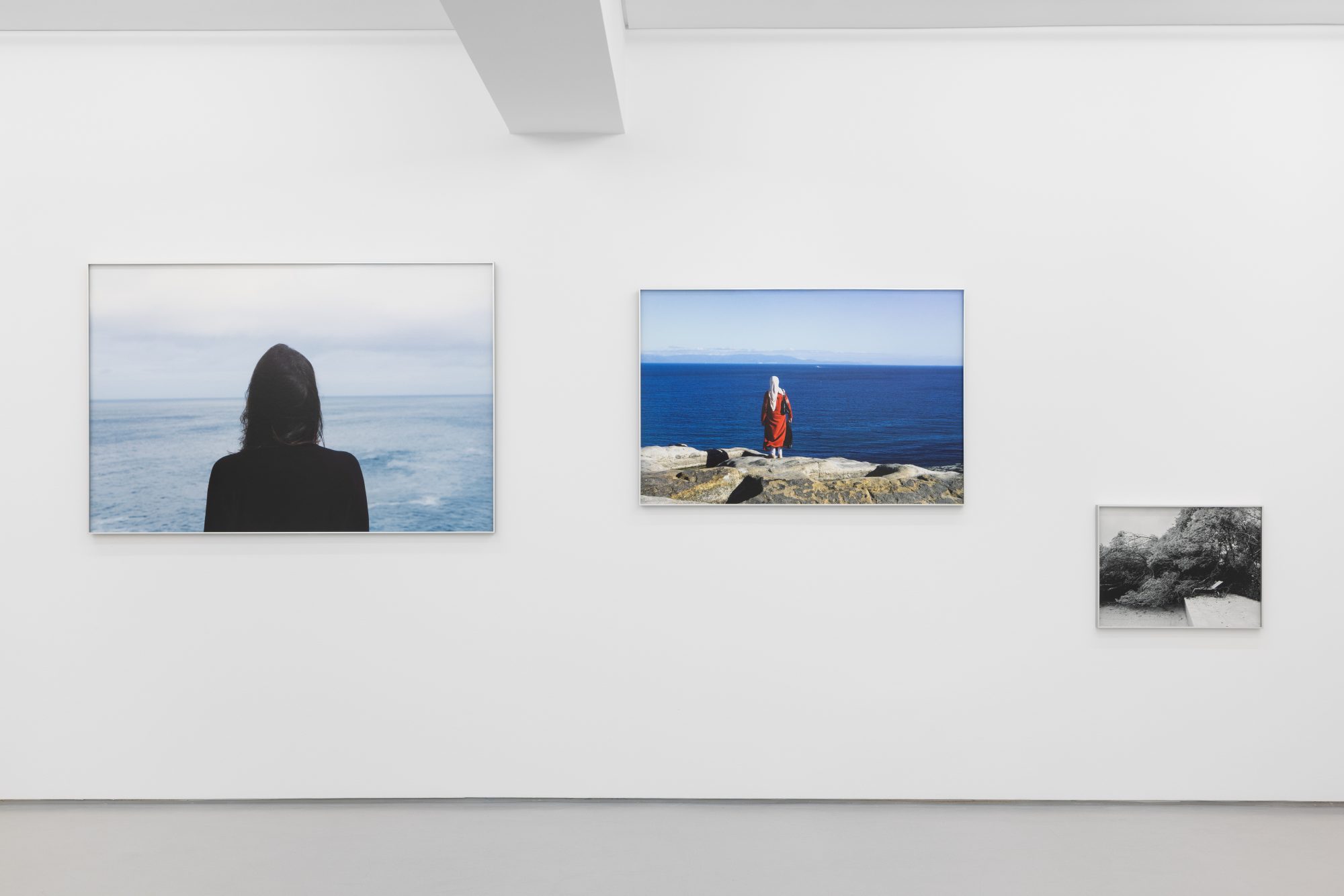
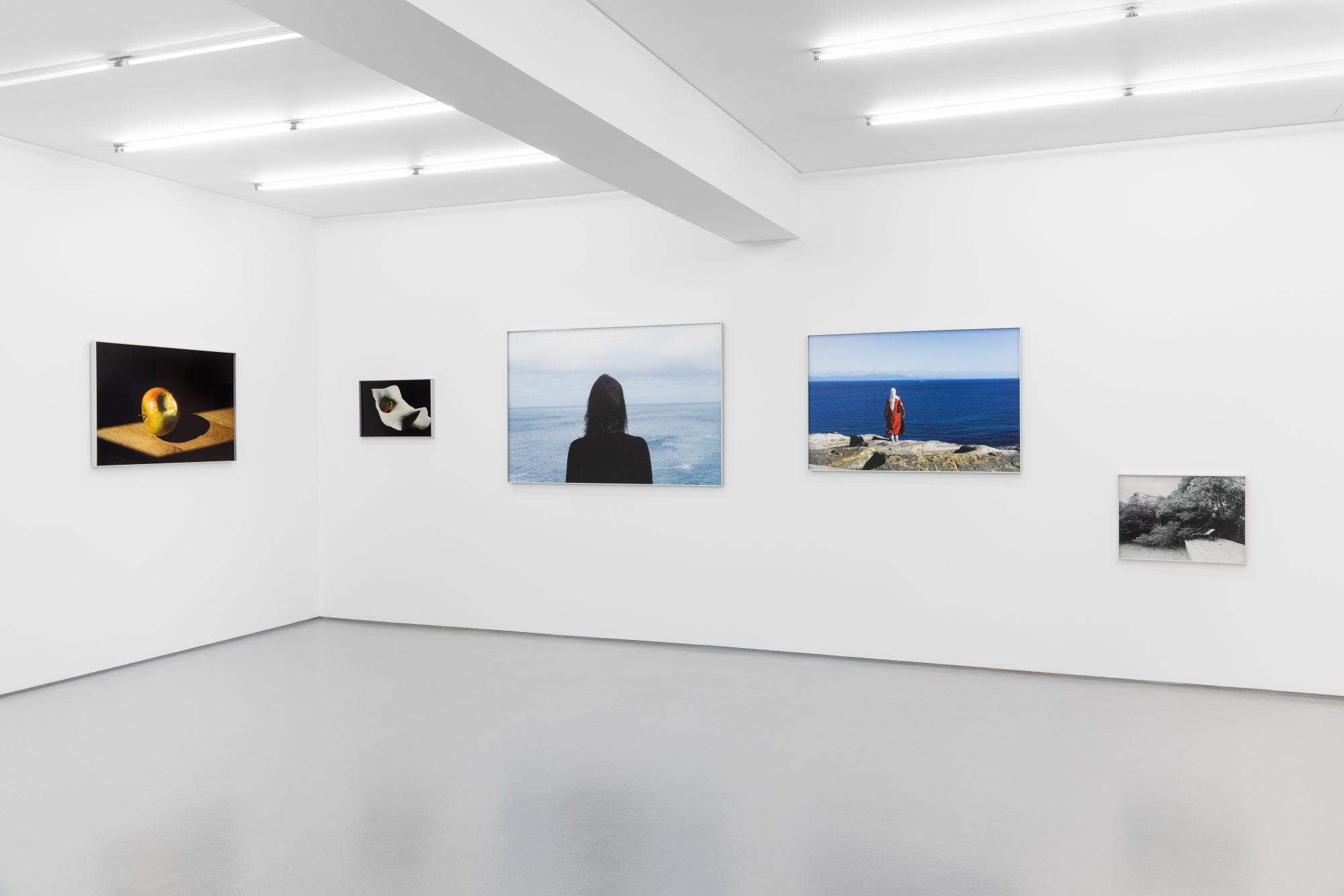
These introductory words serve as a vestibule to the room Daniel Blaufuks has prepared for us. Before we enter, let us recall one of his previous exhibitions. In Panorama (2023), the contiguity between the images created a horizon, a reconstructed world that we could traverse with our gaze, eventually from a point in the middle of the room. If this point invited us to keep our distance, it also ended up favoring vertigo, a harbinger of the fall. Hence its ironic developments. On the other hand, the horizon did not aim at stability or the comfort of the observer, but disoriented in the same movement in which each image, by demanding attention, created an attractive dissonance with the others. (Still) Waiting for Godot continues to work with images that reject easy relationships and question the observer’s place, but the exhibition procedure takes the fragmentation of the world further, starting with the arrangement of the photographs and the different formats used.
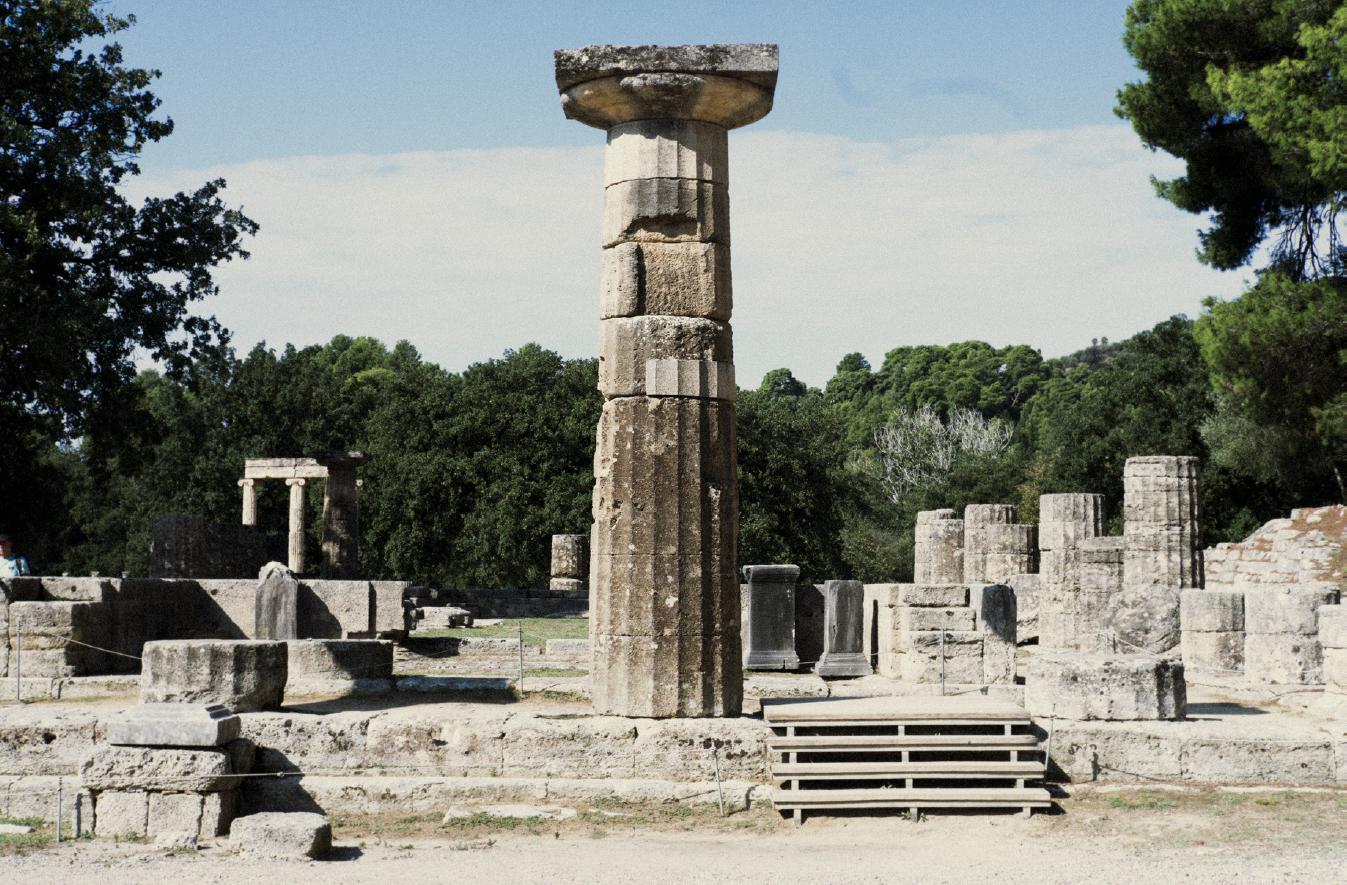
Daniel Blaufuks, A Esperança no Mundo (Olympia) / The Hope in the World (Olympia), 2026. Inkjet print on paper. 100 x 150 x 3,5 cm. Ed. 3
Enquire
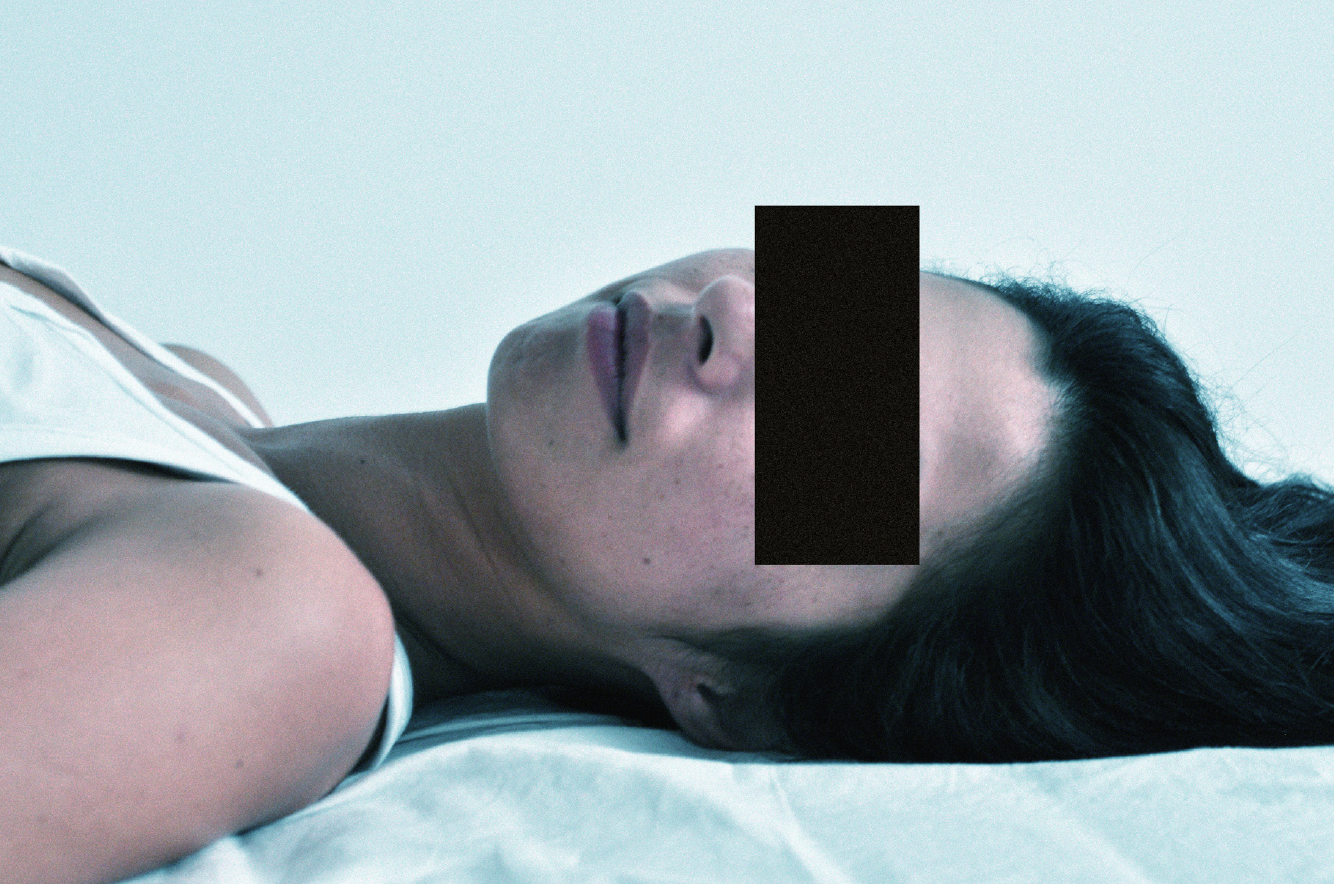
Daniel Blaufuks, Esperança Cega / Blind Hope, 2026. Inkjet print on paper. 30 x 45 x 3,5 cm. Ed. 3
Enquire
Estas palavras introdutórias servem como vestíbulo da sala que Daniel Blaufuks nos preparou. Antes de entrarmos, recuperemos uma sua exposição anterior. Em Panorama (2023), a contiguidade entre as imagens criava um horizonte, um mundo reconstruído que podíamos percorrer com o olhar, eventualmente a partir de um ponto que se encontrava no meio da sala. Se este ponto convidava à boa distância, acabava por favorecer também a vertigem, prenúncio da queda. Daí os seus desdobramentos irónicos. Por outro lado, o horizonte não visava a estabilidade nem o conforto do observador, mas desorientava no mesmo movimento em que cada imagem, ao exigir atenção, criava uma atractiva dissonância com as restantes. (Ainda) à espera de Godot continua a trabalhar com imagens que recusam relações fáceis e com o questionamento do lugar do observador, mas o procedimento expositivo leva mais longe a fragmentação do mundo, desde logo por via da disposição das fotografias e dos diferentes formatos utilizados.
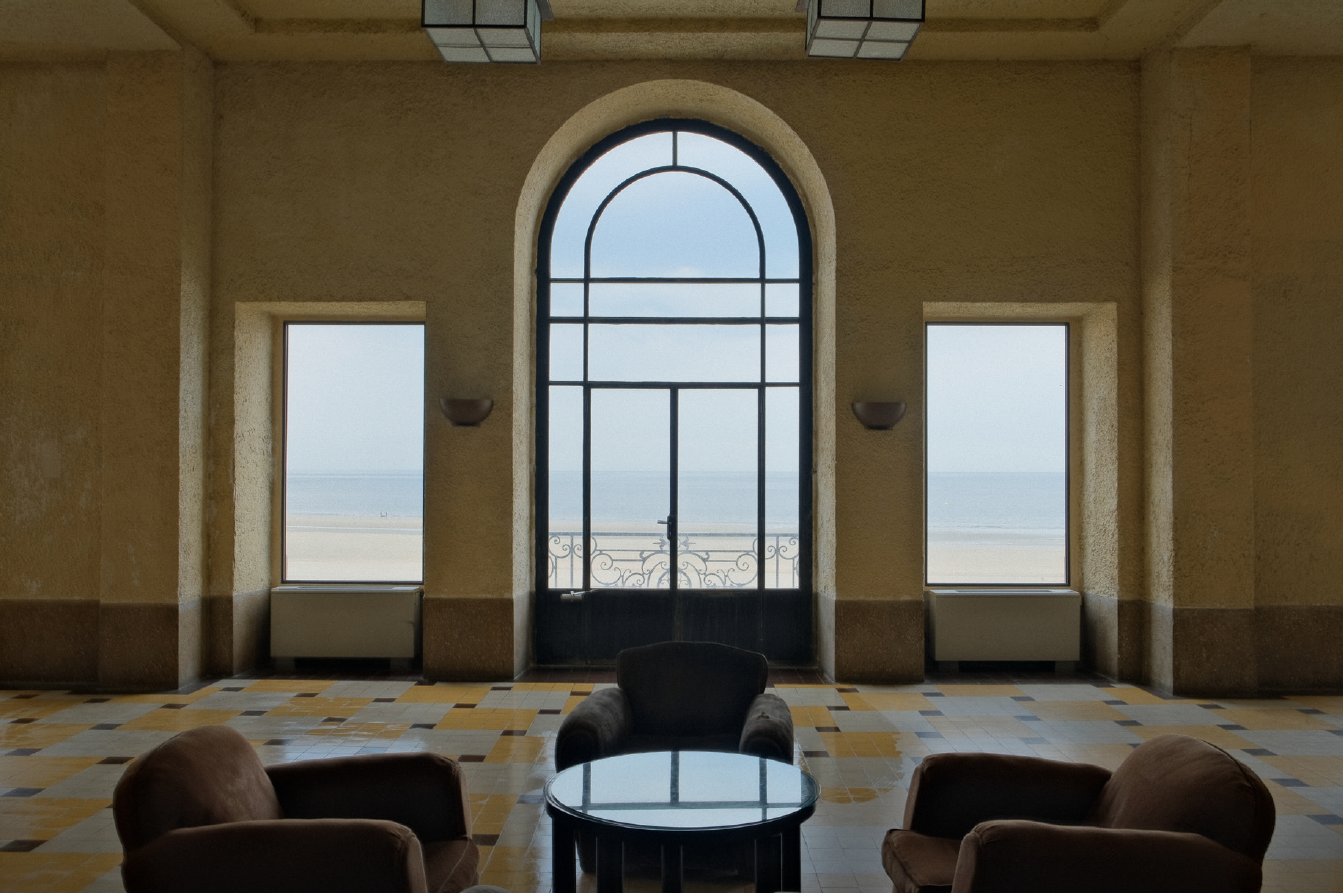
Daniel Blaufuks, A Sala de Espera (Les Roches Noires) I / The Waiting Room (Les Roches Noires) I, 2026. Inkjet print on paper. 100 x 150 x 3,5 cm. Ed. 3
Enquire
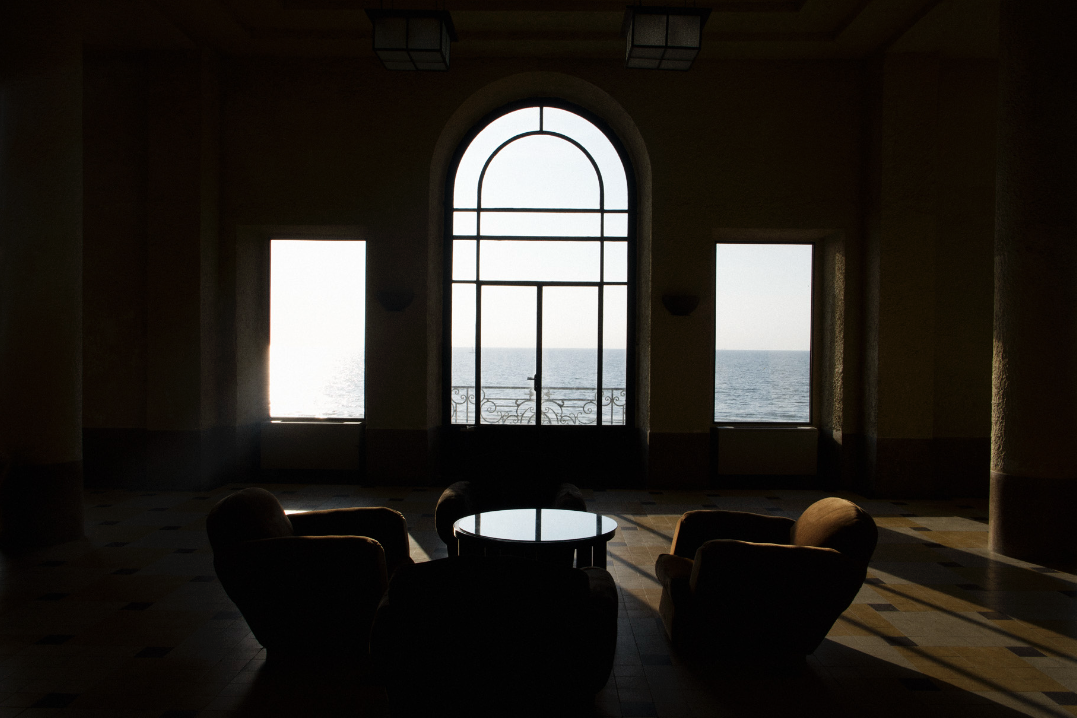
Daniel Blaufuks, A Sala de Espera (Les Roches Noires) I / The Waiting Room (Les Roches Noires) II, 2026. Inkjet print on paper. 100 x 150 x 3,5 cm. Ed. 3
Enquire
However, it also reveals a world in a latent state, even in photographs that cannot fail to speak to us of destructive forces and human disorder, elements that the temporal suspension of photography takes advantage of to create a singular tension. In its discontinuity, there is a certain aggregating urgency in this set of images, a desire to make increasingly visible the contours of a world that both desires and prevents the arrival of “Godot.”
Contudo, revela também um mundo em estado latente, mesmo nas fotografias que não podem deixar de nos falar de forças destrutivas e da desordem humana, elementos de que a suspensão temporal da fotografia se aproveita para criar uma singular tensão. Na sua descontinuidade, há neste conjunto de imagens uma qualquer urgência agregadora, uma vontade de tornar cada vez mais visíveis os contornos de um mundo que tanto deseja quanto impossibilita a chegada de “Godot”.
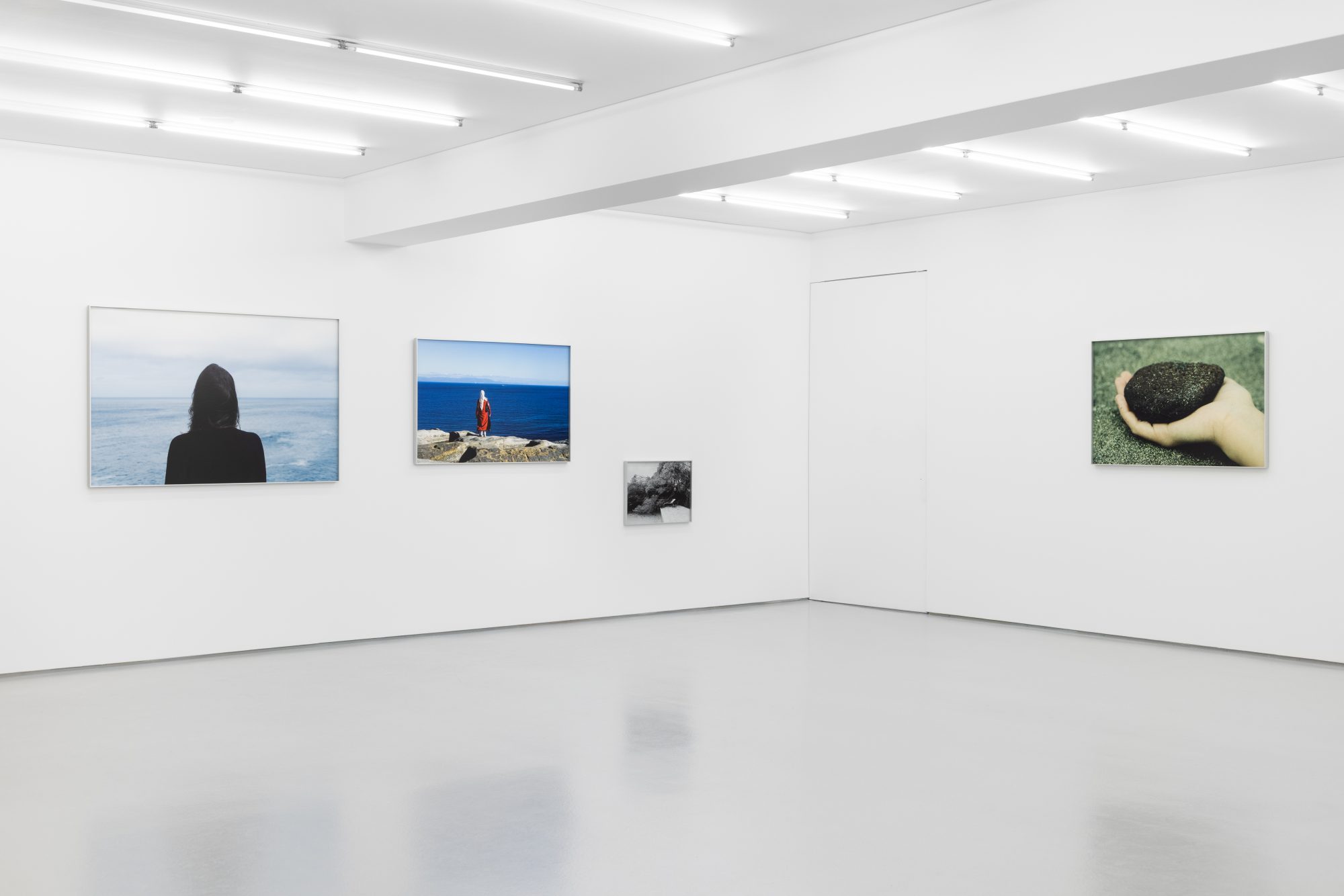
Walking through the exhibition, we glimpse secret threads enhanced by the montage, we hear whispers, we welcome unspoken words, we imagine gazes that can no longer be seen: one of these gazes depicts a man in a waiting posture immortalized by the photographic cut; the other, ostensibly covered by a ribbon, speaks to us of the veil of time and the emptiness it leaves behind. An ambiguity sets in: in her pictorial beauty, is that woman a kind of Medusa tamed by the photographer’s artifices? Or is she an inert, cold body resting in a morgue? Another woman waits with her back turned, her gaze does not appease us, we are not the center of her desires. The sea is expectation and passage, but not every sea voyage is an adventure and an epic, not every wait is rewarded by a return. Even when we return to the place where we were born or where we think we come from, sometimes we do not find a home.
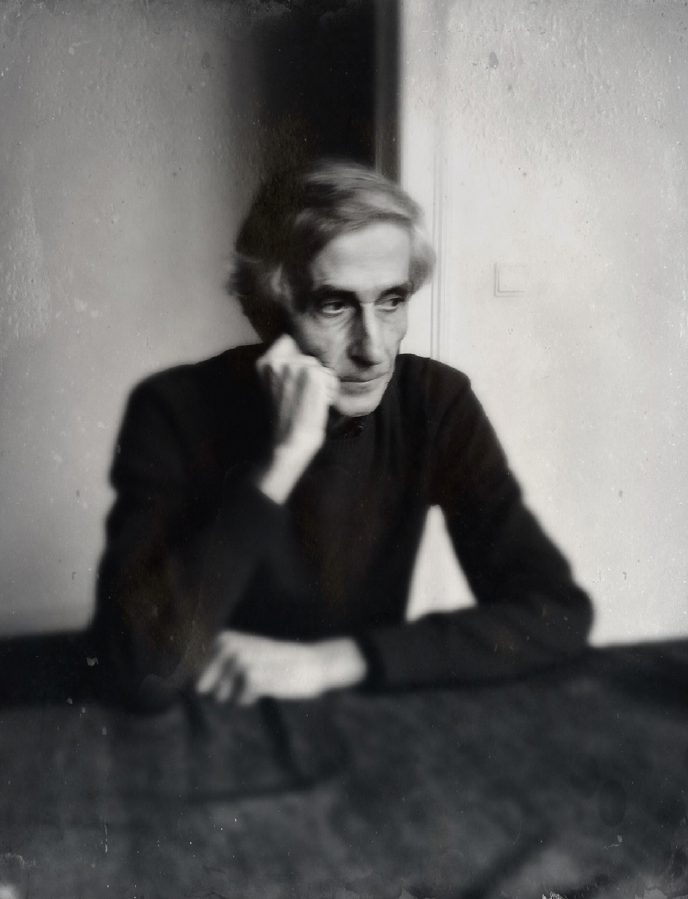
Daniel Blaufuks, A Espera / The Wait, 2026. Inkjet print on paper. 32 x 25 x 3,5 cm. Ed. 3
Enquire
Percorrendo a exposição, vislumbramos fios secretos potenciados pela montagem, escutamos murmúrios, acolhemos palavras não ditas, imaginamos olhares que já não podem ser vistos: um desses olhares retrata um homem numa postura de espera eternizada pela cesura fotográfica; o outro, ostensivamente coberto por uma fita, fala-nos do véu do tempo e do vazio que ele deixa. Instala-se uma ambiguidade: na sua beleza pictórica, será aquela mulher uma espécie de Medusa docilizada pelos artifícios do fotógrafo? Ou será um corpo inerte, frio, repousando numa morgue? Uma outra mulher espera de costas, o seu olhar não nos apazigua, não somos nós o centro dos seus anelos. O mar é expectativa e passagem, mas nem toda a viagem marítima é aventura e epopeia, nem toda a espera é recompensada por um regresso. Mesmo regressados ao lugar onde nascemos ou de onde julgamos vir, por vezes não encontramos lar.
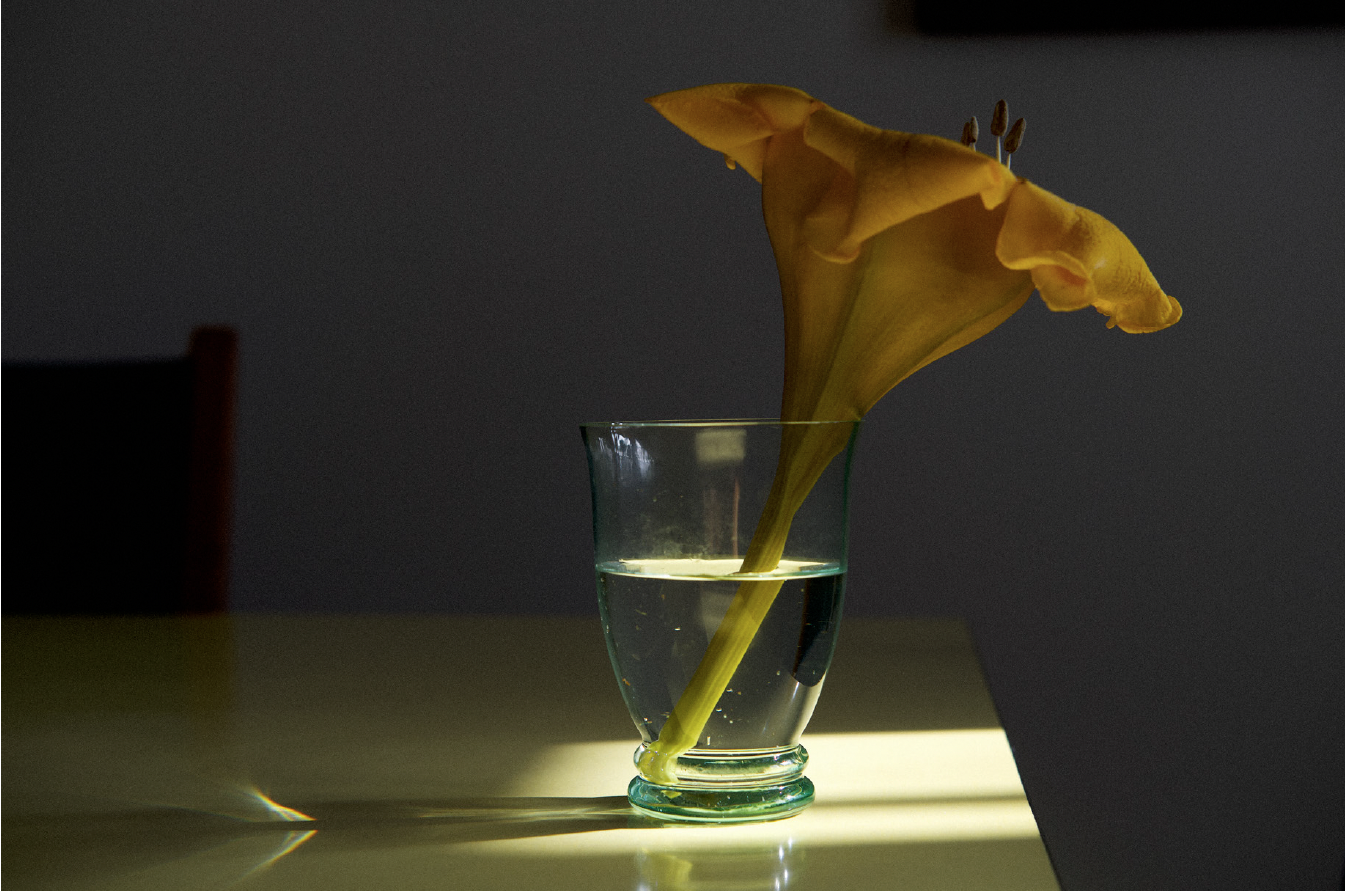
Daniel Blaufuks, O Regresso de Tânger (Solandra Grandiflora) I / The Return from Tangiers (Solandra Grandiflora) I, 2026. Inkjet print on paper. 100 x 150 x 3,5 cm. Ed. 3
Enquire
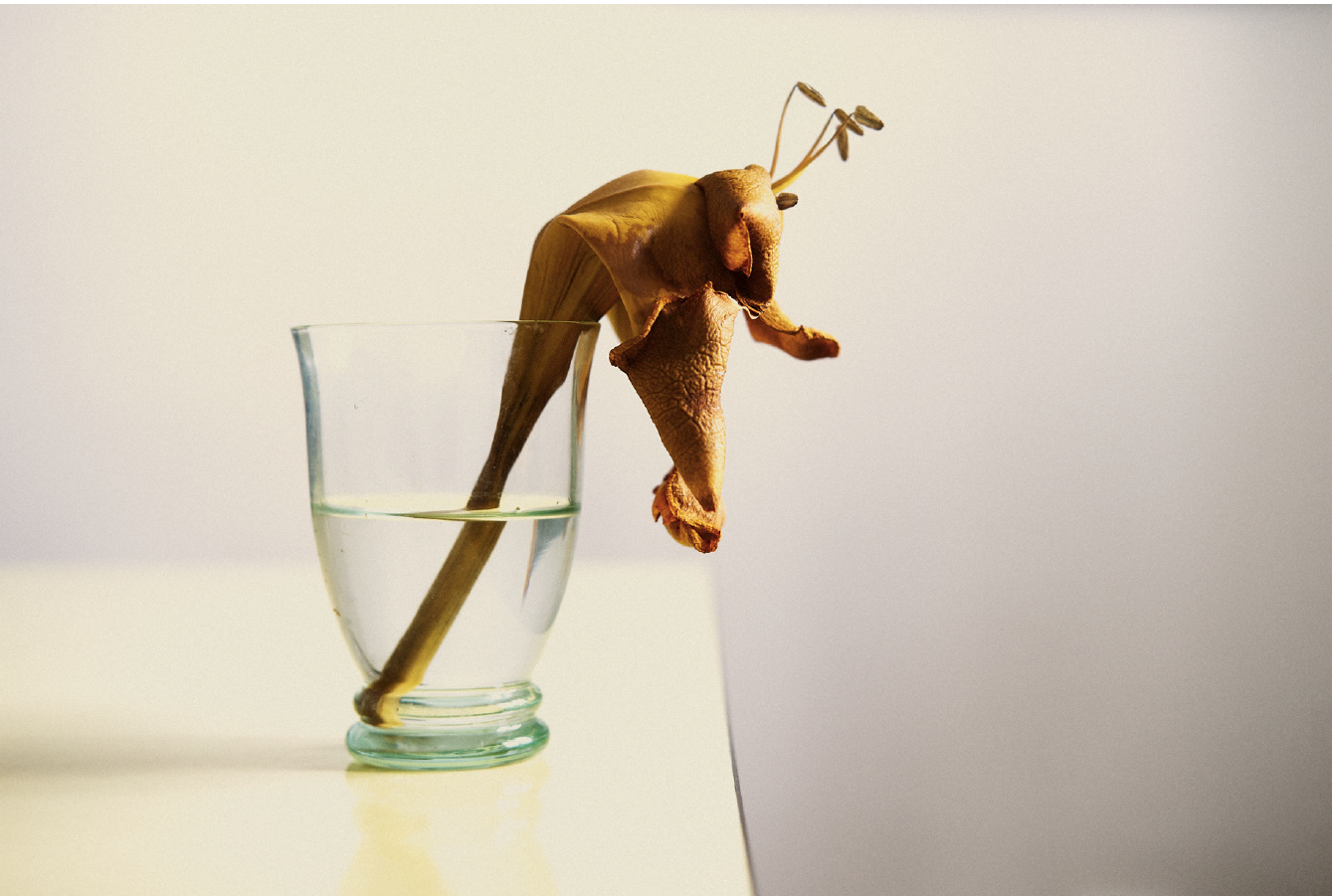
Daniel Blaufuks, O Regresso de Tânger (Solandra Grandiflora) II / The Return from Tangiers (Solandra Grandiflora) II, 2026. Inkjet print on paper. 100 x 150 x 3,5 cm. Ed. 3
Enquire
We are heirs to a modernity that has built a very particular tension between exile and home, between travel and the need for intimacy. In the case of art, and in particular of artists who incorporate the multiple effects of exile and travel into their work, the return is a contact with objects and spaces, the recreation of the world in the studio. Also with her back turned, another woman knows that, even when we arrive at a place, we can be expelled. She knows that the machines that rule the world do not like downtime or unproductive human beings. She knows that the violence of borders, in their multiple relationships with power and the law, is becoming ingrained in everyday gestures and words.
Somos herdeiros de uma modernidade que construiu uma tensão muito particular entre o exílio e o lar, entre a viagem e a necessidade de intimidade. No caso da arte, e em particular dos artistas que incorporam na sua produção os múltiplos efeitos do exílio e da viagem, o regresso é um contacto com objectos e espaços, a recriação do mundo no atelier. Também de costas, uma outra mulher sabe que, mesmo chegados a um lugar, podemos ser expulsos. Sabe que as máquinas que comandam o mundo não gostam de tempos mortos nem de seres humanos improdutivos. Sabe que a violência das fronteiras, nas suas múltiplas relações com o poder e a lei, estão a entranhar-se nos gestos e nas palavras do quotidiano.
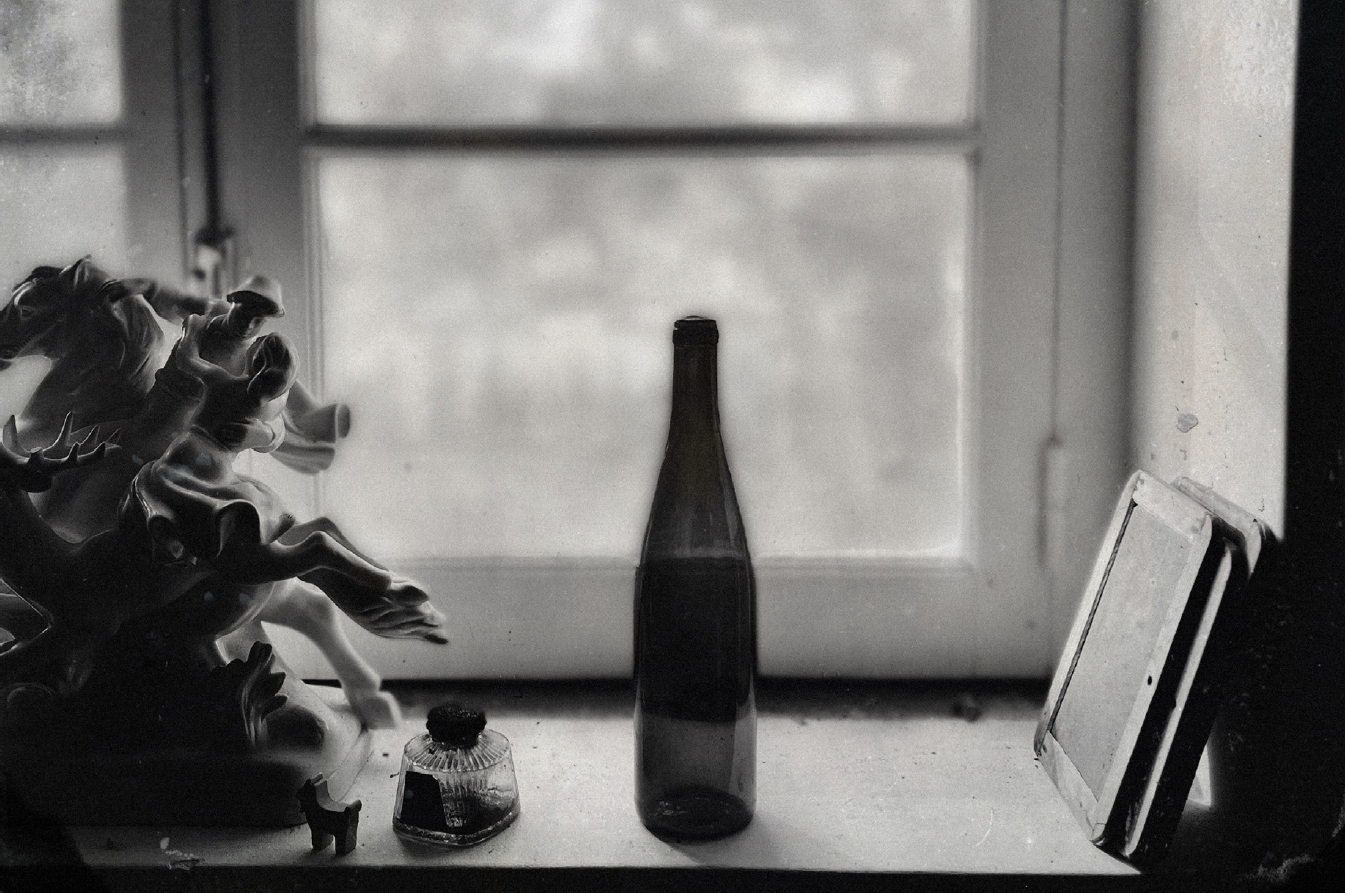
Daniel Blaufuks, O Passar dos Dias (no estúdio) / The Passing of Days (in the studio), 2026. Inkjet print on paper. 32 x 45 x 3,5 cm. Ed. 3
Enquire
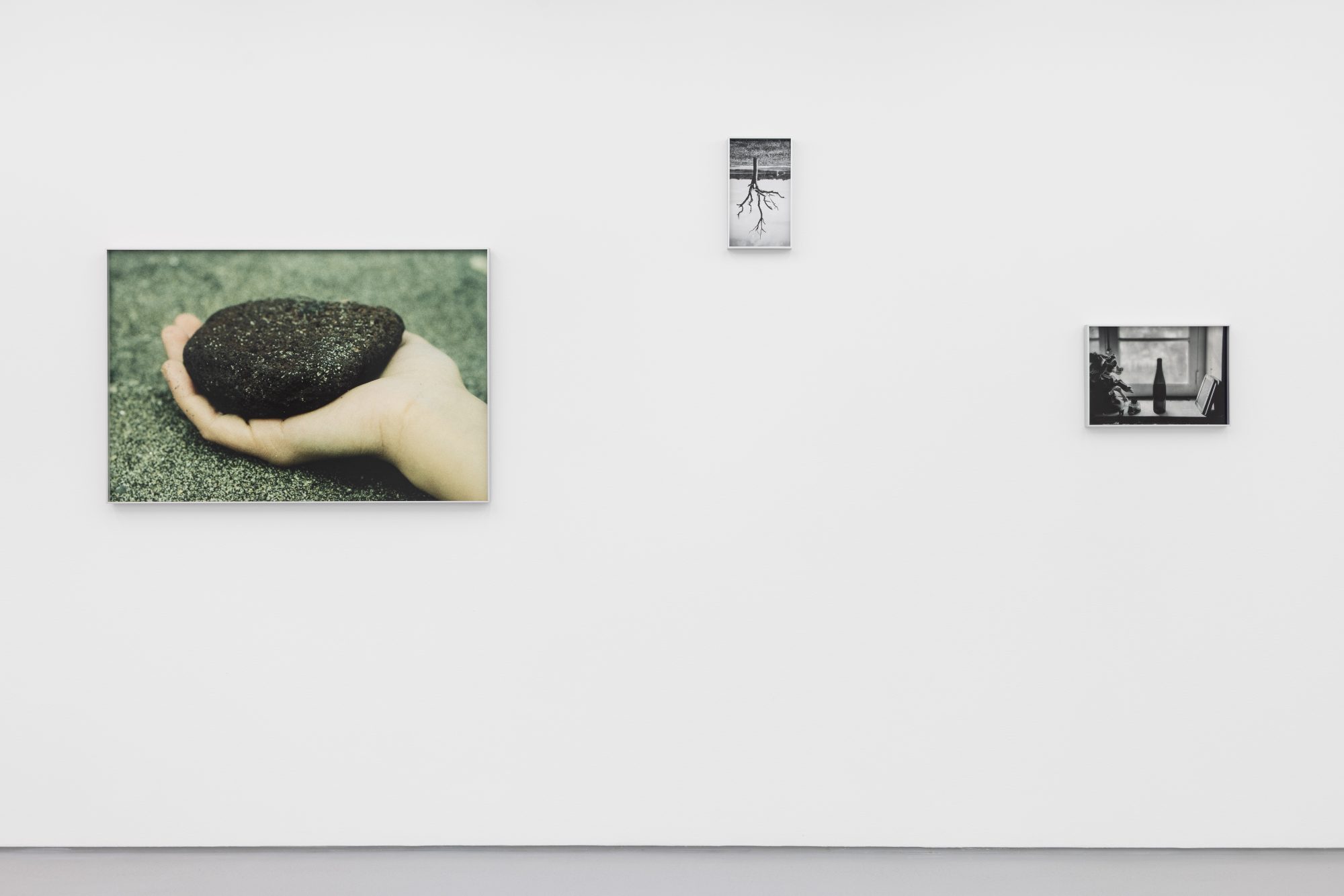
As a counterpoint to travel and migration, two images of trees speak to us of earth and rootedness. In their dual symbolic and material function, these normally vertical beings, often twisted by the work of the seasons, undergo symptomatic variations in this exhibition. Fallen into a swimming pool, a voluptuous tree suggests the earth’s inability to sustain its own. Waterlogged soils and abnormally strong winds are signs of the extremes heralded and progressively confirmed by climate change. A catastrophe image? Perhaps.
Como contraponto às viagens e às migrações, duas imagens com árvores falam-nos de terra e de enraizamento. Na sua dupla função simbólica e material, estes seres normalmente verticais, muitas vezes retorcidos pelo trabalho das estações, conhecem nesta exposição variações sintomáticas. Caída sobre uma piscina, uma árvore voluptuosa sugere a incapacidade da terra para suster os seus. Solos saturados de água e ventos anormalmente fortes são sinais dos extremos anunciados e progressivamente confirmados pelas alterações climáticas. Imagem-catástrofe? Talvez.
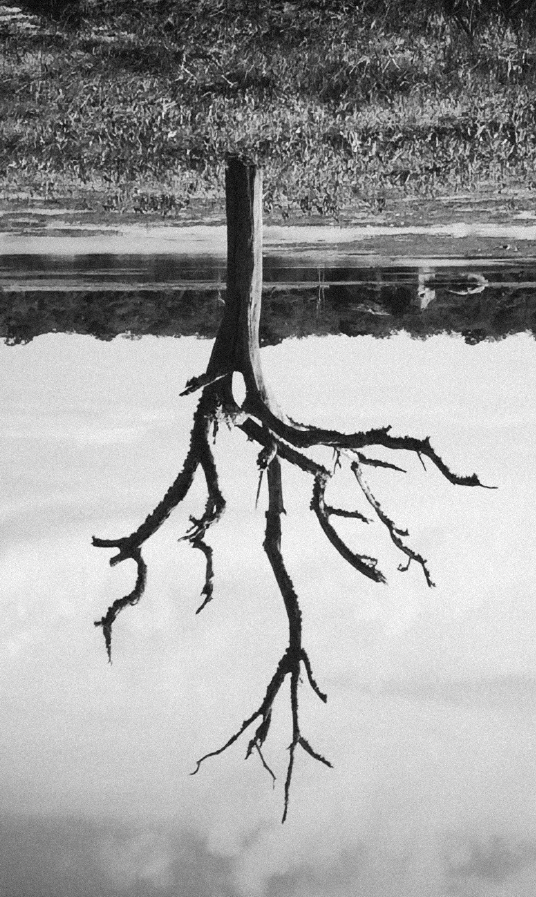
Daniel Blaufuks, A Raiz do Mundo /
The Root of the World, 2026. Inkjet print on paper. 35 x 20 x 3,5 cm. Ed. 3
Enquire
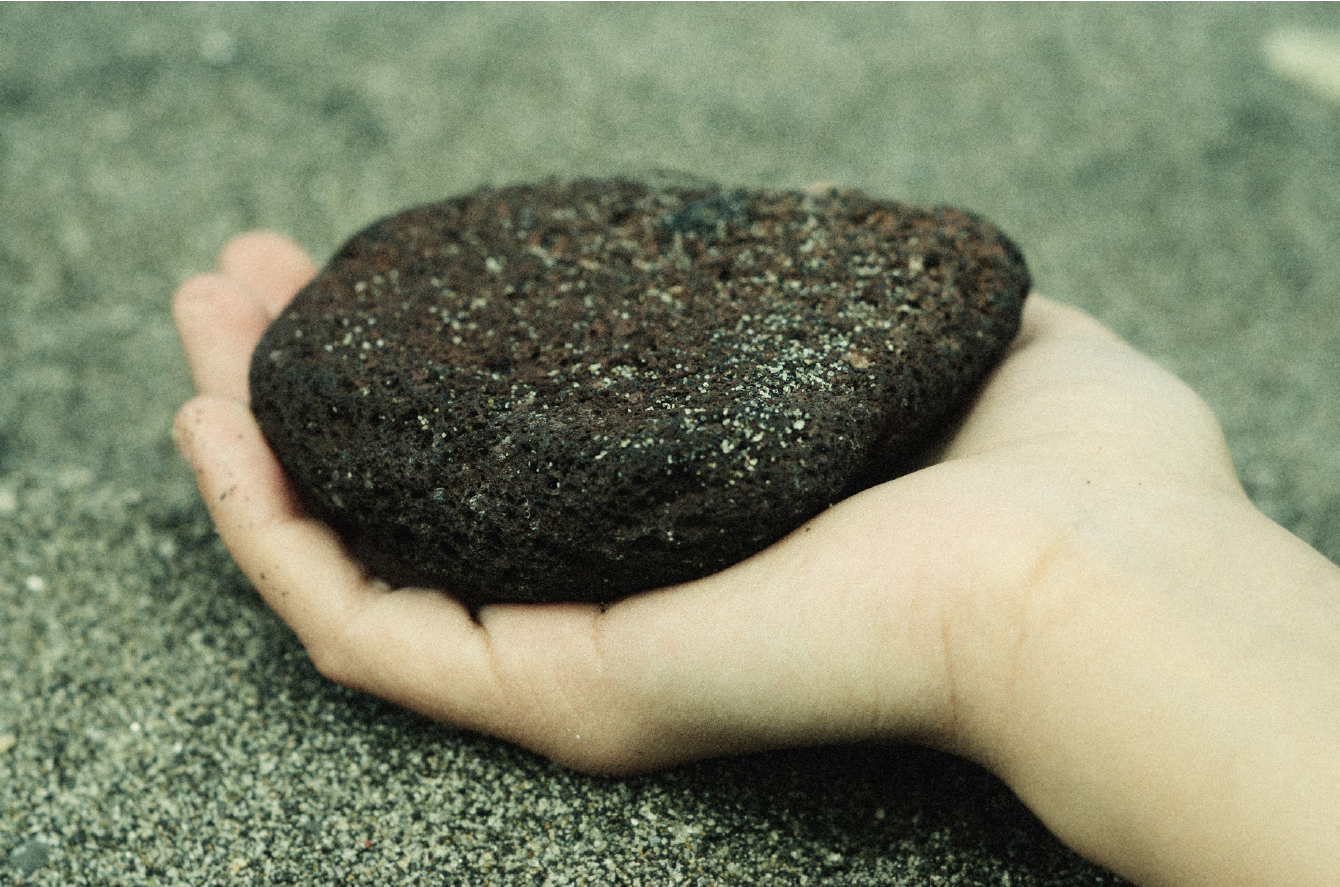
Daniel Blaufuks, (Ainda) à Espera de Godot / (Still) Waiting for Godot, 2026. Inkjet print on paper. 80 x 120 x 3,5 cm. Ed. 3
Enquire
Among the artistic and literary affinities that this exhibition establishes, another tree emerges as an evocation of Beckett’s play, which in its initial indications mentioned the existence of a leafless tree, next to which Vladimir and Estragon’s dialogues and waiting took place. Inverted, it creates other resonances. On the one hand, it dialogues with Rodney Graham’s gallery of inverted trees, in a game of mirrors that photographers know how to manipulate like no one else. On the other hand, the inversion ends up giving the bare branches, apparently devoid of life, an opportunity to take root.
No conjunto das afinidades artísticas e literárias que esta exposição vai estabelecendo, uma outra árvore desponta como uma evocação da peça de Beckett, que nas suas indicações iniciais mencionava a existência de uma árvore, sem folhas, junto da qual decorriam os diálogos e a espera de Vladimir e Estragon. Invertida, ela cria outras ressonâncias. Por um lado, dialoga com a galeria de árvores invertidas de Rodney Graham, num jogo de espelhos que os fotógrafos sabem manipular como ninguém. Por outro lado, a inversão acaba por dar aos ramos despidos, aparentemente desprovidos de vida, uma oportunidade de enraizamento.
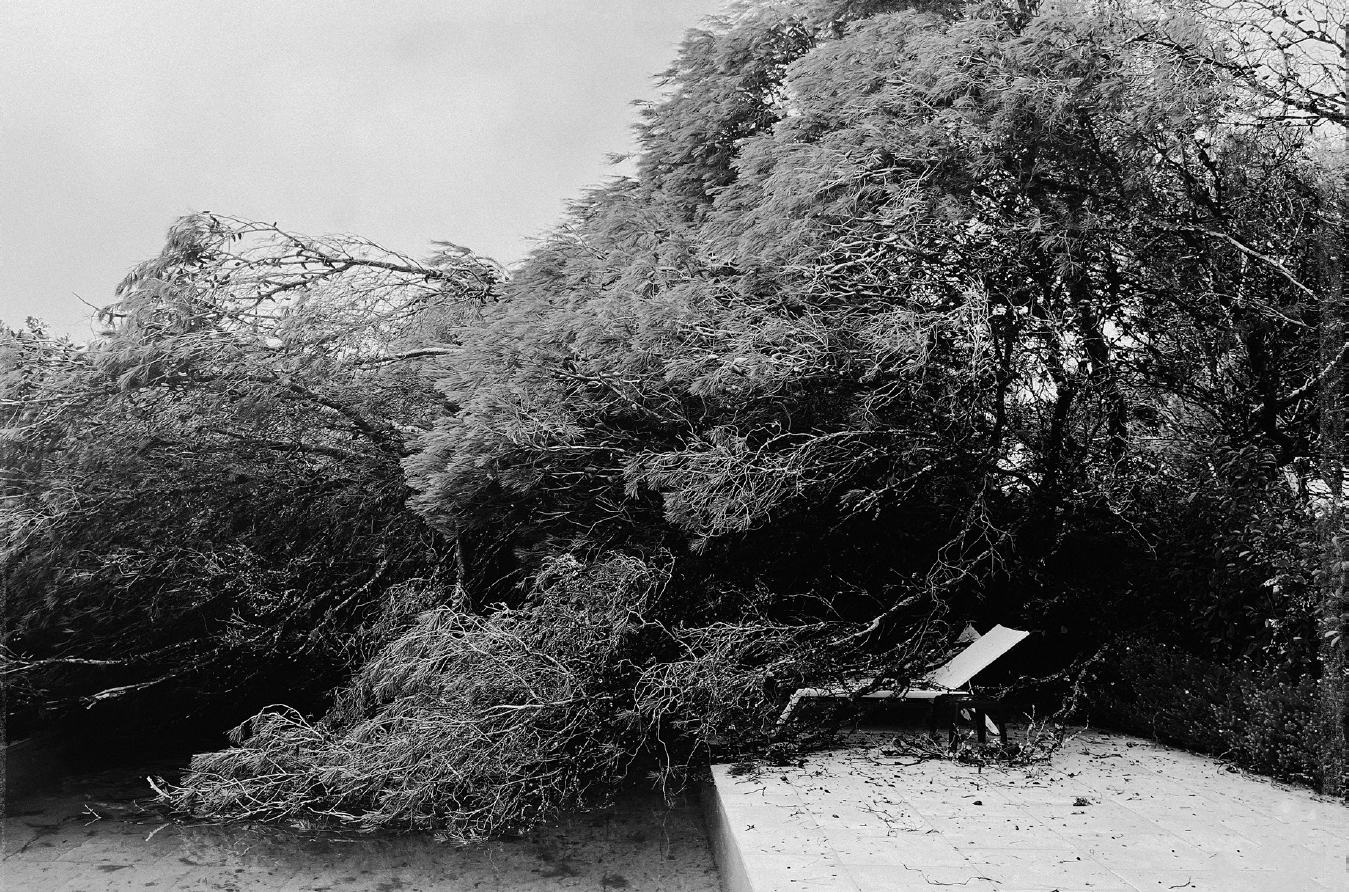
Daniel Blaufuks, A Árvore que Perdeu a sua Raiz /The Tree that Lost its Roots, 2026. Inkjet print on paper. 45 x 60 x 3,5 cm. Ed. 3
Enquire
In the geological and historical spectrum of the exhibition, we subtly find, somewhere between the suspended and monumental time of ancient ruins and the uncontemplative time of the sharp teeth of a quarry, the slowness of stones and gestures, a hand fallen in the sand. Mineral and human porosity. The stone shapes the hand in the frame of sedimented times that all photography is. A decisive image that reminds us that waiting is also a form of welcoming.
No espectro geológico e histórico da exposição, encontramos subtilmente, algures entre o tempo suspenso e monumental das ruínas da antiguidade e o tempo sem contemplações dos dentes aguçados de uma pedreira, a lentidão das pedras e dos gestos, uma mão tombada na areia. Porosidade mineral e humana. A pedra molda a mão na moldura de tempos sedimentados que toda a fotografia é. Imagem decisiva que nos recorda que ainda estar à espera é também uma forma de acolhimento.
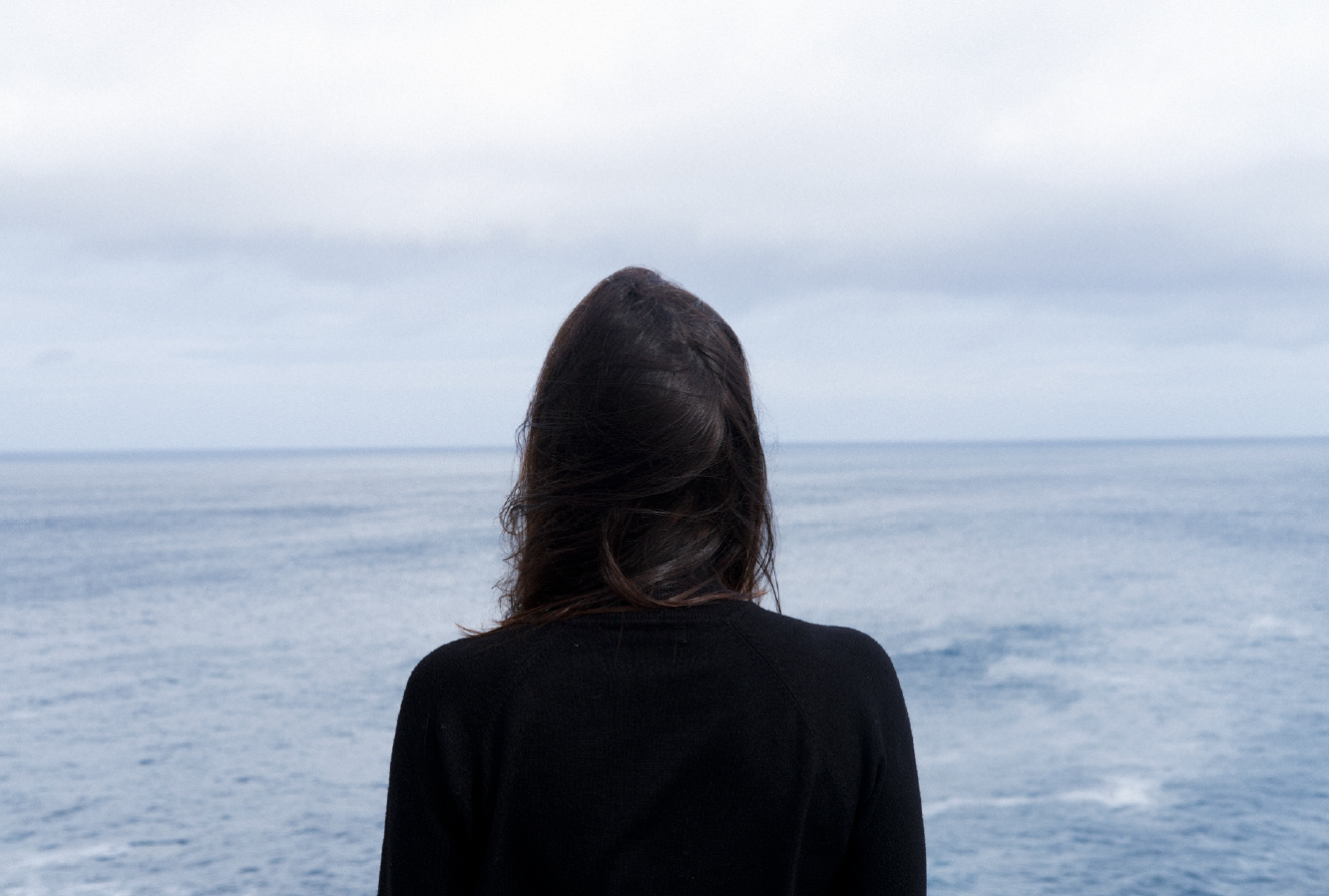
Daniel Blaufuks, Mulher contemplando o Mar I / Woman Contemplating the Sea I, 2026. Inkjet print on paper. 80 x 120 x 3,5 cm. Ed. 3
Enquire
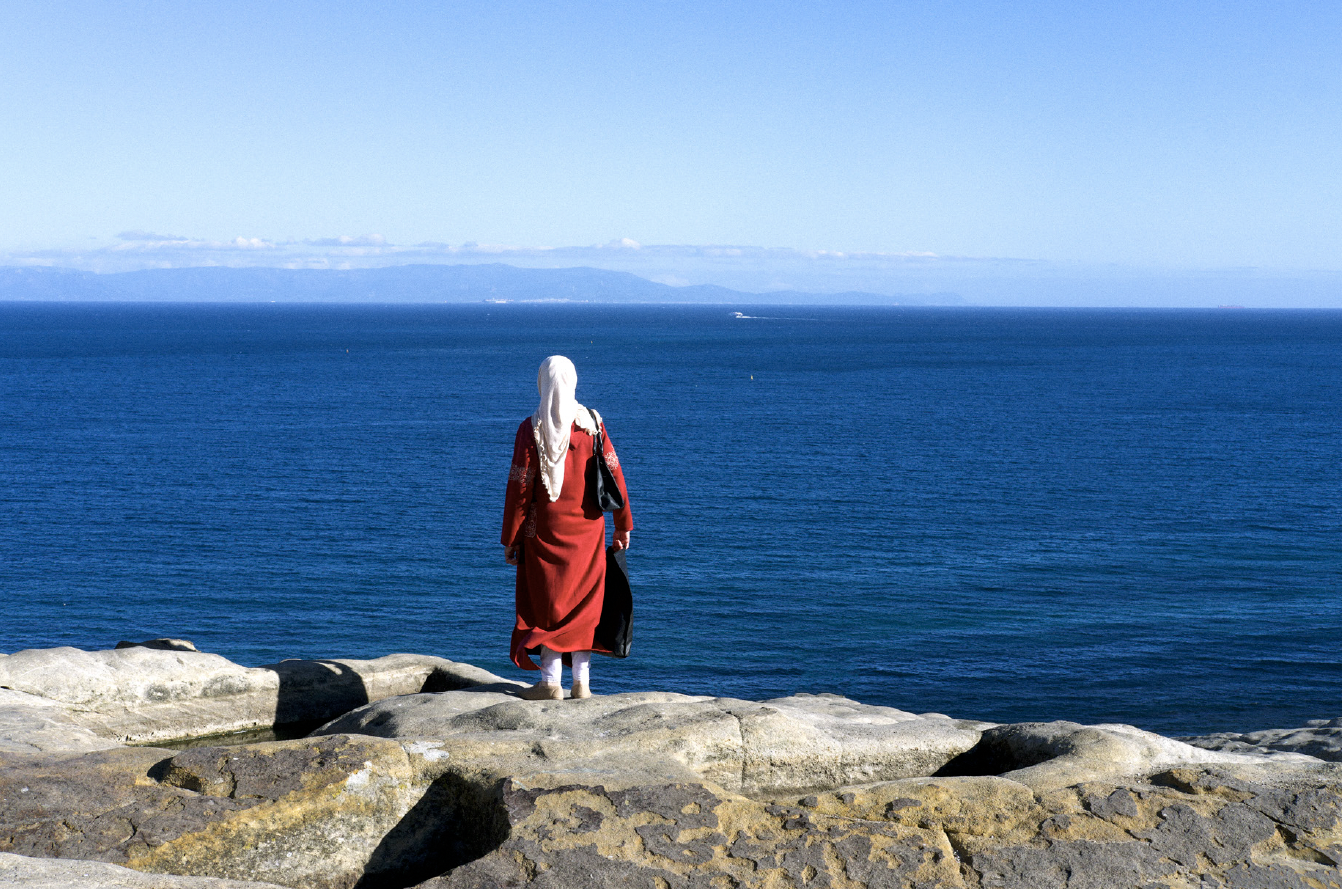
Daniel Blaufuks, Mulher contemplando o Mar II / Woman Contemplating the Sea II, 2026. Inkjet print on paper. 80 x 120 x 3,5 cm. Ed. 3
Enquire
The tension between opacity and transparency, which runs through Daniel Blaufuks’ work and covers a wide range of topics, from variations in light to the recreation of historical memory, including a deep dive into intimacy and everyday life, finds a motif of choice in windows. A window can be a threshold, but it can also be a place of reflection that pushes us inward, toward the objects that, like habits, define who
we are and what we seek. When the outside world is unbearable and we cannot find the keys, we must stay at home. When we do not know what to do, boredom may be the best solution. The changing light with which photographers exercise their gaze defines the appropriate times for action.
A tensão entre opacidade e transparência, que atravessa o trabalho de Daniel Blaufuks e nele percorre um amplo arco que vai desde as variações da luz à recriação da memória histórica, passando pelo mergulho na intimidade e no quotidiano, encontra nas janelas um motivo de eleição. Uma janela pode ser um limiar, mas pode também ser um lugar de reflexão que nos empurra para dentro, para os objectos que, como os hábitos, definem o que somos e o que procuramos. Quando o lá fora é insuportável e não encontramos as chaves, é em casa que devemos ficar. Quando não sabemos o que fazer, o tédio pode ser a melhor solução. Os cambiantes da luz com os quais os fotógrafos exercitam o seu olhar definem as horas apropriadas para a acção.
We can glimpse, welcome, listen to, and imagine all of this, or perhaps we must wait and pay attention. Again. As an antechamber, as a waiting room that is also a workshop of times, thoughts, and affections, these images stage the endless struggle between dispersion — in the extreme, transience — of all things and collection, to rescue from them a tenuous and delicate promise, petals thrown into an uncertain
present. It is perhaps the most ostentatious counterpoint of the exhibition, but one that is still far from leading to an easy resolution: if the extraction of large blocks of stone plays with a title that presents us with a radical disjunction, capitalism or the end of civilization, the collection and arrangement of petals from two gardens, that of artist Ana Vieira and that of Calouste Gulbenkian, plays with the desire to preserve and with a paradoxical sacrifice of the flower for the sake of human gesture. The enumeration
of elements is not transparent; it has translucent areas, sometimes obscure.
Podemos vislumbrar, acolher, escutar e imaginar tudo isto, ou talvez tenhamos de esperar e prestar atenção. De novo. Como antecâmara, como sala de espera que é também uma oficina de tempos, pensamentos e afectos, estas imagens encenam a luta infinita entre a dispersão – no limite, a transitoriedade – de todas as coisas e a colecção, para delas resgatar uma ténue e delicada promessa, pétalas lançadas a um presente incerto. É talvez o contraponto mais ostensivo da exposição, mas que ainda assim está longe de conduzir a uma resolução fácil: se a extração dos grandes blocos de pedra joga com um título que nos apresenta uma disjunção radical, capitalismo ou fim da civilização, já a recolha e a disposição das pétalas de dois jardins, o da artista Ana Vieira e o de Calouste Gulbenkian, joga com o desejo de preservar e com um paradoxal sacrífico da flor em prol do gesto humano. A enumeração dos elementos não é transparente, tem zonas translúcidas, por vezes obscuras.
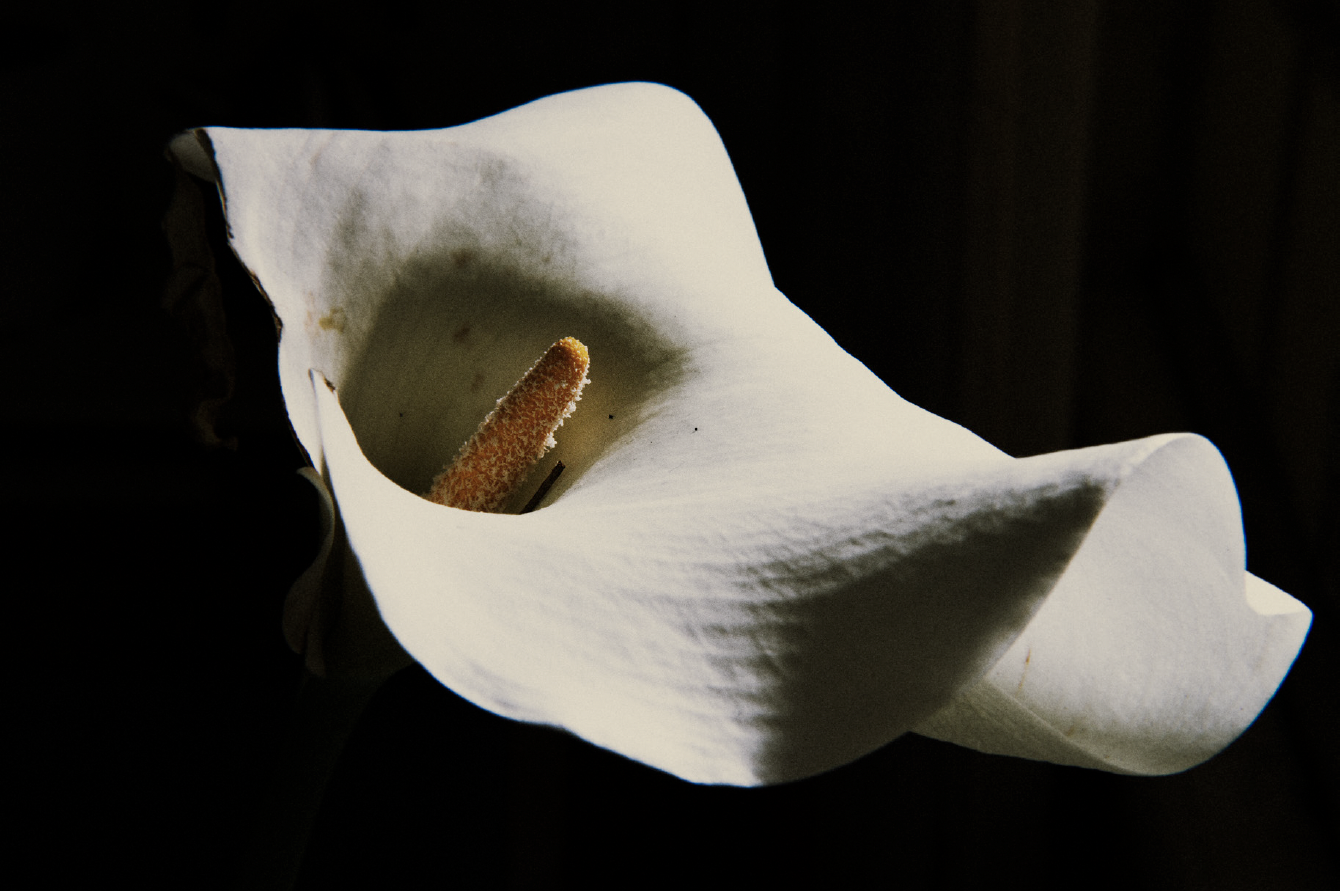
Daniel Blaufuks, O Início do Desejo (Jarro) / The Beginning of Desire (Calla), 2026. Inkjet print on paper. 40 x 60 x 3,5 cm. Ed. 3
Enquire
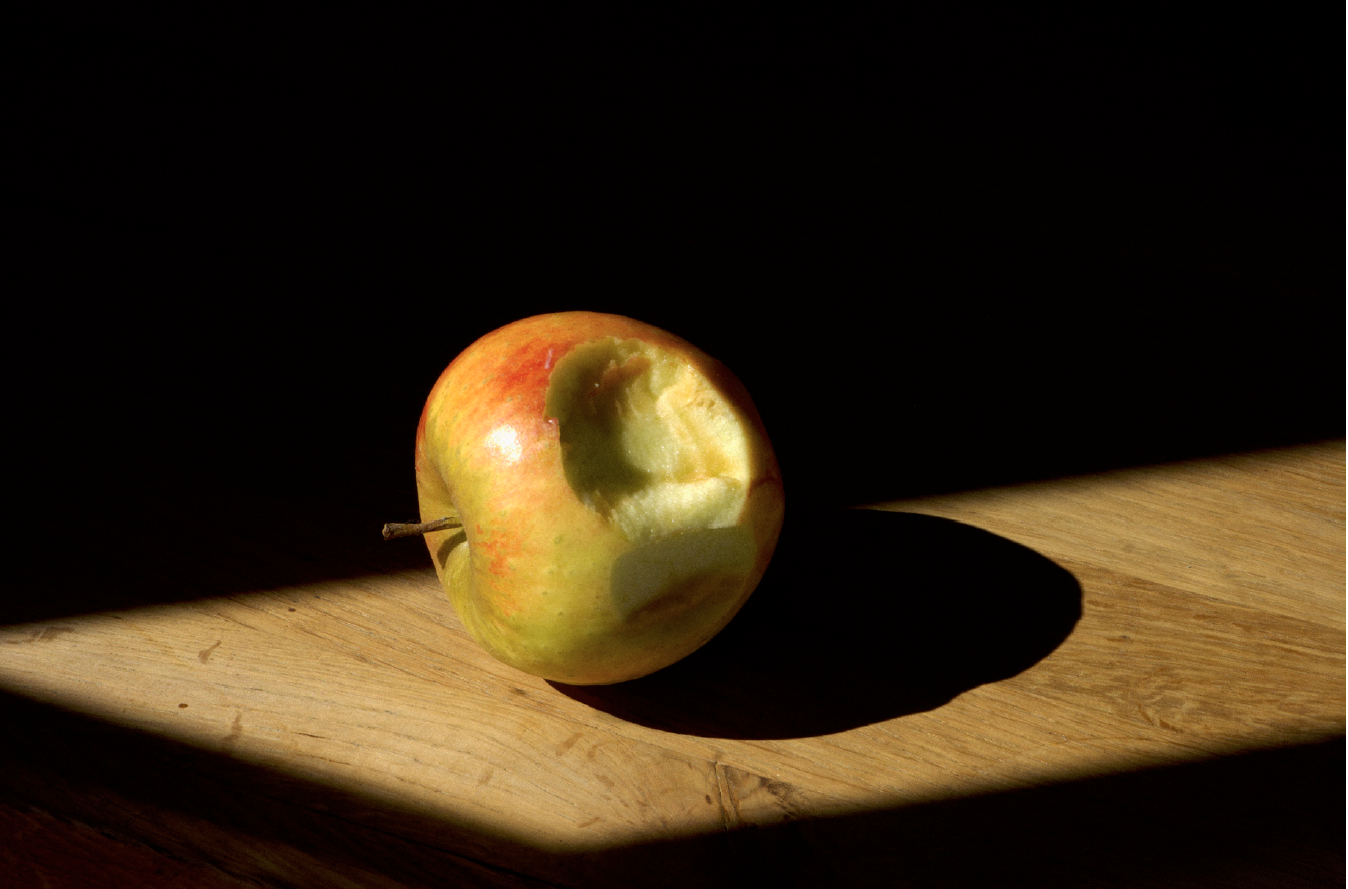
Daniel Blaufuks, O Início do Desejo (Maçã) / The Beginning of Desire (Apple), 2026. Inkjet print on paper. 70 x 105 x 3,5 cm. Ed. 3
Enquire
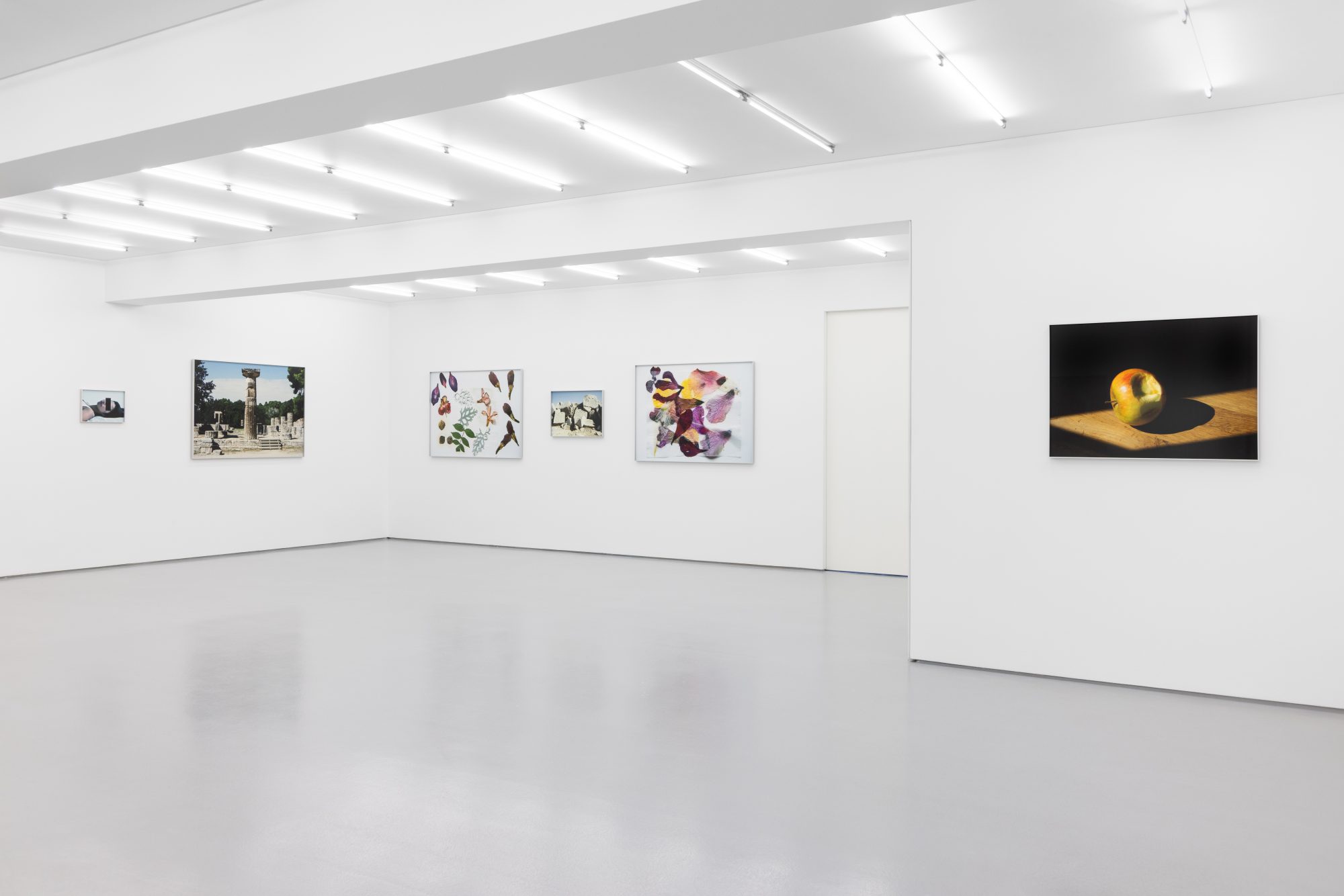
Daniel Blaufuks has been exploring the tension between opacity and transparency, a theme that runs across the work and spans a broad spectrum — from variations in light to the recreation of historical memory and the very construction of time — through an idea of intimacy and everyday life. Questioning the role of the photographic image within the context of the pictorial flow in an increasingly digital world, he relies primarily on photography, video, and more recently collage.
In 2016, he received the AICA Award for the exhibitions Tentativa de Esgotamento and Léxico. He holds a PhD from the University of Wales, with a thesis on photography and memory in relation to the works of W. G. Sebald and Georges Perec. His films — expanded photographs — have been presented at various film festivals, and his most recent works explore the resistance to the German occupation in Brittany and colonialism in São Tomé and Príncipe, while continuing his non-diary the days are numbered.
Blaufuks’s work has been exhibited at institutions such as the Calouste Gulbenkian Foundation (Lisbon), the Eugène Delacroix Museum (Paris), the Serralves Museum (Porto), and MAAT (Lisbon), among others. His work is included in various public and private collections, notably the Calouste Gulbenkian Collection (Lisbon), the Contemporary Art Collection – Lisboa Cultura, the PLMJ Collection (Lisbon), the EDP Foundation Collection (Lisbon), MACAM (Lisbon), the Jan Michalski Foundation (Montricher), the New York Public Library (New York), Palazzo delle Papesse (Siena), Sagamore Art Collection (Miami), The Progressive Collection (Ohio), Vasco Collection (Lisbon), Portuguese Center of Photography (Porto), Center for Visual Arts (Coimbra).
Daniel Blaufuks tem trabalhado a tensão entre opacidade e transparência, que atravessa o seu trabalho e nele percorre um amplo arco que vai desde as variações da luz à recriação da memória histórica e da própria construção do tempo, através de uma ideia de intimidade e de quotidiano. Questionando igualmente o papel da imagem fotográfica no contexto do fluxo pictórico num mundo cada vez mais digital, recorre principalmente à fotografia, vídeo, e mais recentemente à colagem.
Em 2016, recebeu o prémio AICA pelas exposições Tentativa de Esgotamento e Léxico. É doutorado pela University of Wales, com uma tese sobre fotografia e memória em relação com as obras de W. G. Sebald e Georges Perec. Os seus filmes – “fotografias expandidas” – têm sido apresentados em diversos festivais de cinema e os seus trabalhos mais recentes estudam a resistência à ocupação alemã na Bretanha, o colonialismo em São Tomé e Príncipe, continuando o seu não-diário os dias estão numerados.
A obra de Blaufuks tem sido apresentada em instituições como a Fundação Calouste Gulbenkian (Lisboa), o Museu Eugéne Delacroix (Paris), Museu de Serralves (Porto), MAAT (Lisboa), entre outras. O seu trabalho integra diversas coleções do domínio públicas e privadas, entre as quais se destacam a Coleção Calouste Gulbenkian (Lisboa), Coleção de Arte Contemporânea – Lisboa Cultura, Coleção PLMJ (Lisboa), Coleção Fundação EDP (Lisboa), MACAM (Lisboa), a Fundação Jan Michalski (Montricher), a New York Public Library (Nova Iorque), Palazzo delle Papesse (Siena), Sagamore Art Collection (Miami), The Progressive Collection (Ohio), Vasco Collection (Lisboa), Centro Português de Fotografia (Porto), Centro de Artes Visuais (Coimbra).